Introduction
Continuing from the first four days in PART 2, we packed our bags early on the fifth day and said goodbye to Mansuirou, where we had stayed for three nights. Our main plan for today was to head to Yonago Kitaro.
You can also watch the video directly!
Day 5: Daisen Pasture → Mizuki Shigeru Museum → Kitaro Airport → Washington Hotel
After checking out of Mansuirou, the staff not only helped carry our luggage to the outer parking lot but also watched us drive out of the garage. The Japanese level of service truly is impeccable.
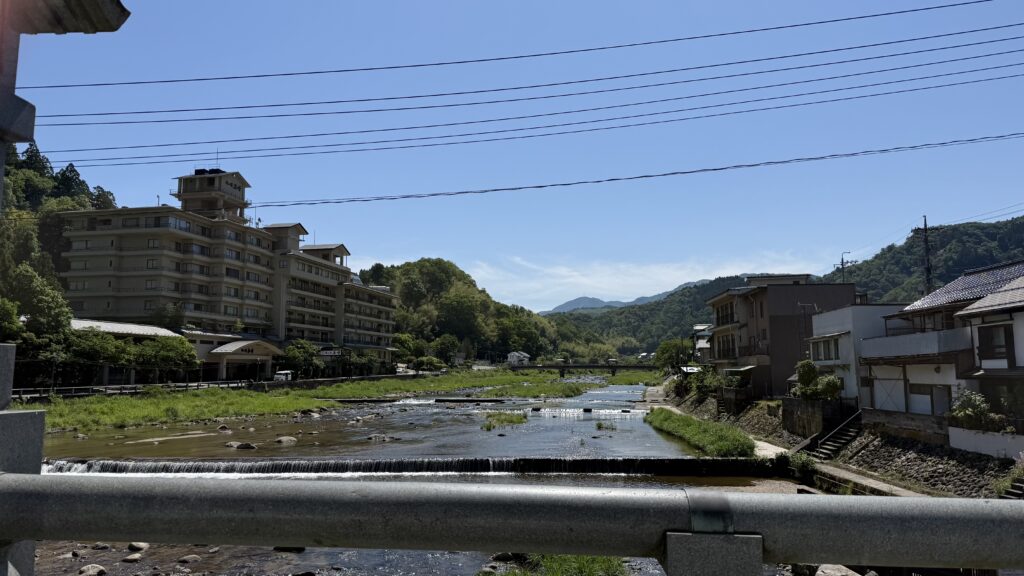
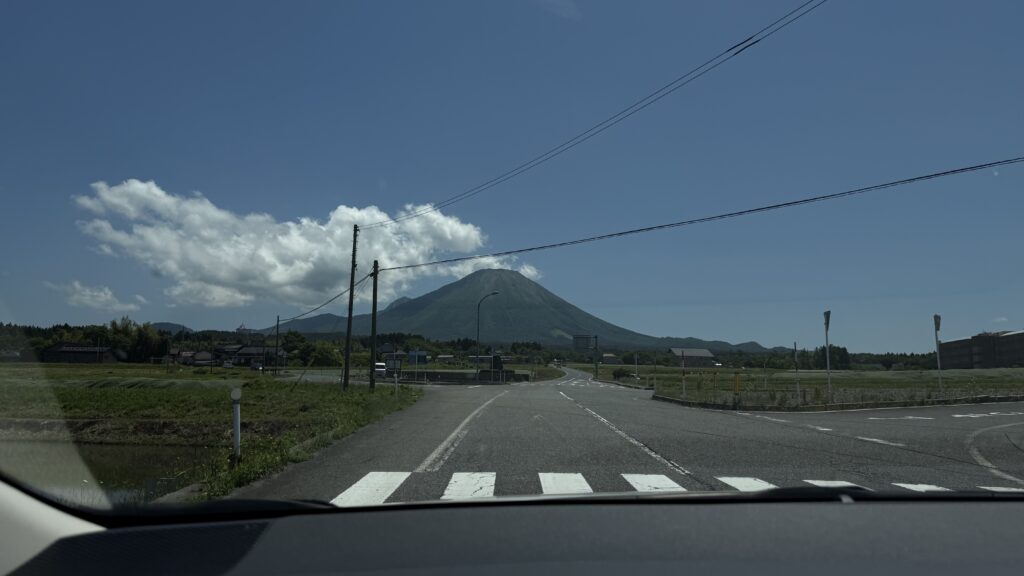
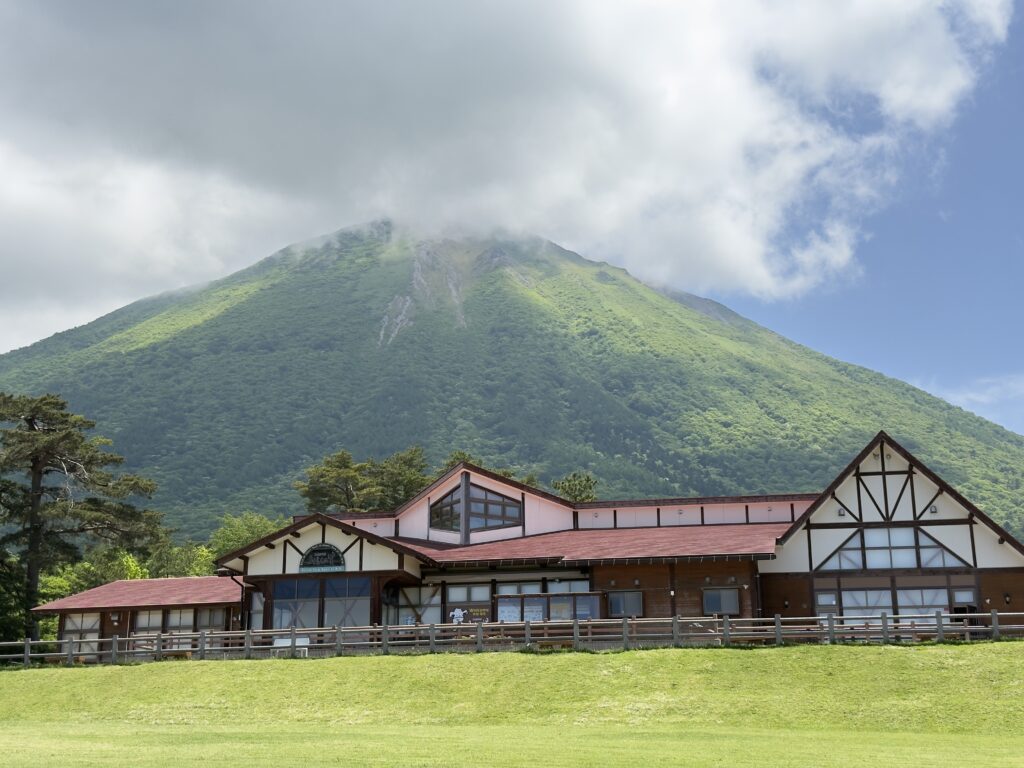
Driving past Misasa Bridge, we looked towards the mountains, and seeing that the weather had finally cleared up, we decided to head to Daisen Pasture to enjoy the scenery.
The main purpose of visiting Daisen Pasture is usually for the scenery and the soft-serve ice cream, but unfortunately, it was closed that day so we couldn’t taste it. Nevertheless, the scenery was still breathtaking.
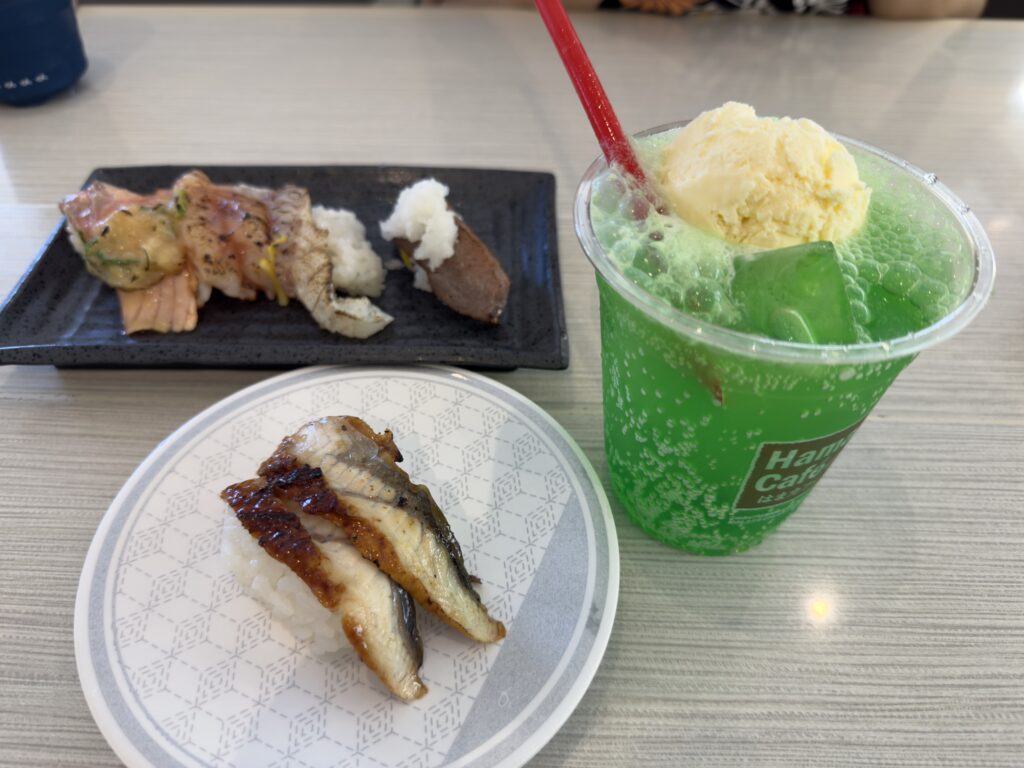
After taking photos, we went to Hama-Sushi for conveyor belt sushi. However, you actually can’t see the sushi moving on the belt; you can only order via a screen, and the dishes are delivered via the belt. I found this restaurant to be both affordable and delicious.
After eating, we drove toward the Mizuki Shigeru Museum. When approaching Kitaro Airport, we drove across a Melody Road. You can find it on Google Maps by searching for “Melody Road – GeGeGe no Kitaro.” This is a type of road that plays music when cars drive over it at a certain speed. It made a distinctive sound, but I couldn’t quite make out the tune.
I’ve included the video so everyone can have a listen—it starts around the 24-second mark.
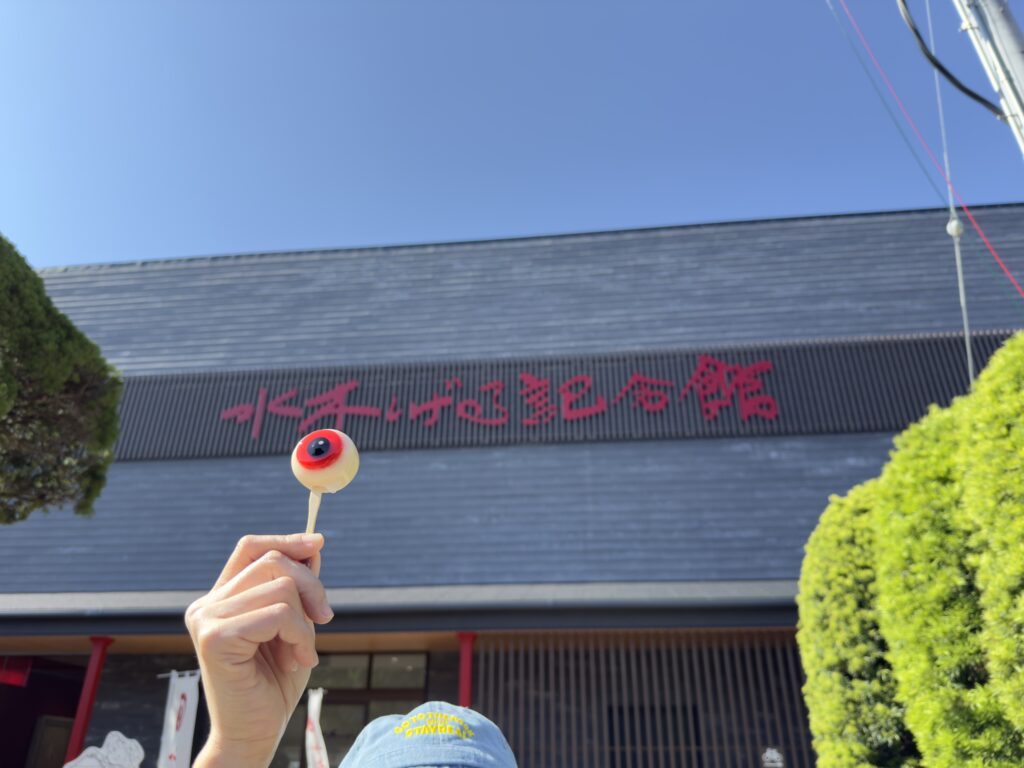
Next, we arrived at the Mizuki Shigeru Museum, located in Sakaiminato City, Tottori Prefecture, Japan. The museum was established to honor the famous Japanese cartoonist and creator of GeGeGe no Kitaro, Mr. Shigeru Mizuki. Sakaiminato City is Mizuki Shigeru’s hometown, and the entire city is filled with a yōkai atmosphere, jointly forming the famous “Mizuki Shigeru Road.”
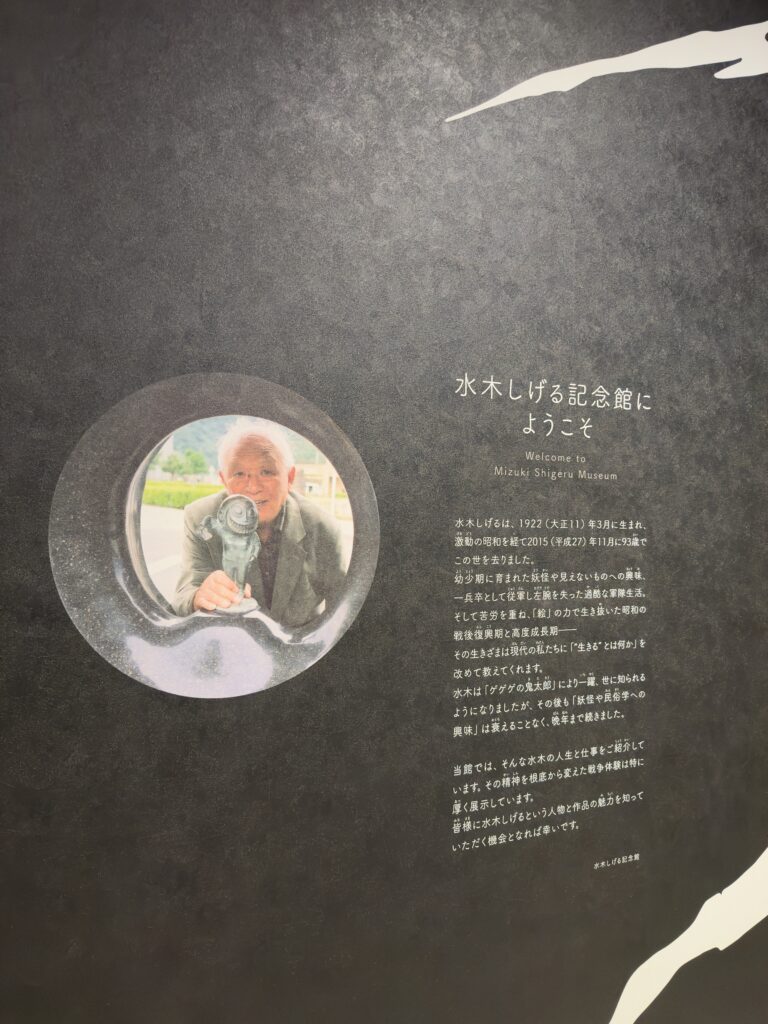
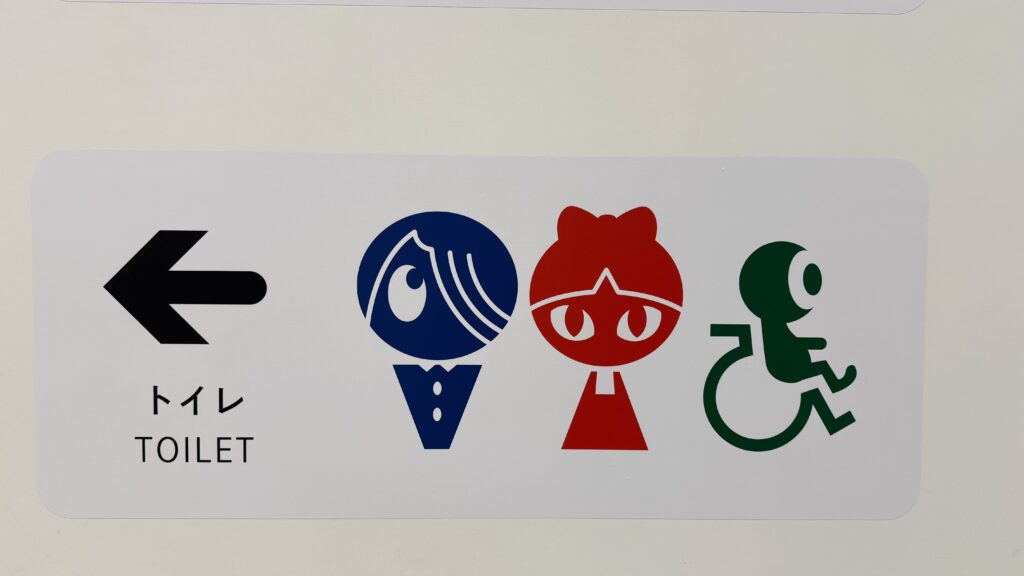
The themes within the Mizuki Shigeru Museum can generally be divided into five sections: “Shigeru Mizuki as a Boy in Sakaiminato,” “Shigeru Mizuki and the War,” “Post-War Era and the Cartoonist,” “Shigeru Mizuki and the Monsters,” and “Shigeru Mizuki’s Manga World.”
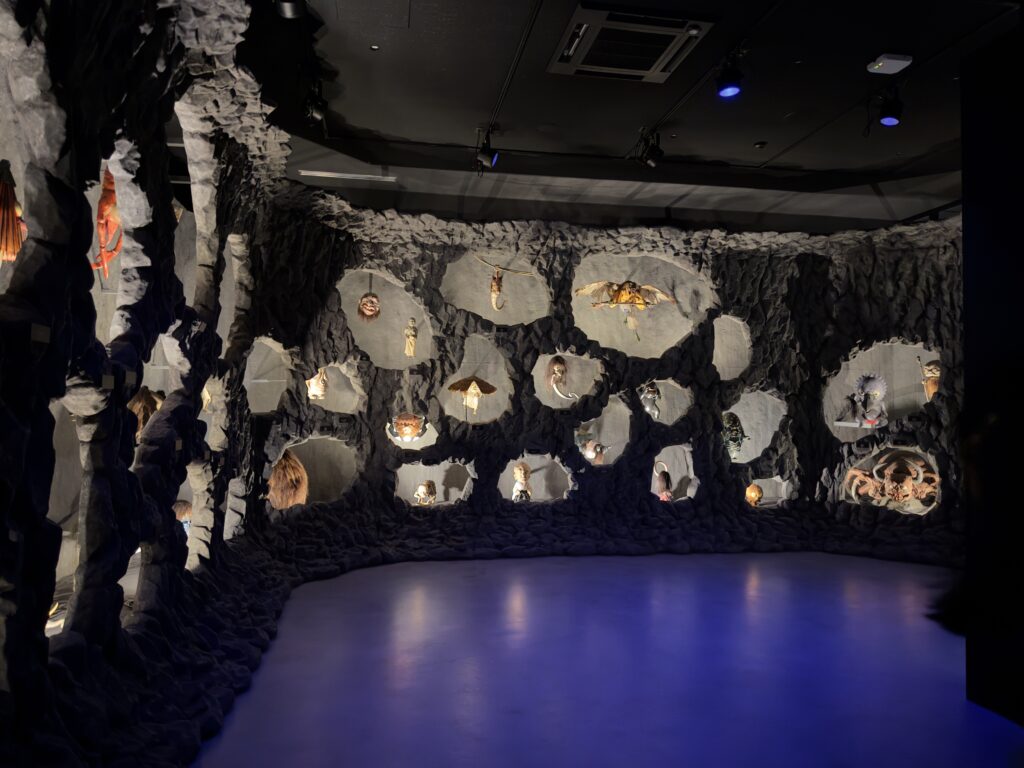
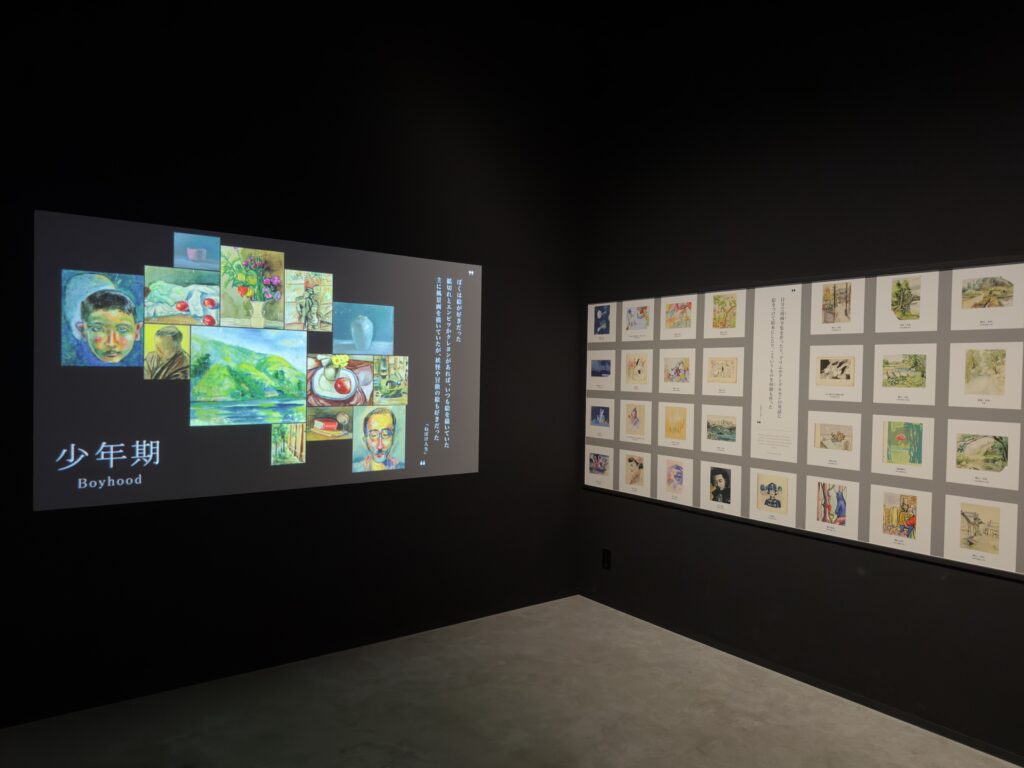
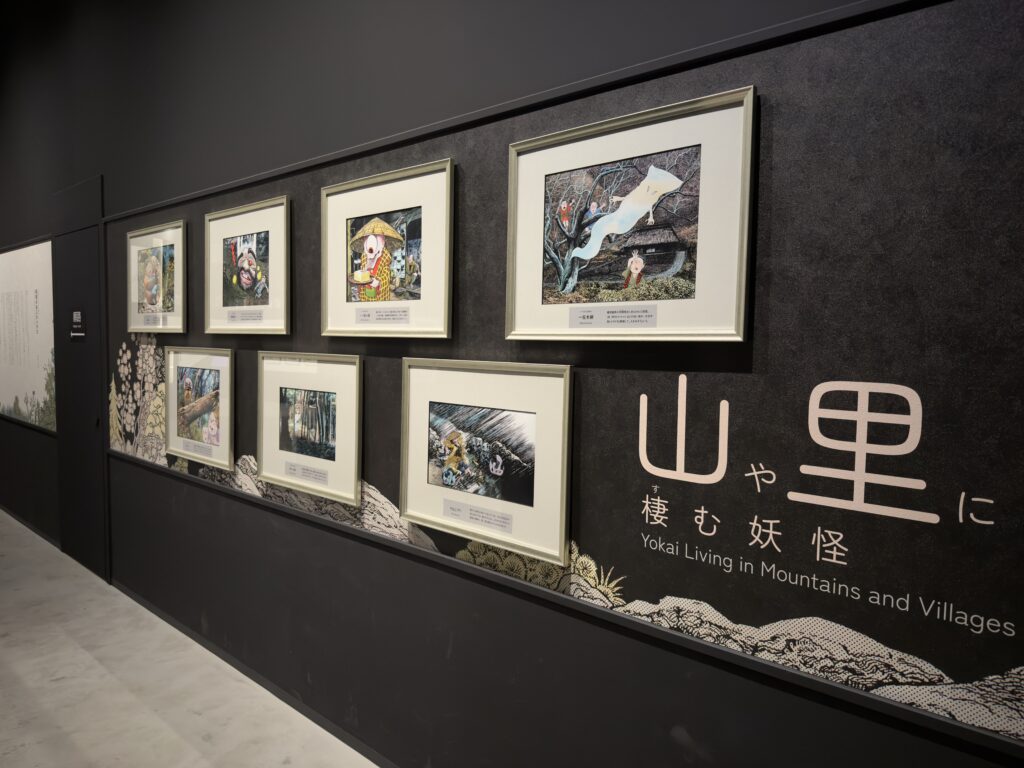
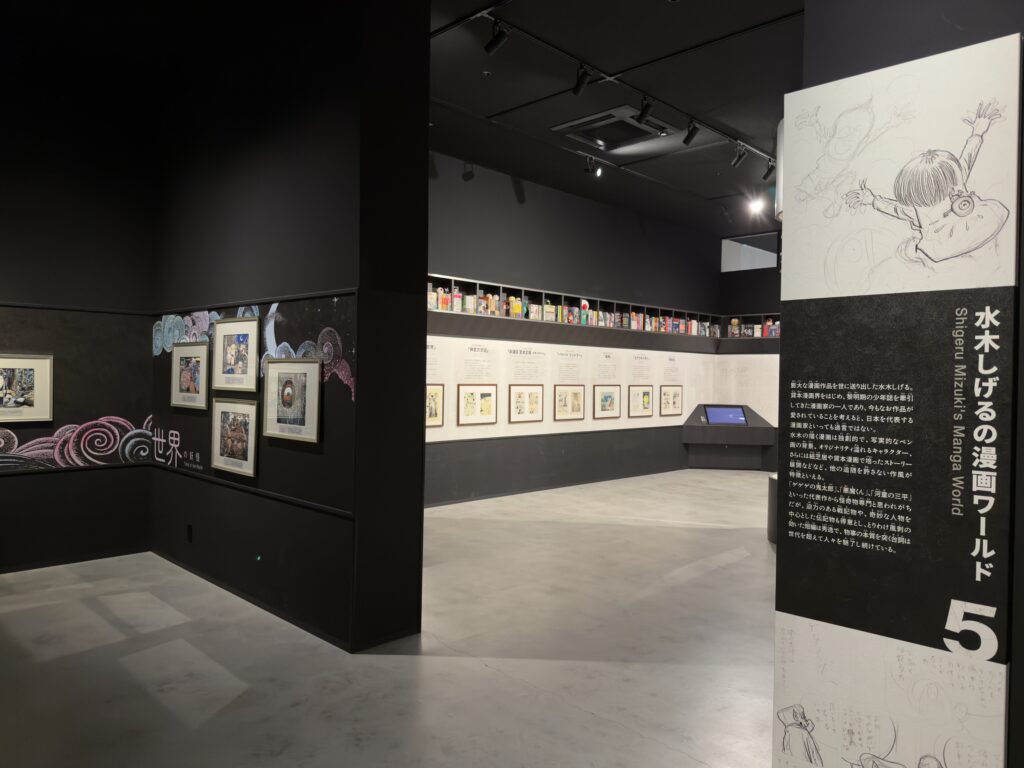
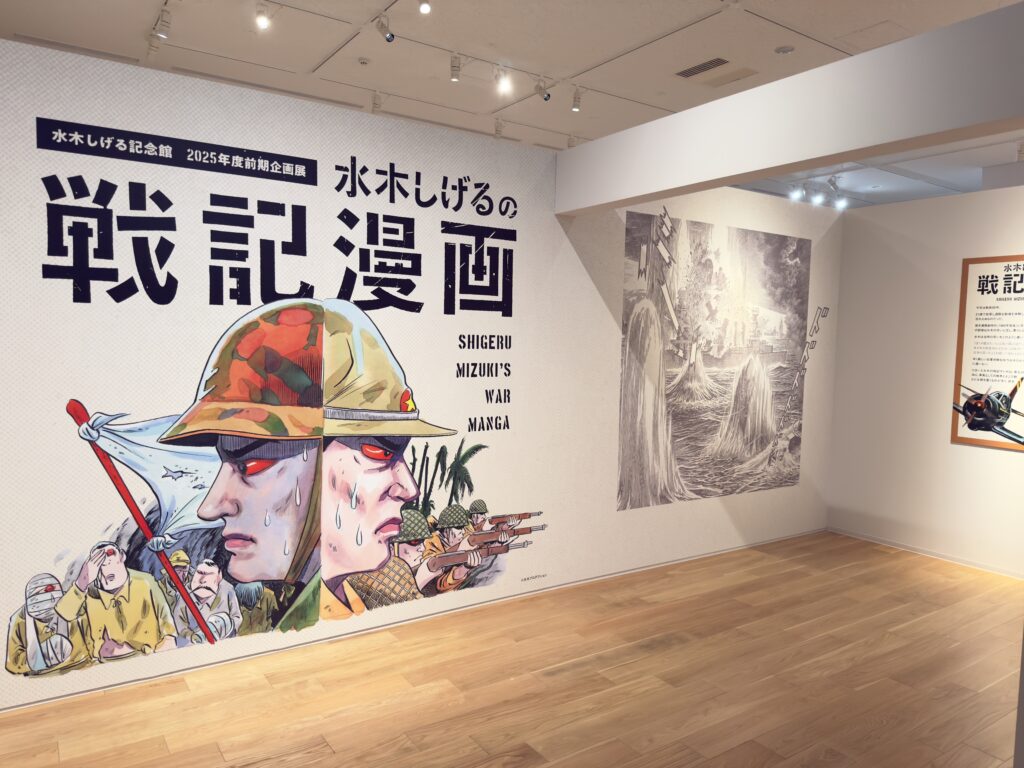
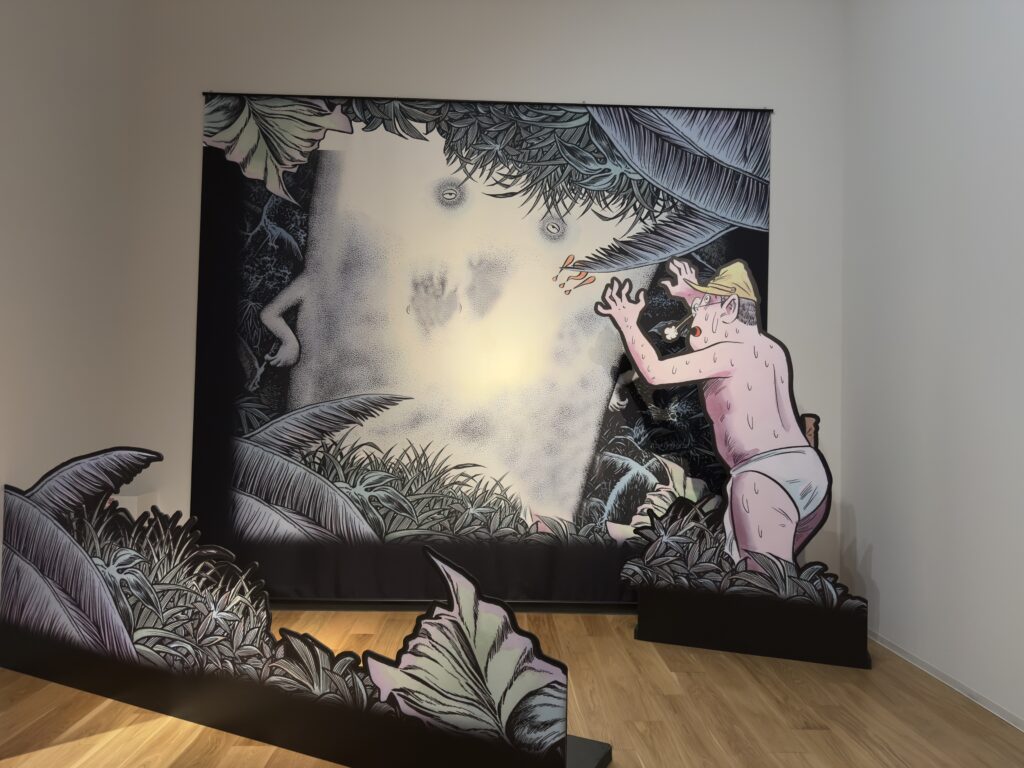
After learning about Shigeru Mizuki’s dramatic life, we left the museum and walked along Mizuki Shigeru Road toward Sakaiminato Station. The street is saturated with a strong yōkai atmosphere, featuring mostly Kitaro-themed shops. Along both sides of the road, there are as many as 177 bronze yōkai statues, allowing you to search for your favorite characters and take photos with them.
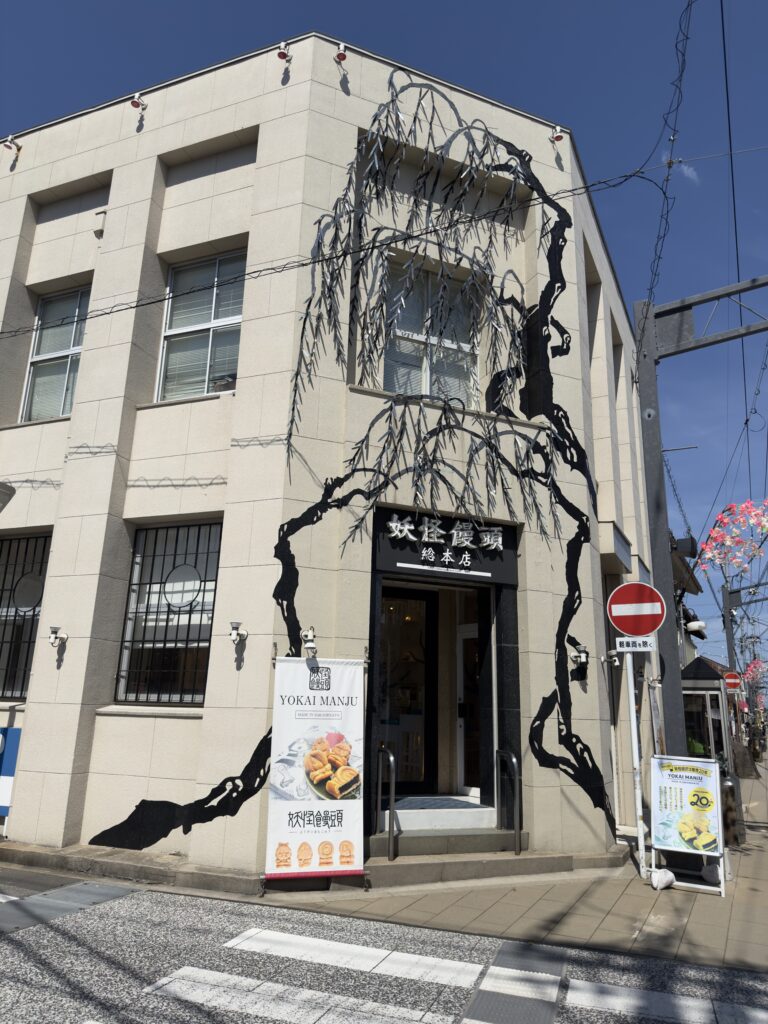
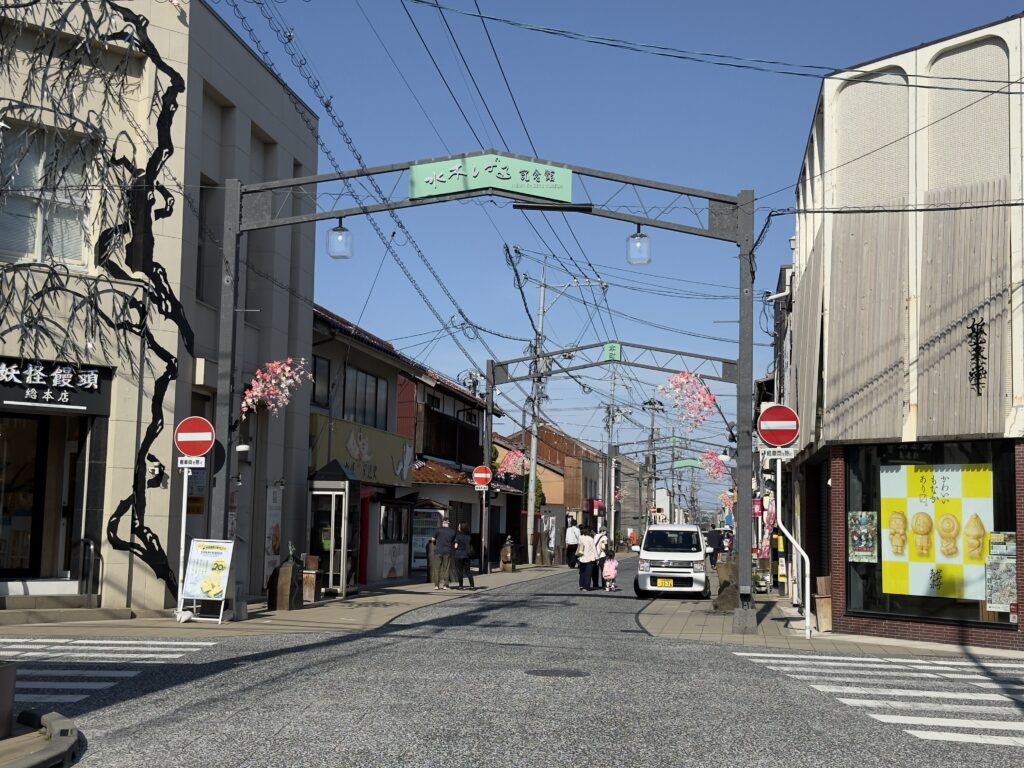
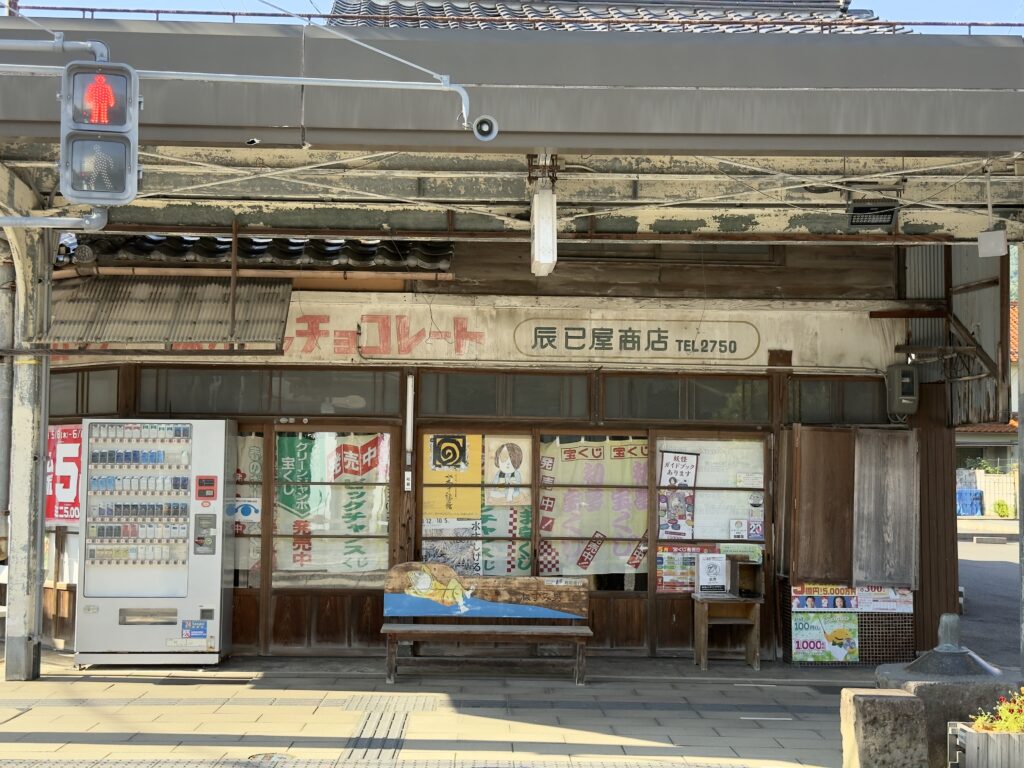
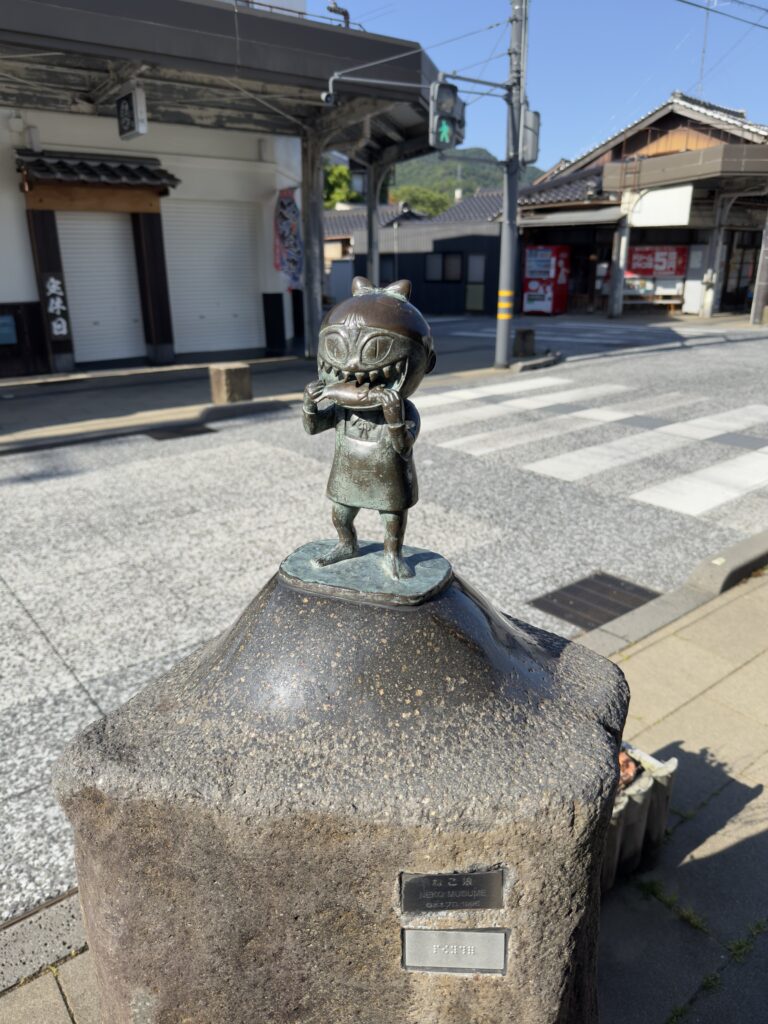
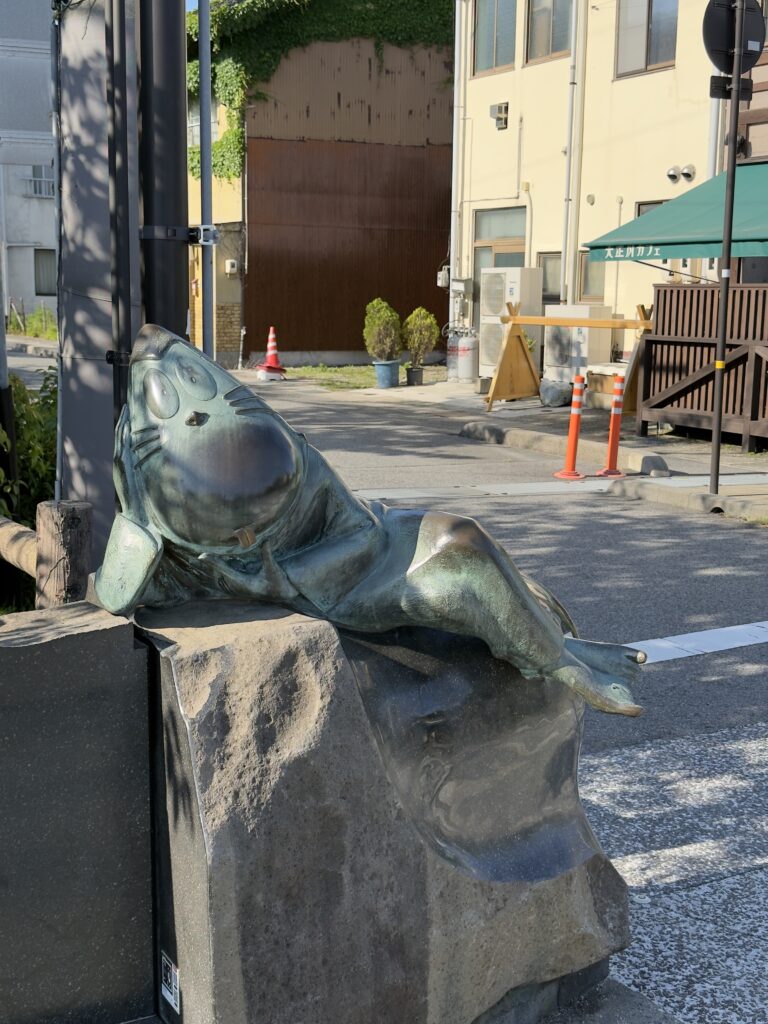
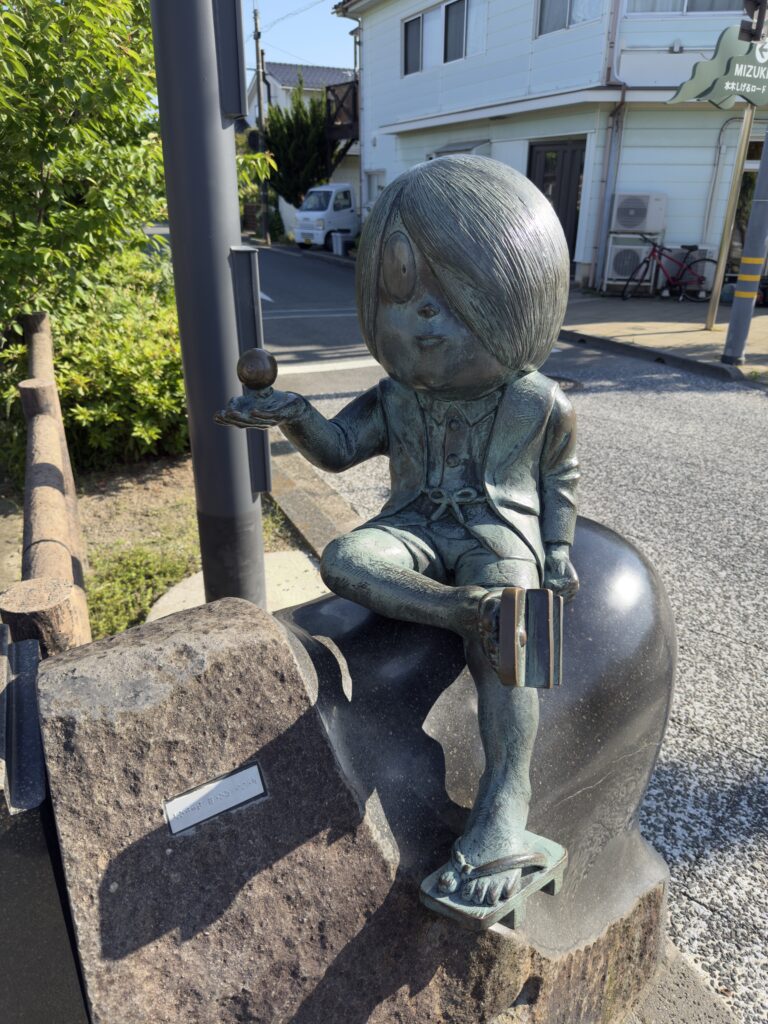
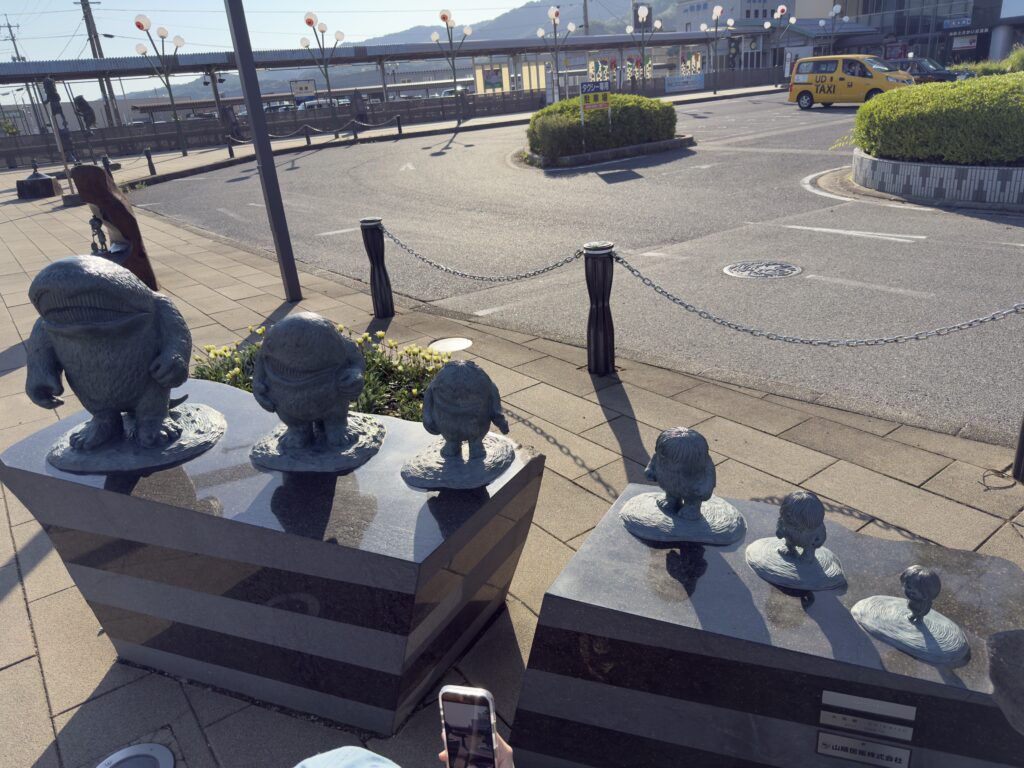
By the time we arrived at Sakaiminato Station (Kitaro Station), the shops had already closed for the day. It was a shame we couldn’t take more photos of Kitaro.
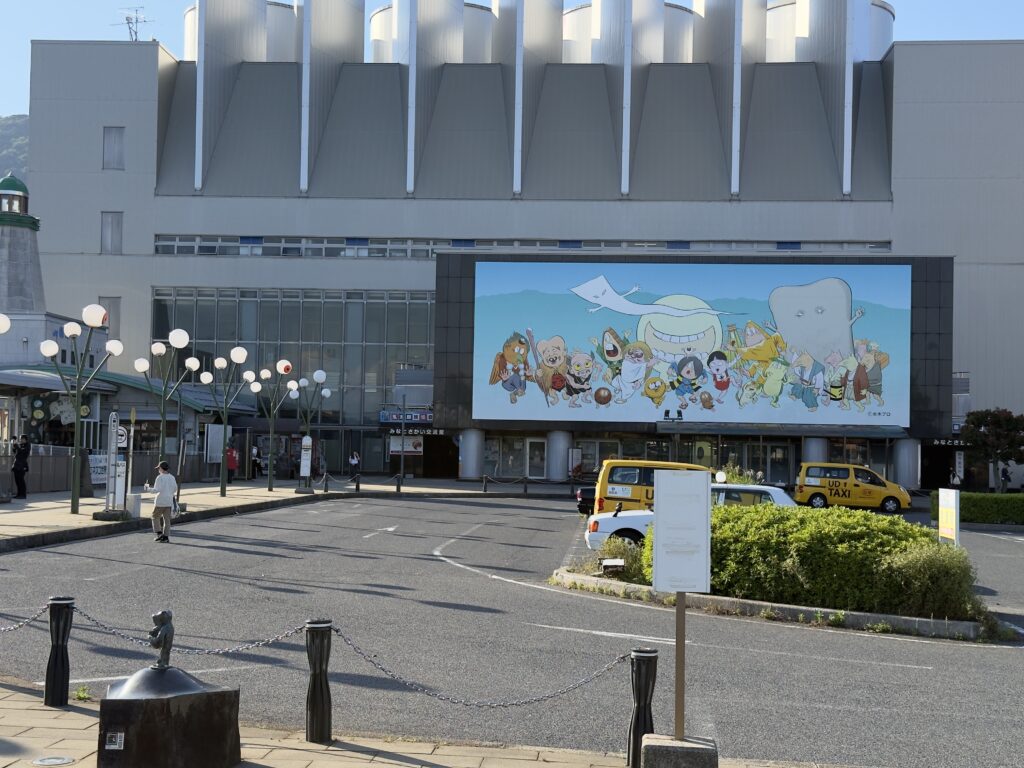
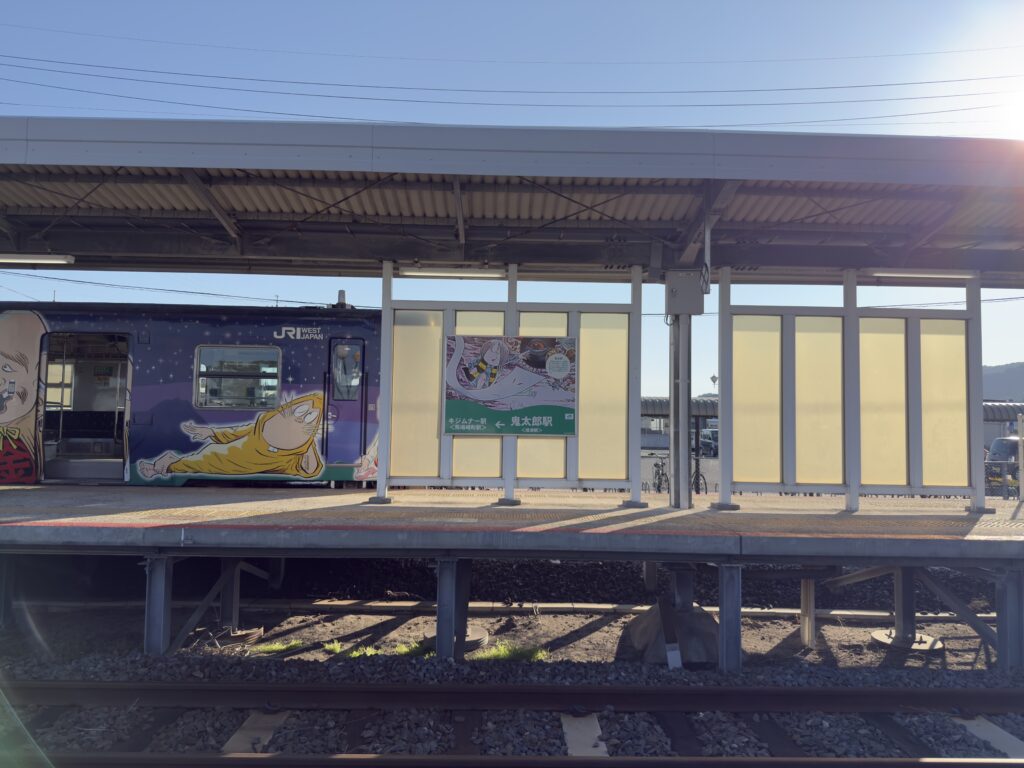
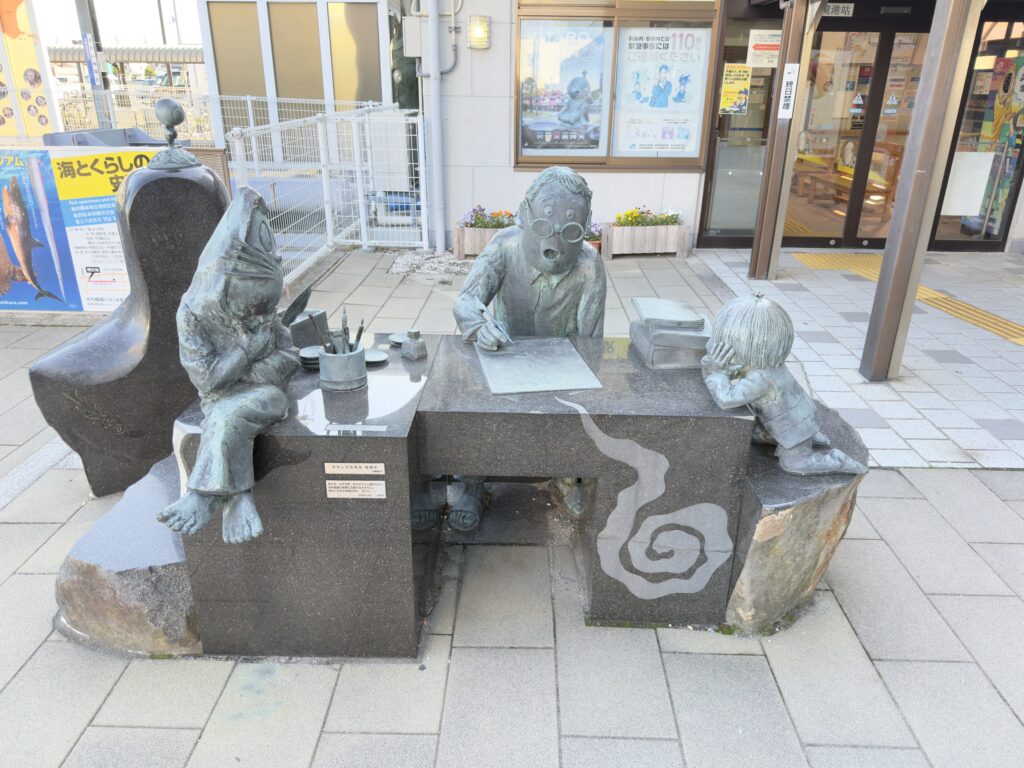
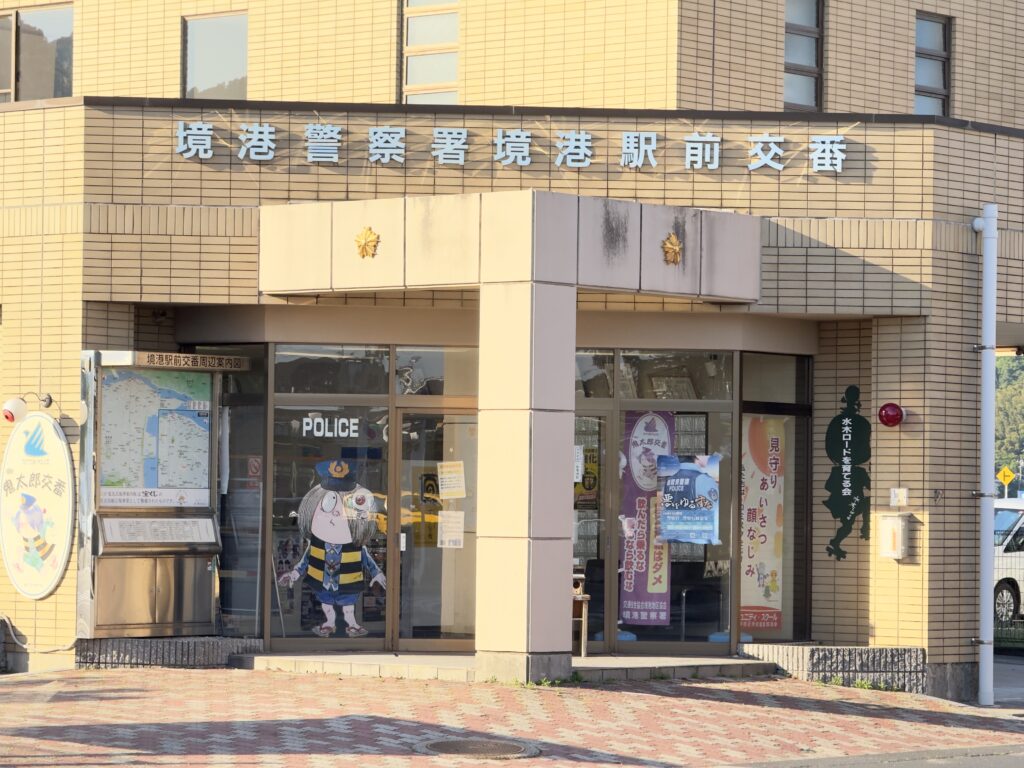
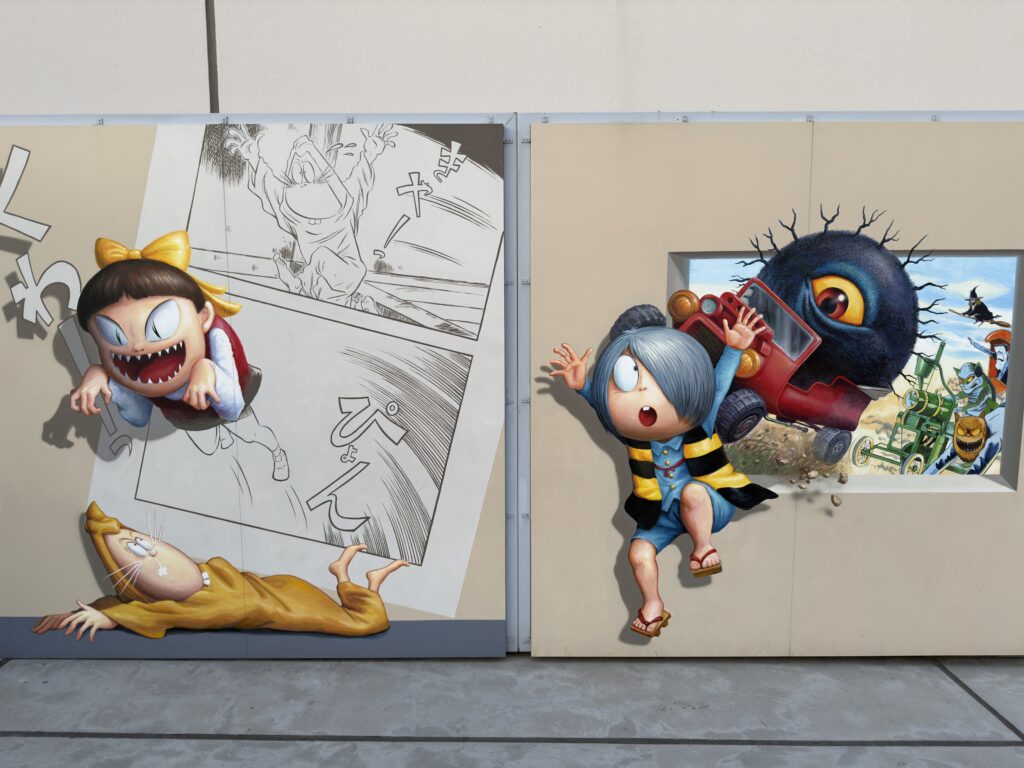
We arrived at Kitaro Airport, which is not only a transportation hub but also a charming yōkai-themed park in itself, featuring ubiquitous yōkai characters, large stained-glass windows, 3D floor art, Kitaro-themed shops, and more.
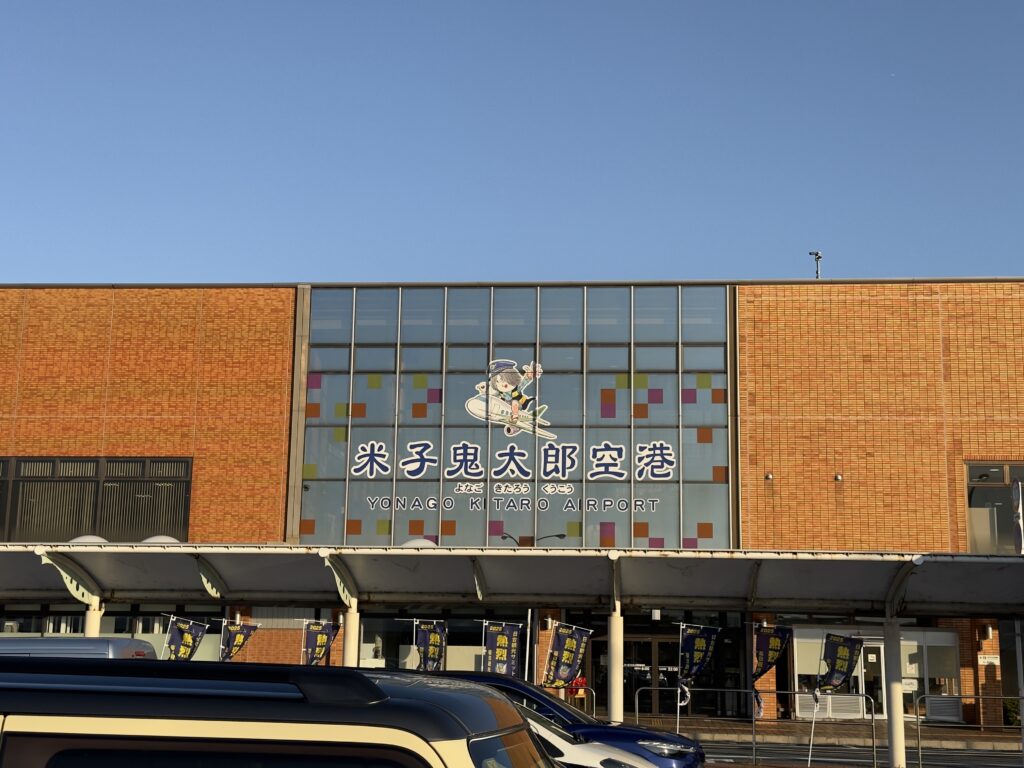
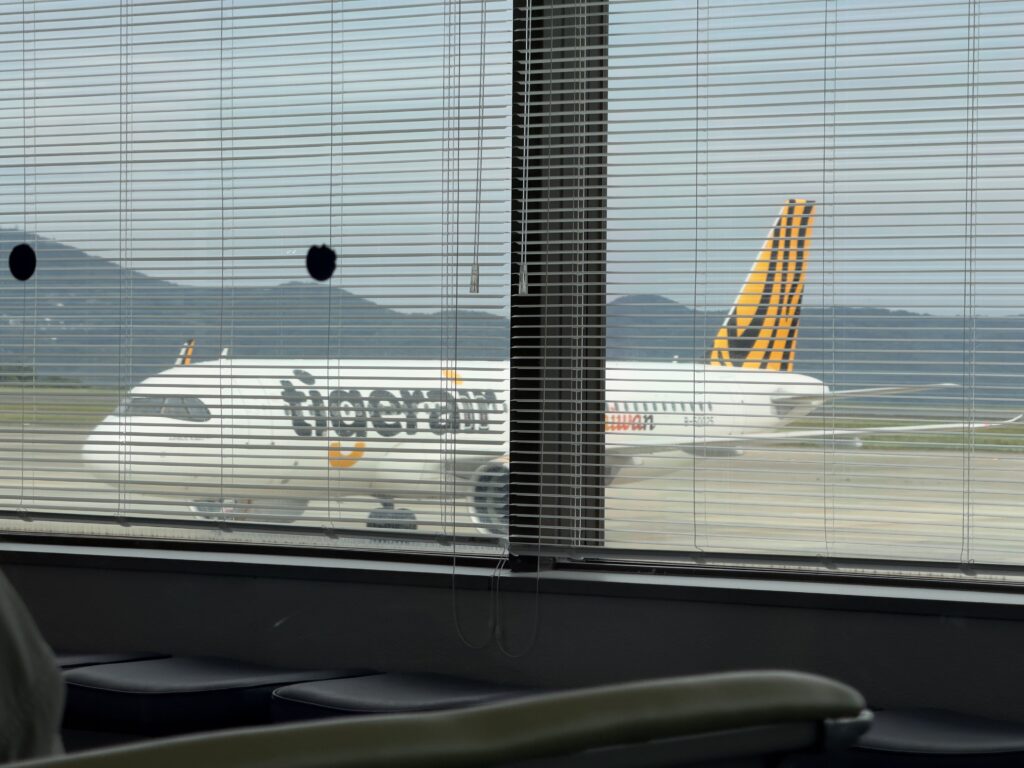
Starting May 29th, Tigerair Taiwan will launch direct flights from Taoyuan Airport to Yonago Kitaro Airport.
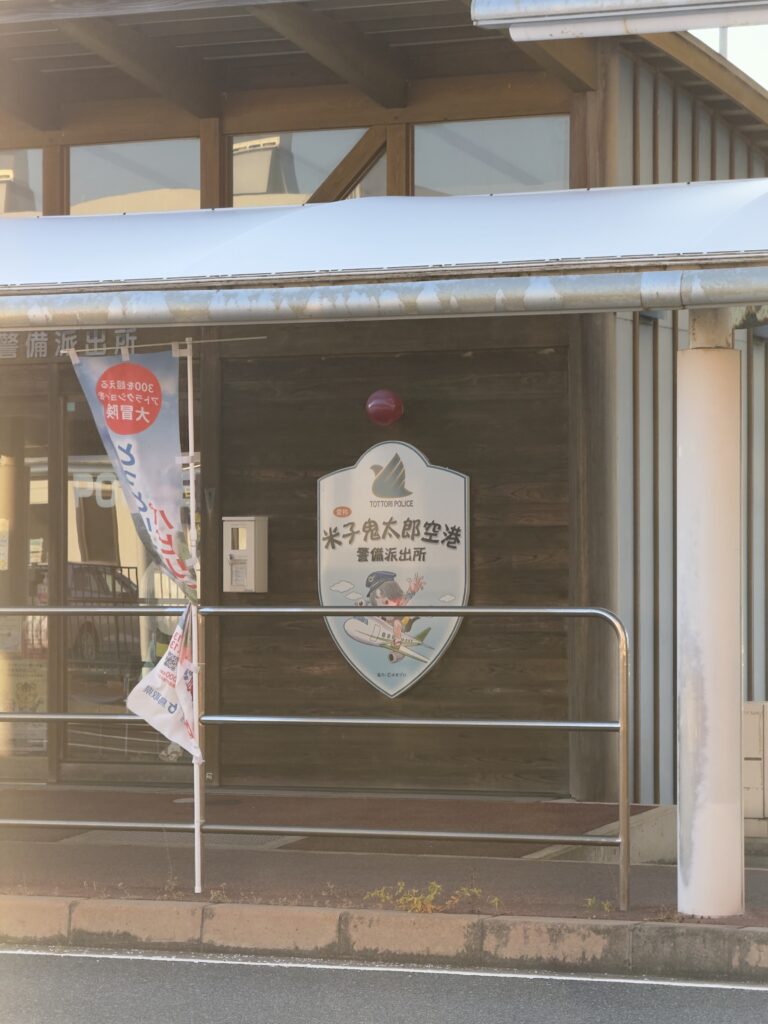
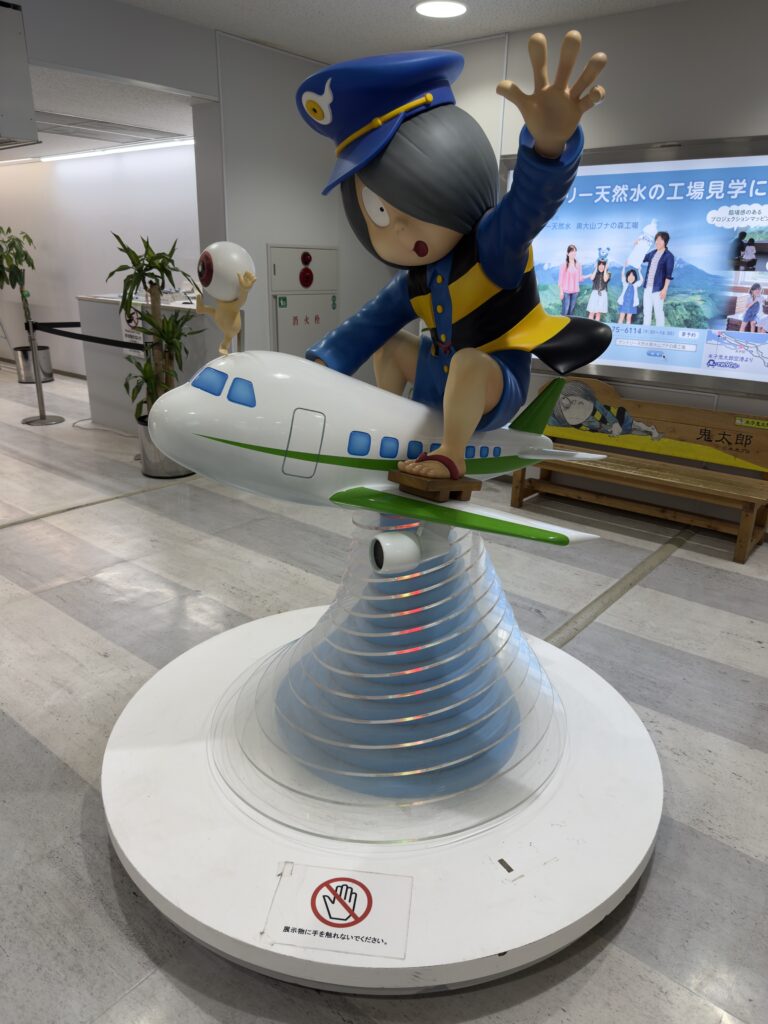
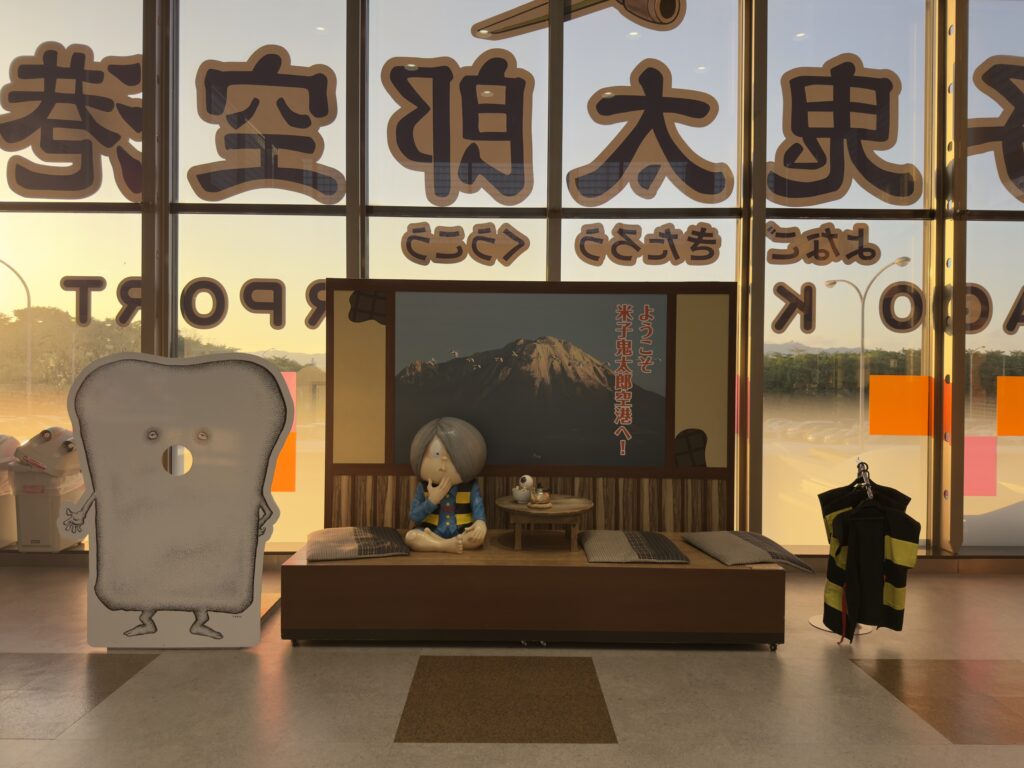
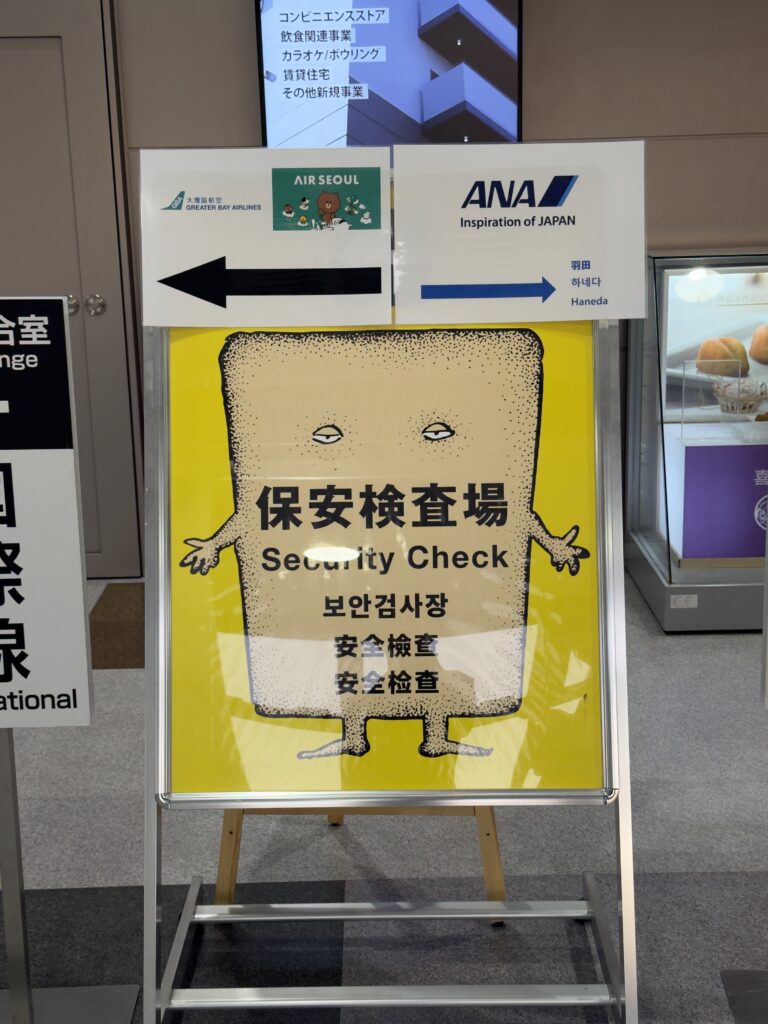
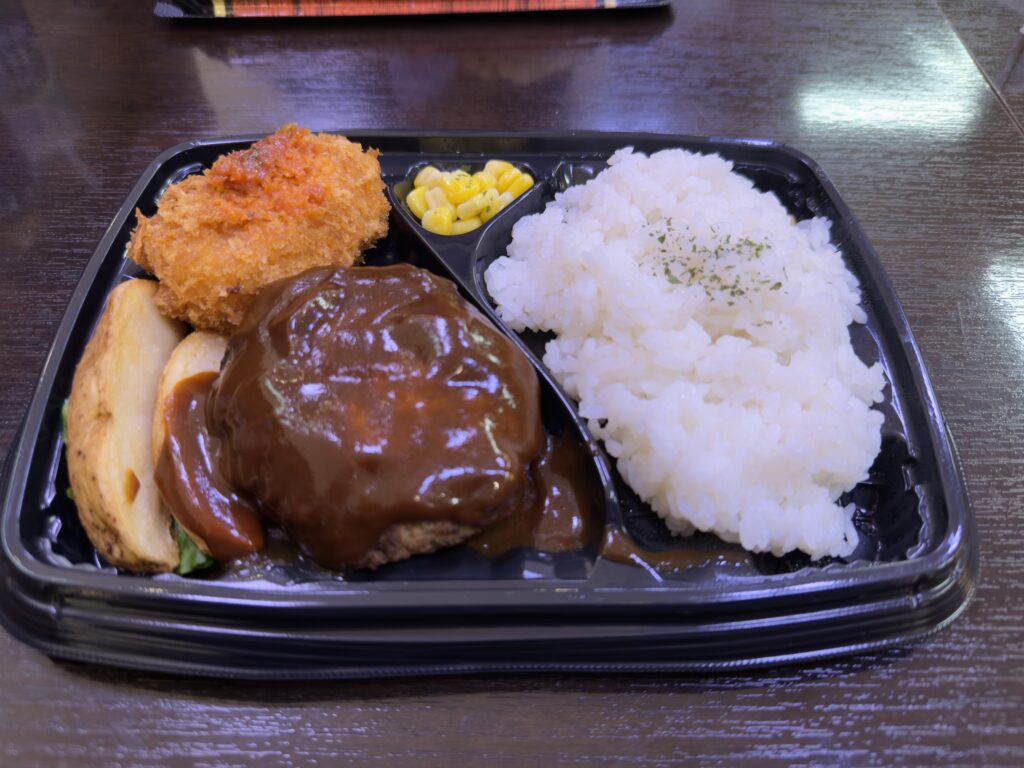
After finishing the day’s itinerary, it was about time to check in to the hotel. After dropping off our luggage at the Washington Hotel in Yonago City, we walked to the nearby AEON supermarket to buy bento (boxed lunches).
Day 6: Tairyo Ichiba → Sakaiminato Fish Market → Kibitsu Shrine → Kibitsuhiko Shrine → Hotel WG
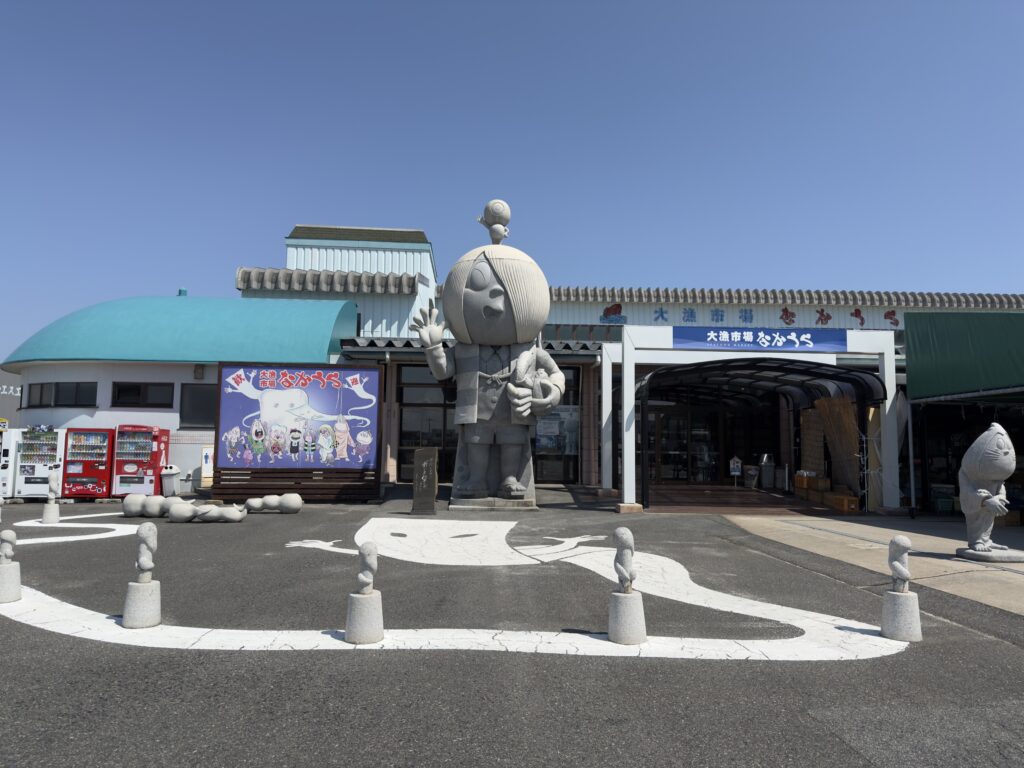
Today we are heading back to Okayama, but first, this morning we visited a nearby attraction in Sakaiminato: the Tairyo Ichiba (Big Fish Market) to see the Kitaro stone statue. The extra-large Kitaro was holding Sakaiminato’s specialty: a Snow Crab (Matsuba-gani). Inside the market, you can browse for Kitaro merchandise and fresh seafood.
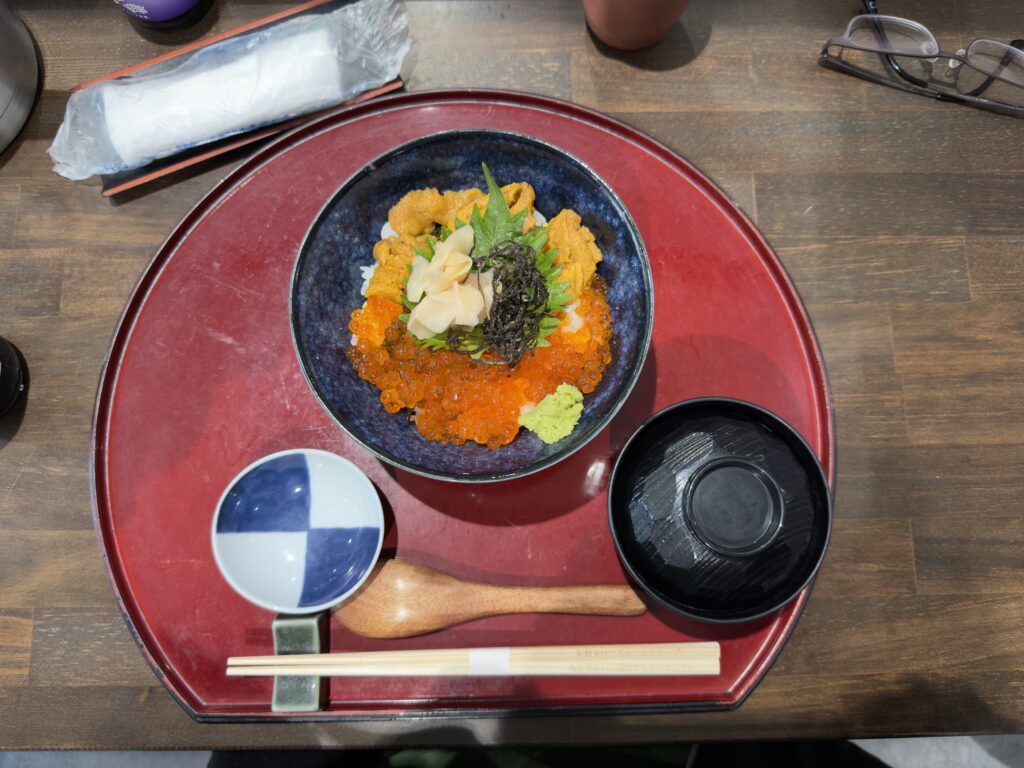
Next, we went to Kaiyōtei (Haiyangting) near the Sakaiminato Fish Market. Unfortunately, May is not the season for Snow Crab (Matsuba-gani), but we still ordered a Red Snow Crab donburi (rice bowl) to satisfy our craving.
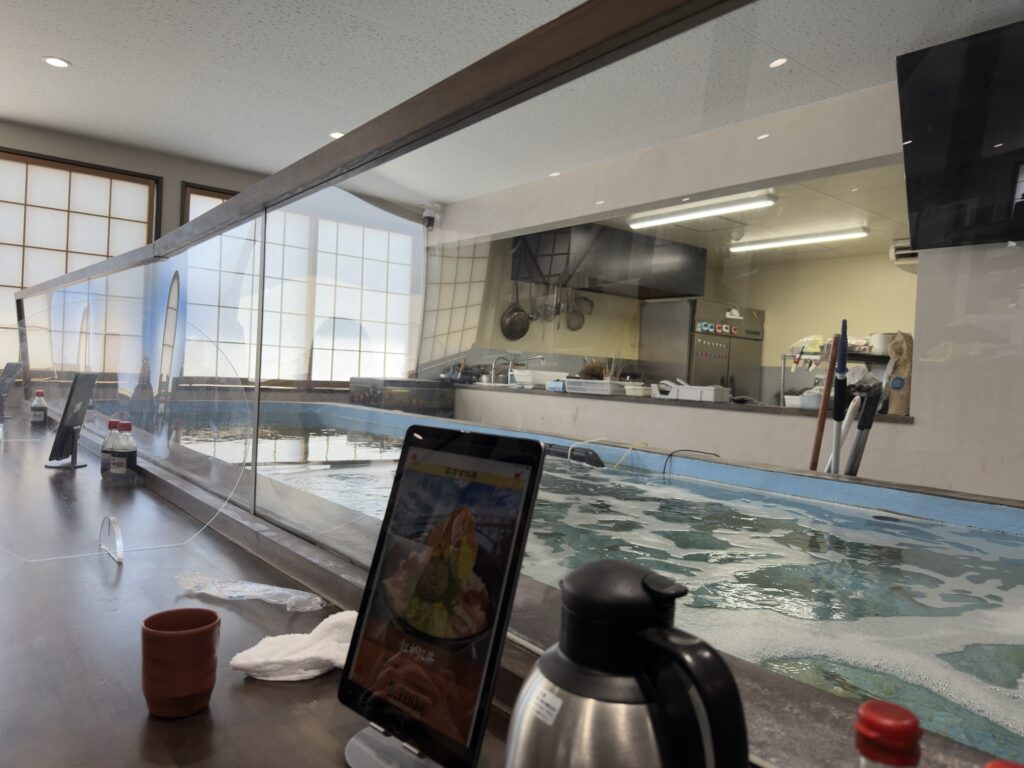
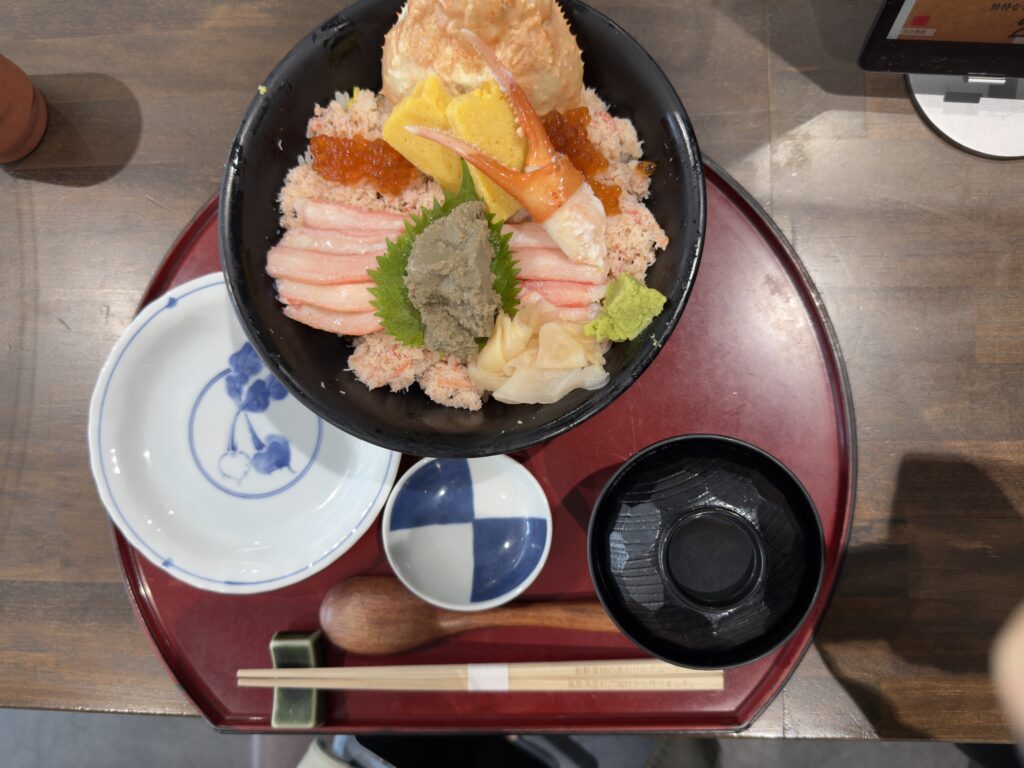
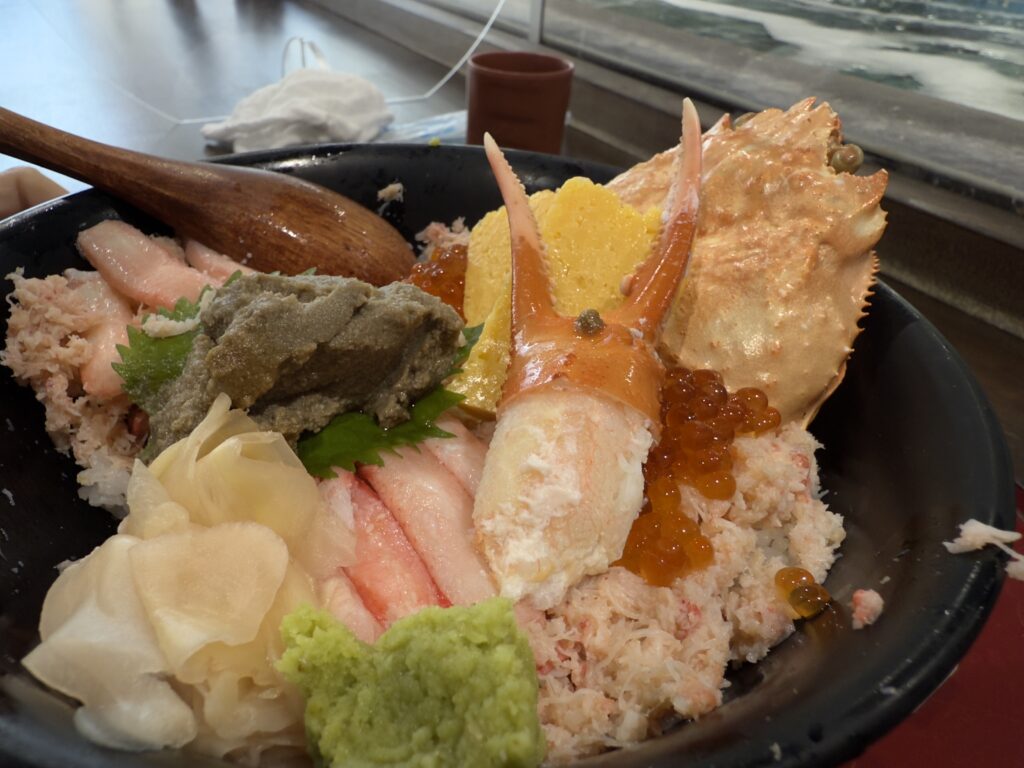
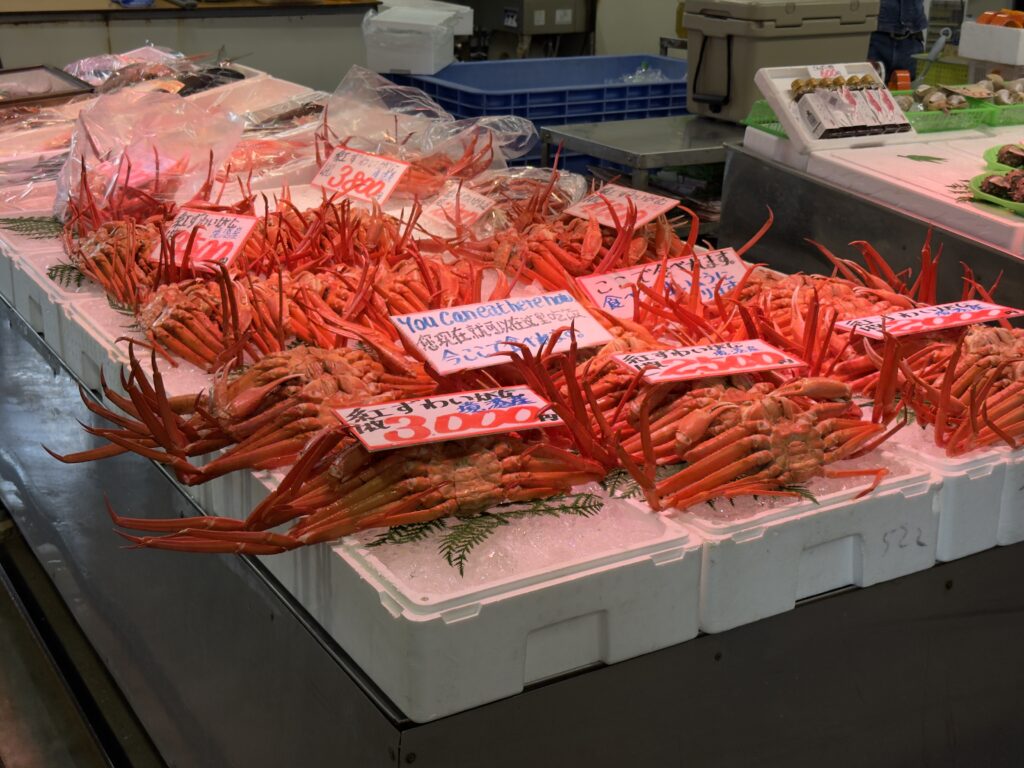
After eating, we walked over to the fish market across the street to look around. You can also buy and eat fresh seafood right there.
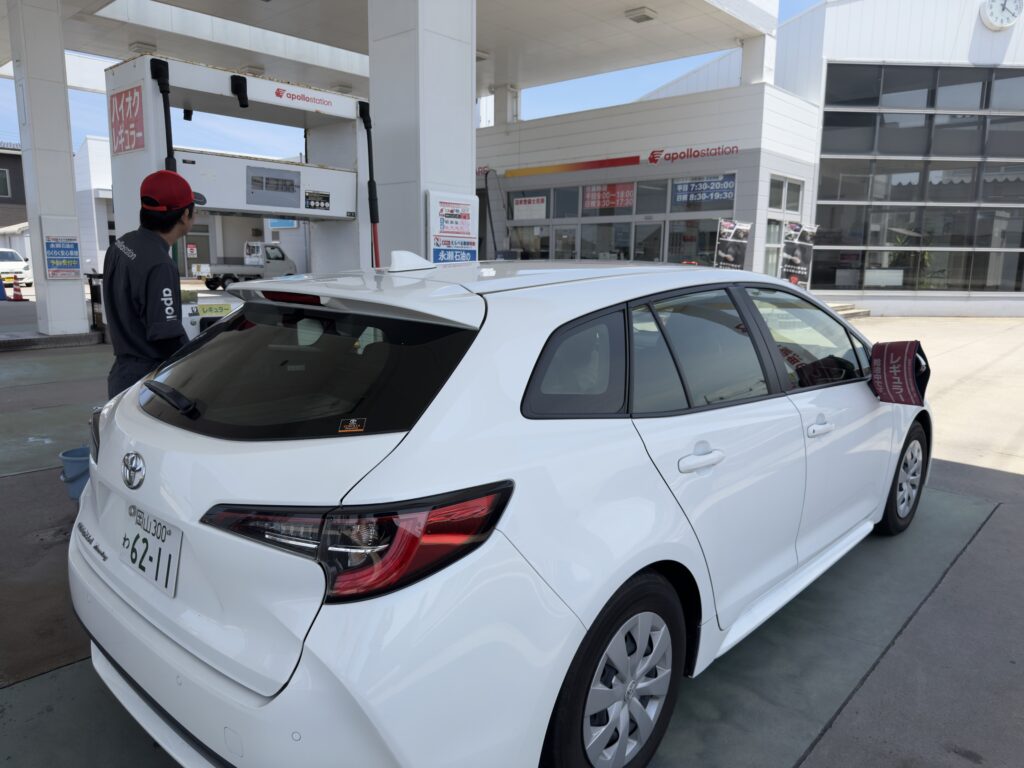
After a satisfying meal, we filled up the car on the way to Okayama. It was only the sixth day that we needed to refuel, which is quite fuel-efficient.
We arrived at Kibitsu Shrine.
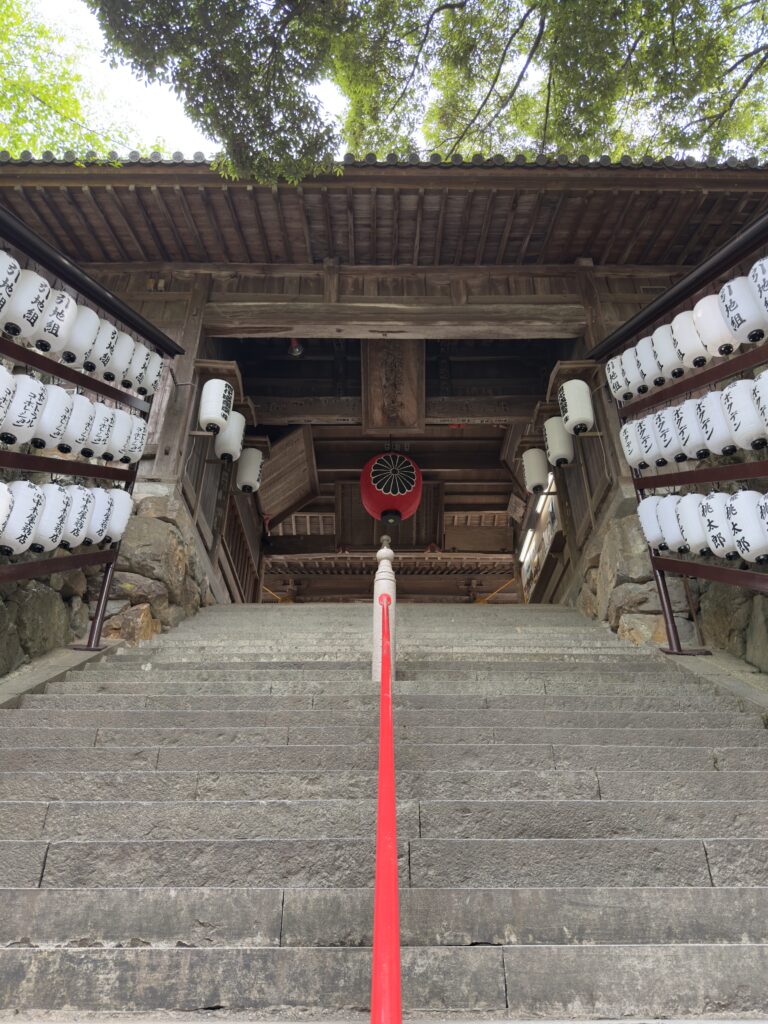
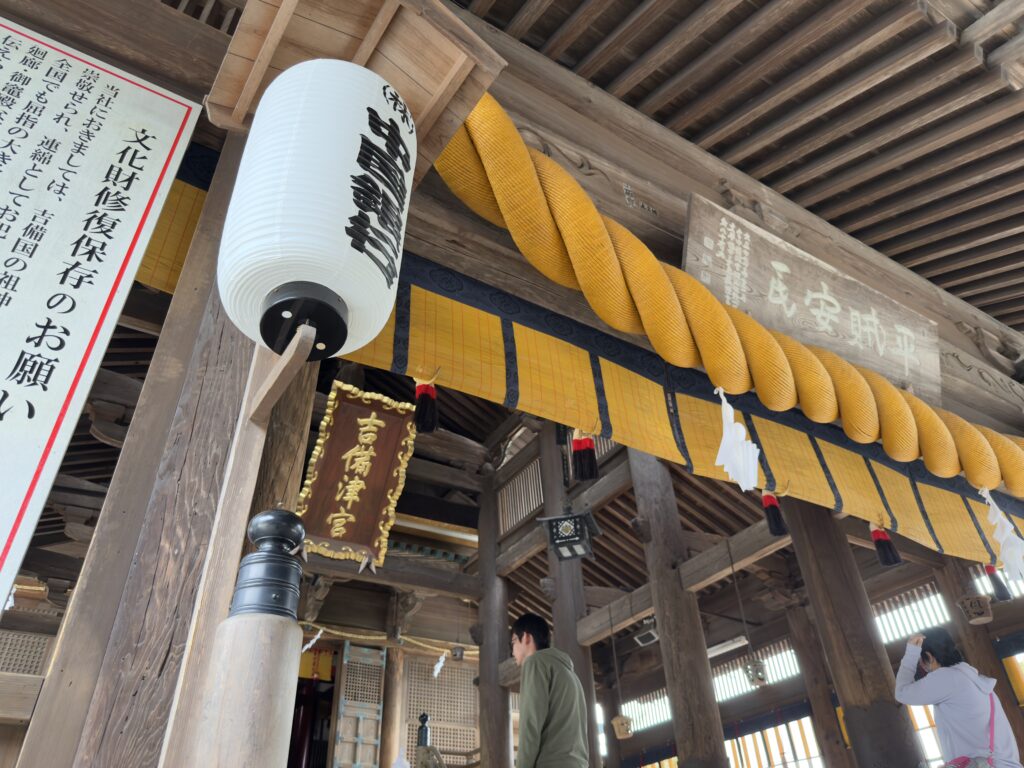
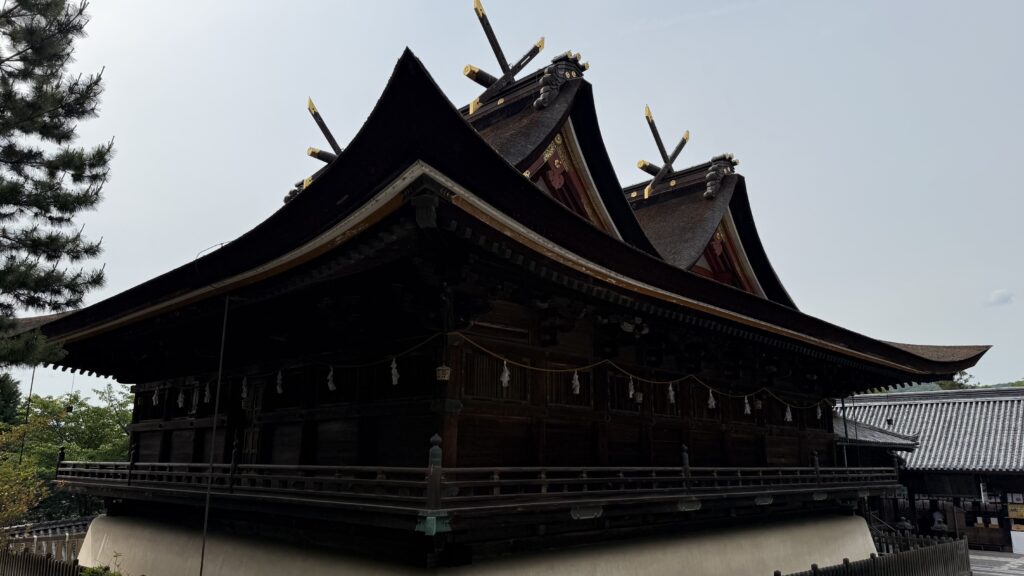
The shrine’s greatest source of pride is its Main Sanctuary (Honden) and Worship Hall (Haiden), which are designated National Treasures of Japan. Their architectural style is highly unique, featuring two side-by-side Irimoya-zukuri (hipped-and-gabled) roofs. This style is known as Hiyoku Irimoya-zukuri or Kibitsu-zukuri, and it is the only architectural style of its kind in all of Japan.
Furthermore, the large wooden corridor that extends 360 meters from the Main Sanctuary and is built along the mountain slope is an extremely spectacular sight and a must-see attraction.
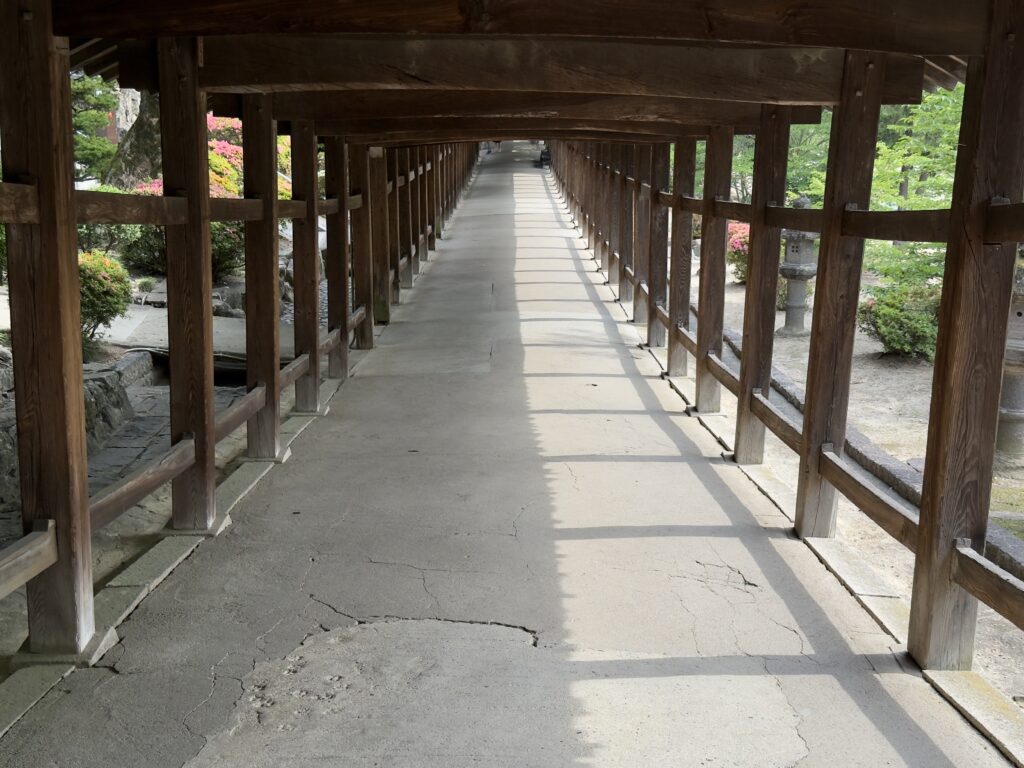
After visiting Kibitsu Shrine, we also explored Kibitsuhiko Shrine since it is nearby.
Kibitsuhiko, who is associated with the Momotaro legend.
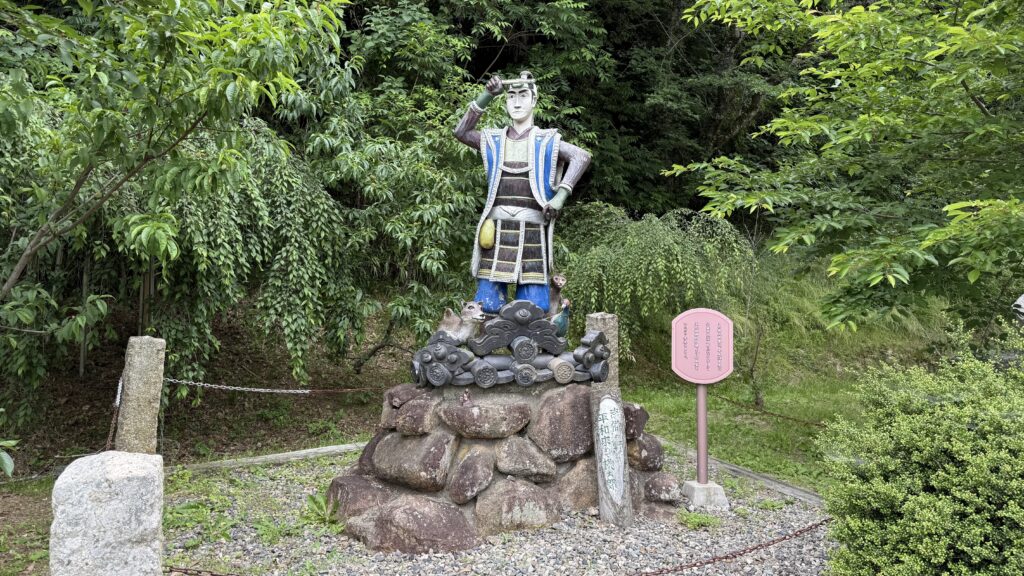
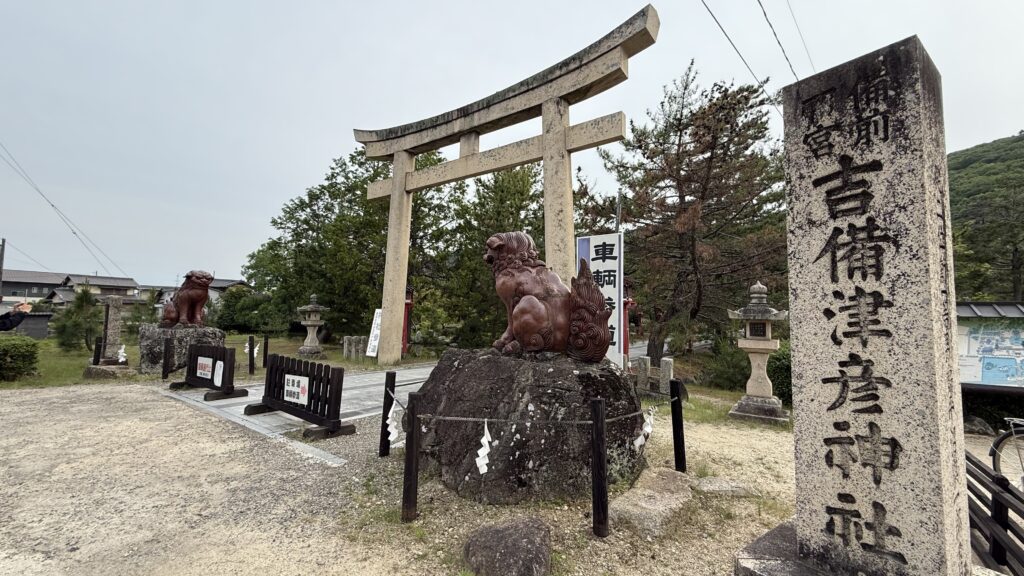
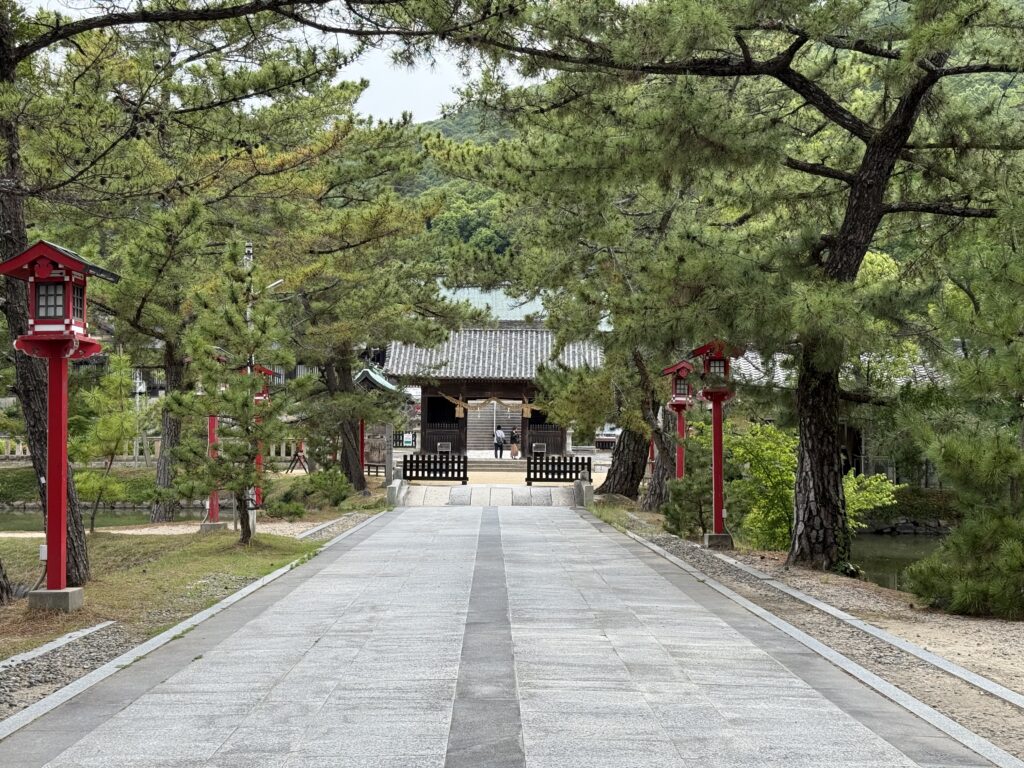
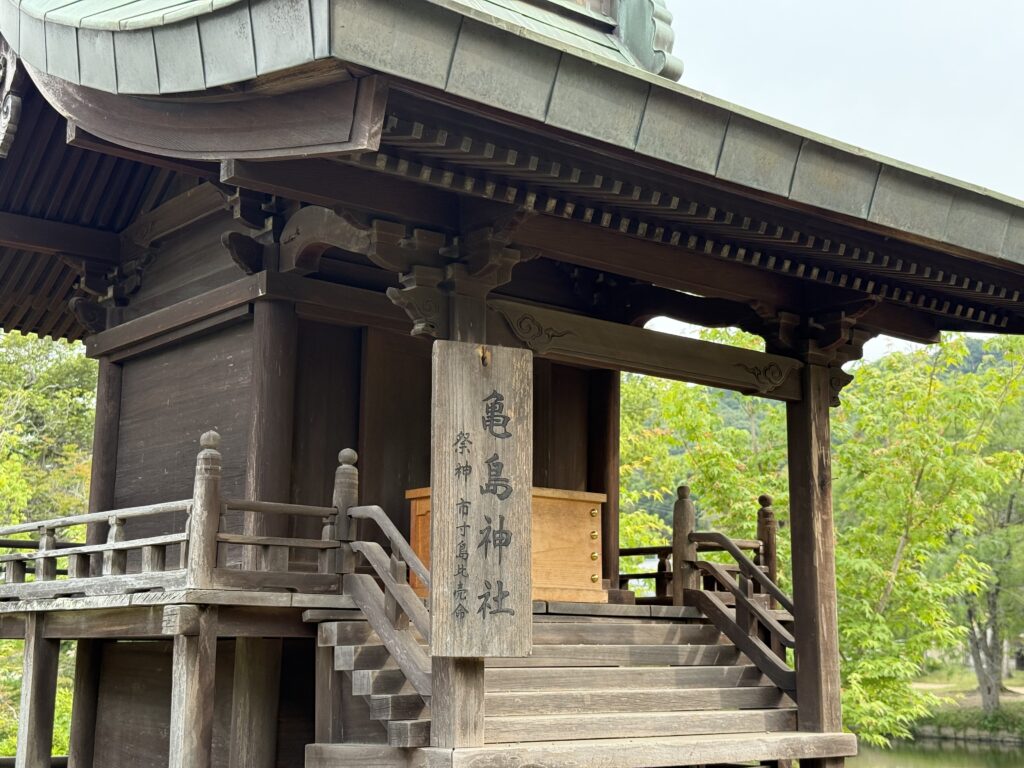
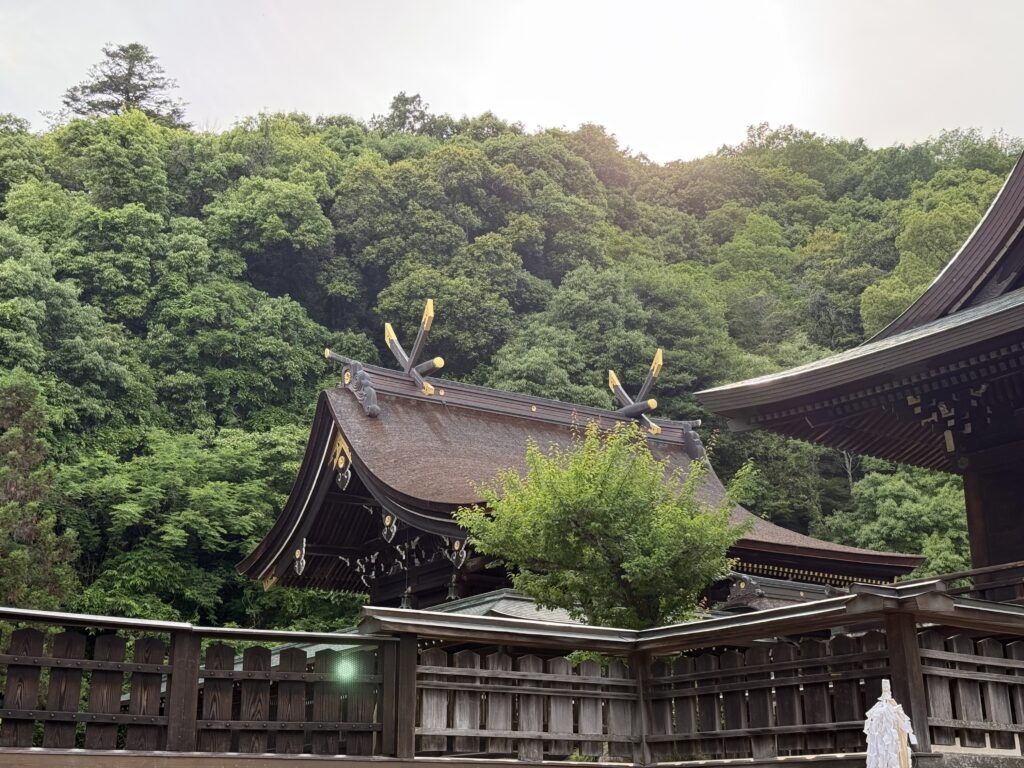
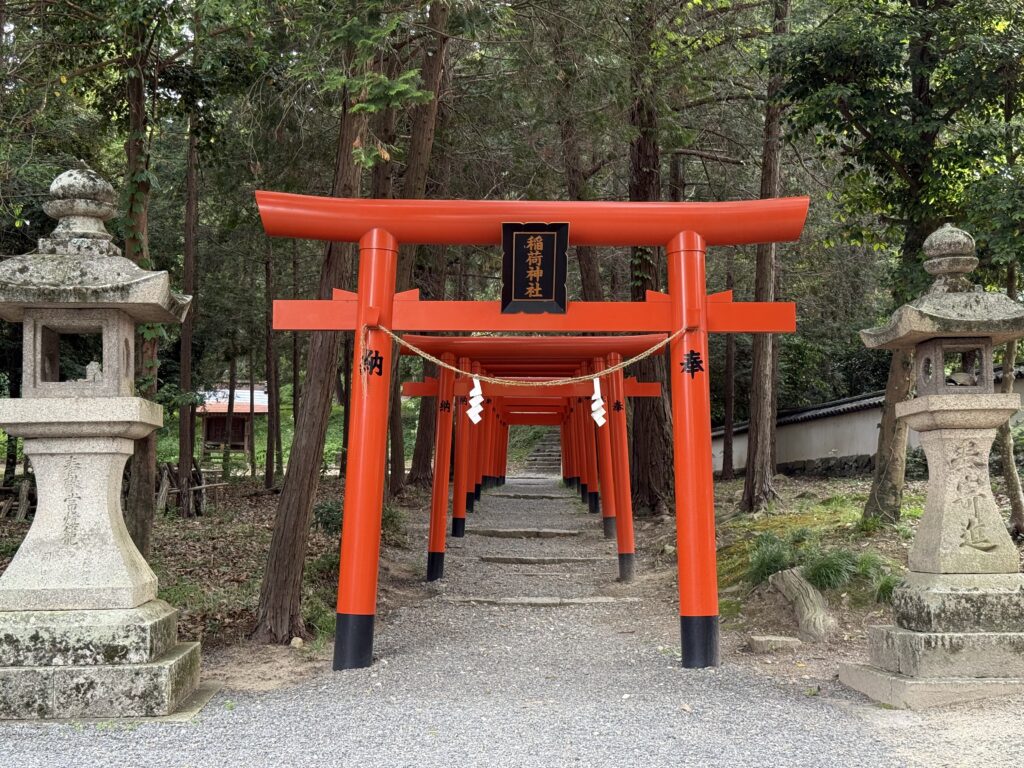
The area is not very large and there were few tourists, so we finished visiting quickly. Our next stop was to check into Hotel Watergate Okayama. Although it is a bit far from Okayama City proper, we booked this hotel online because of its low price and free parking.
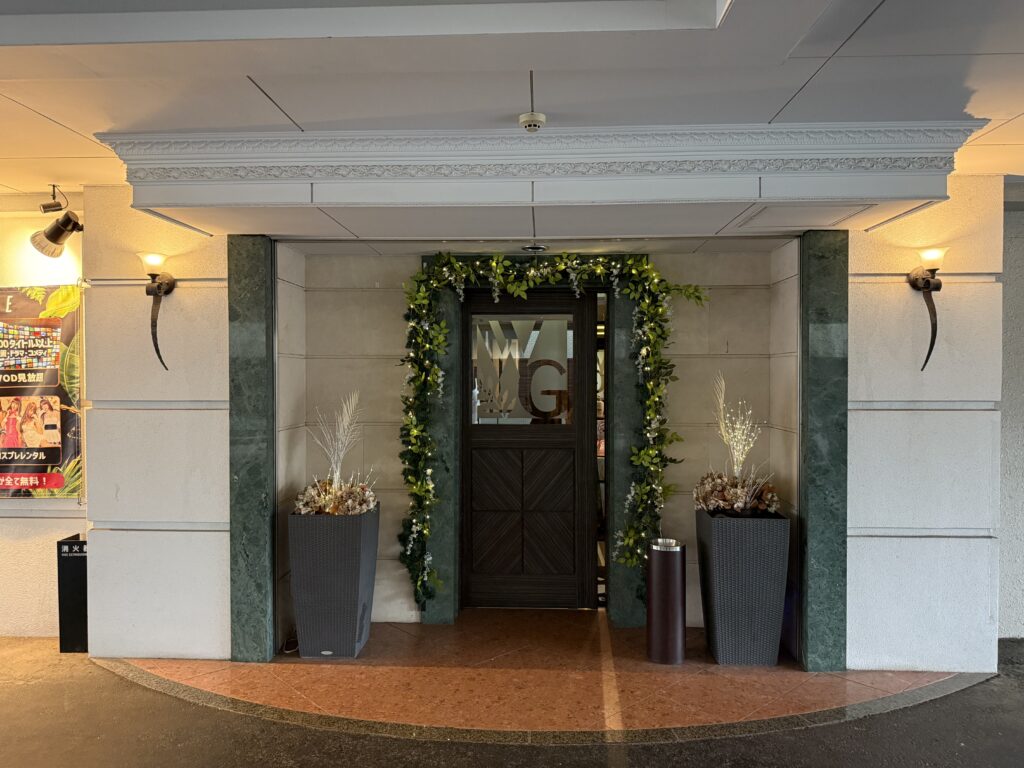
After checking in, we realized the room was incredibly huge. The bathroom and toilet were separate, and the bathroom was especially large and featured a jacuzzi. We could also watch Netflix on the huge TV.
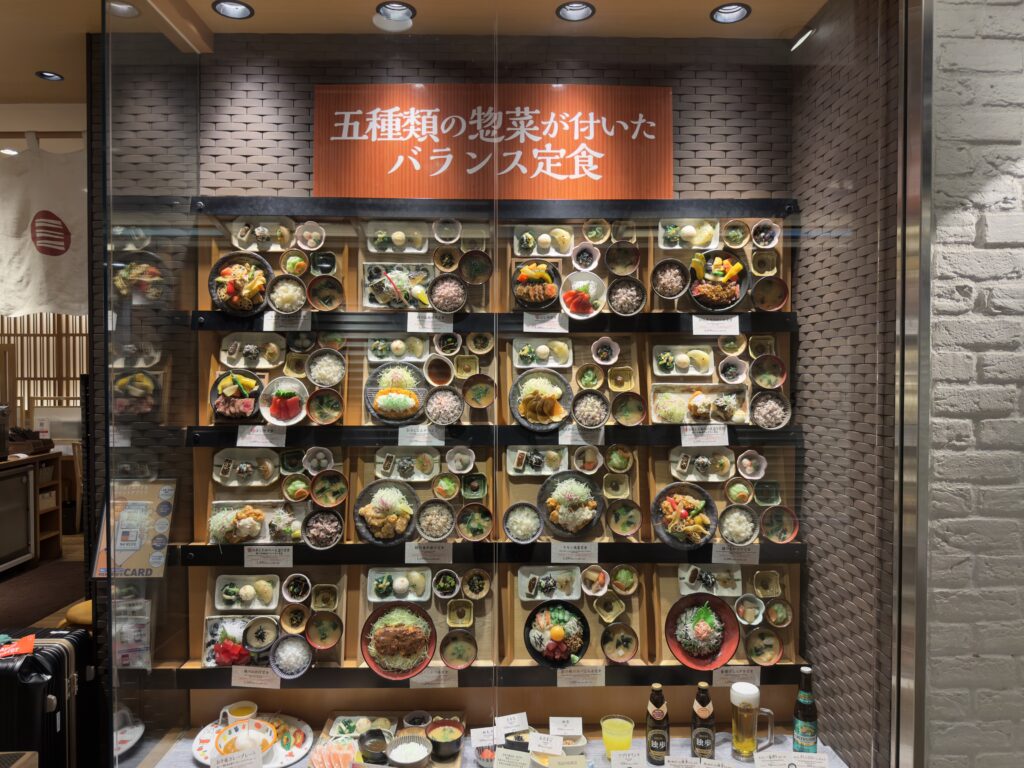
When it was nearly dinner time, we went back to Okayama City to find a random teishoku (set meal) restaurant to wrap up the day.
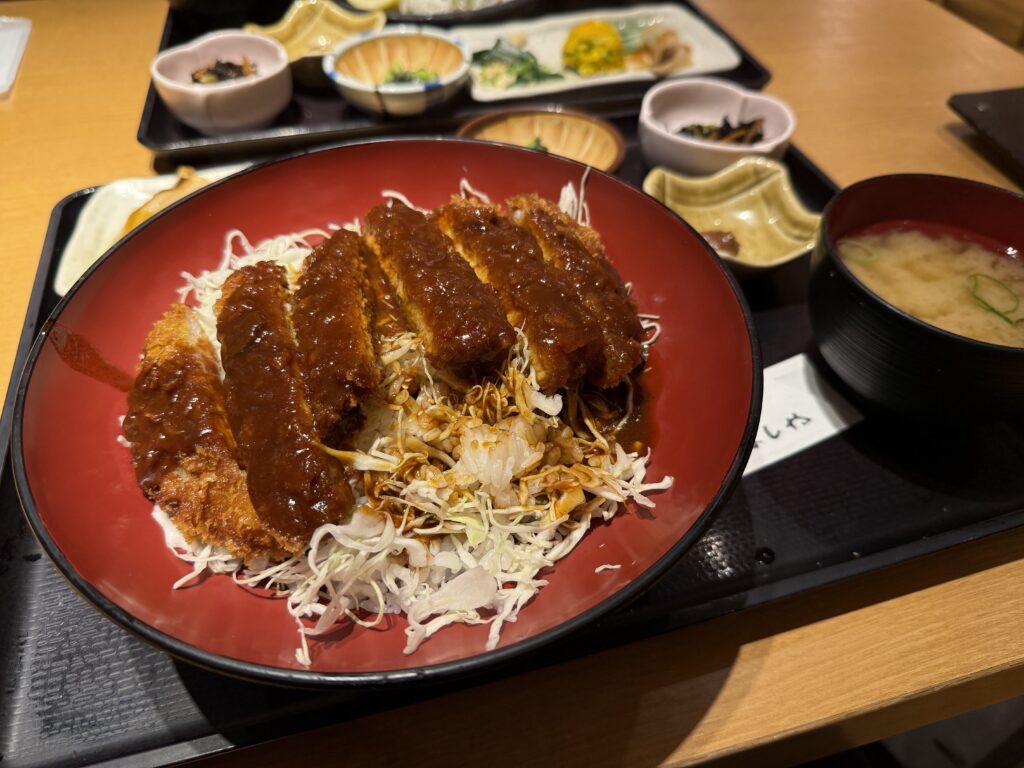
Day 7: Okayama Korakuen Garden → Okayama Castle → Okayama Station Area
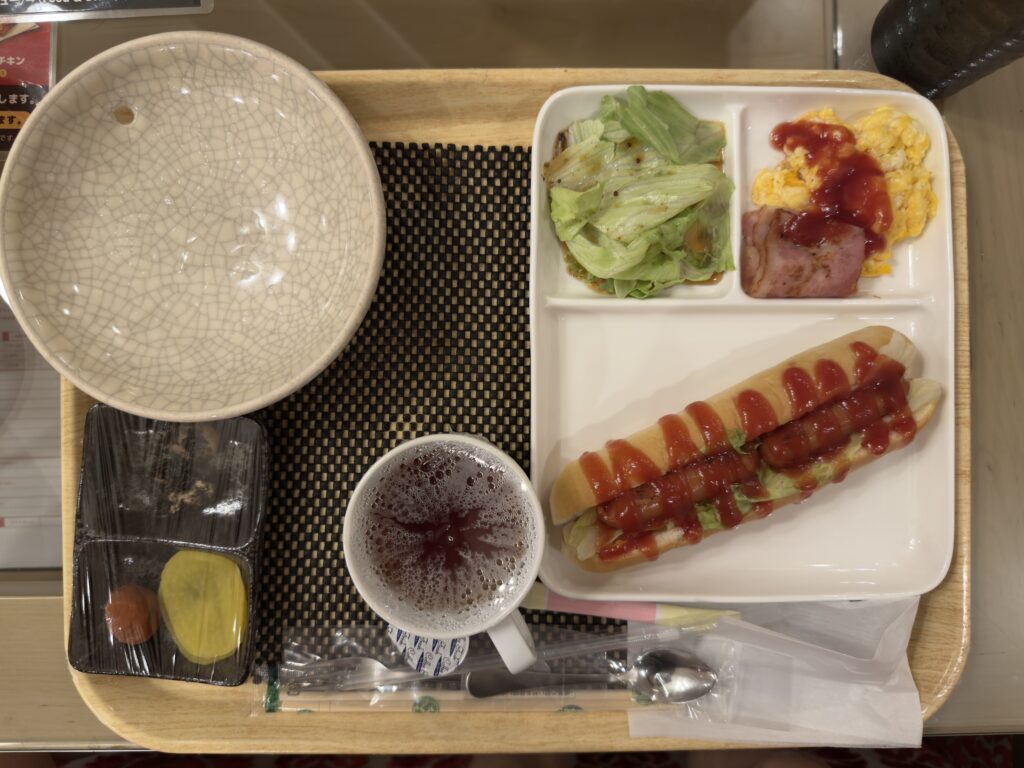
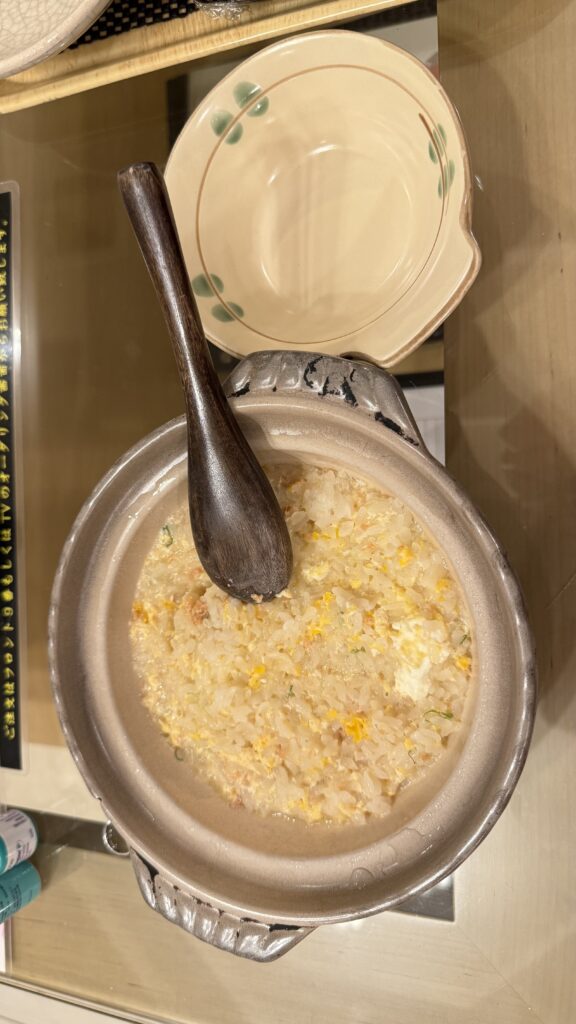
The breakfast at Hotel Watergate Okayama was reasonably priced, so we pre-ordered two days of breakfast. This is today’s portion.
Next, we set off for Okayama Korakuen Garden. Okayama Castle can also be seen on the other side from Korakuen.
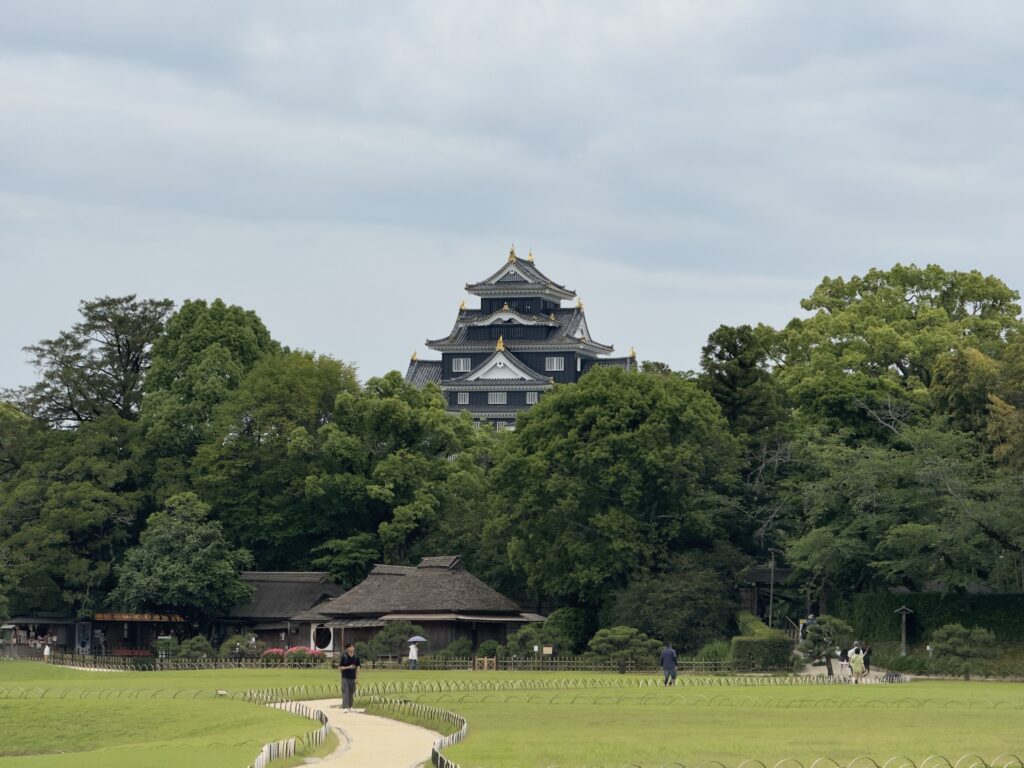
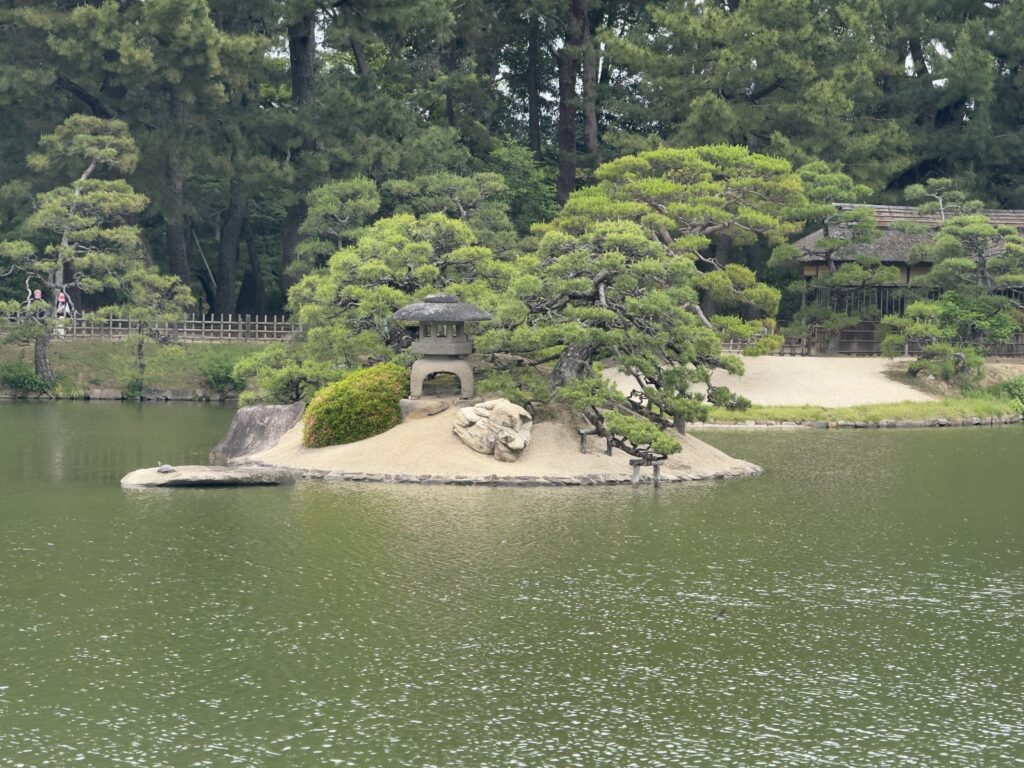
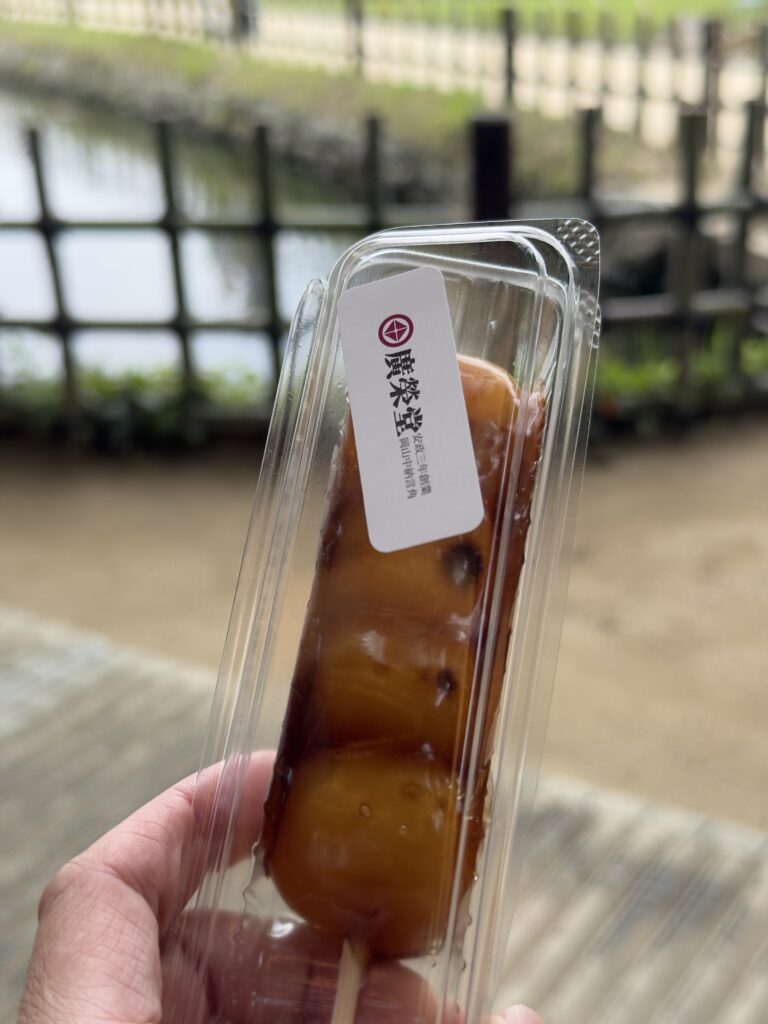
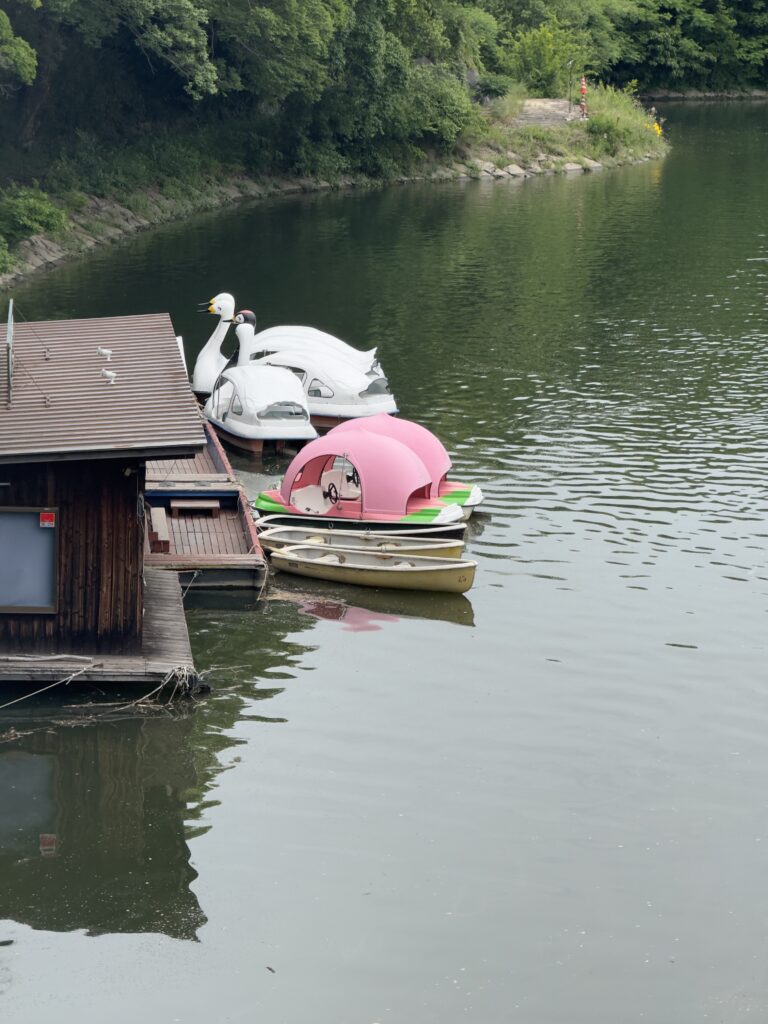
Heading to Okayama Castle.
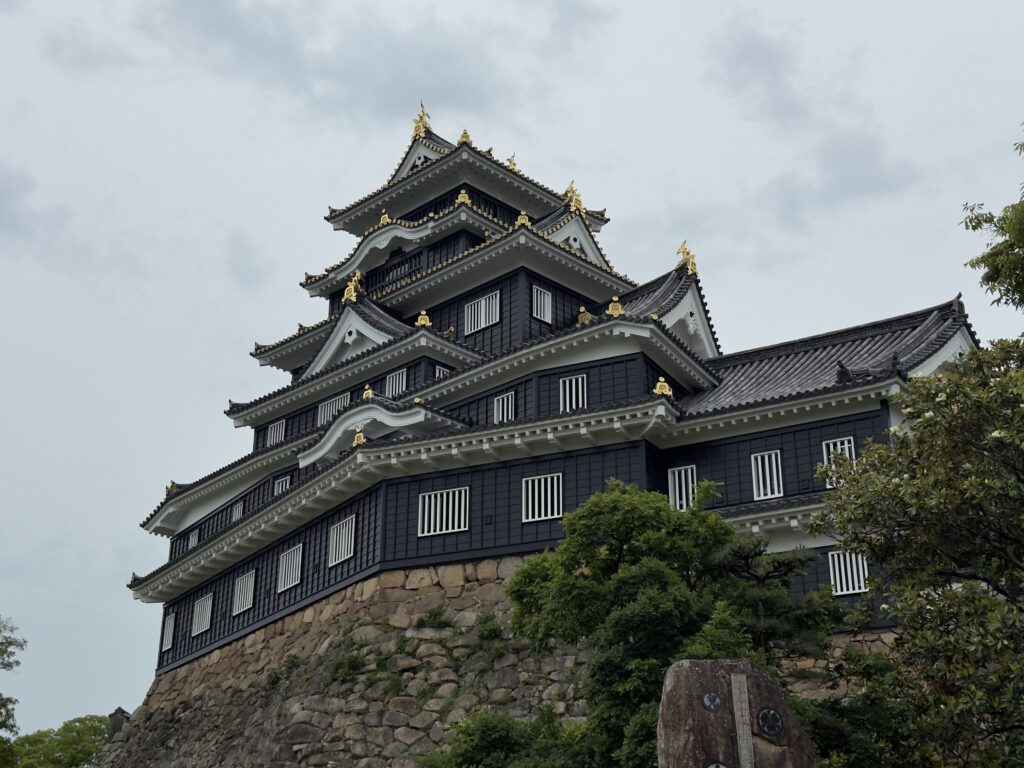
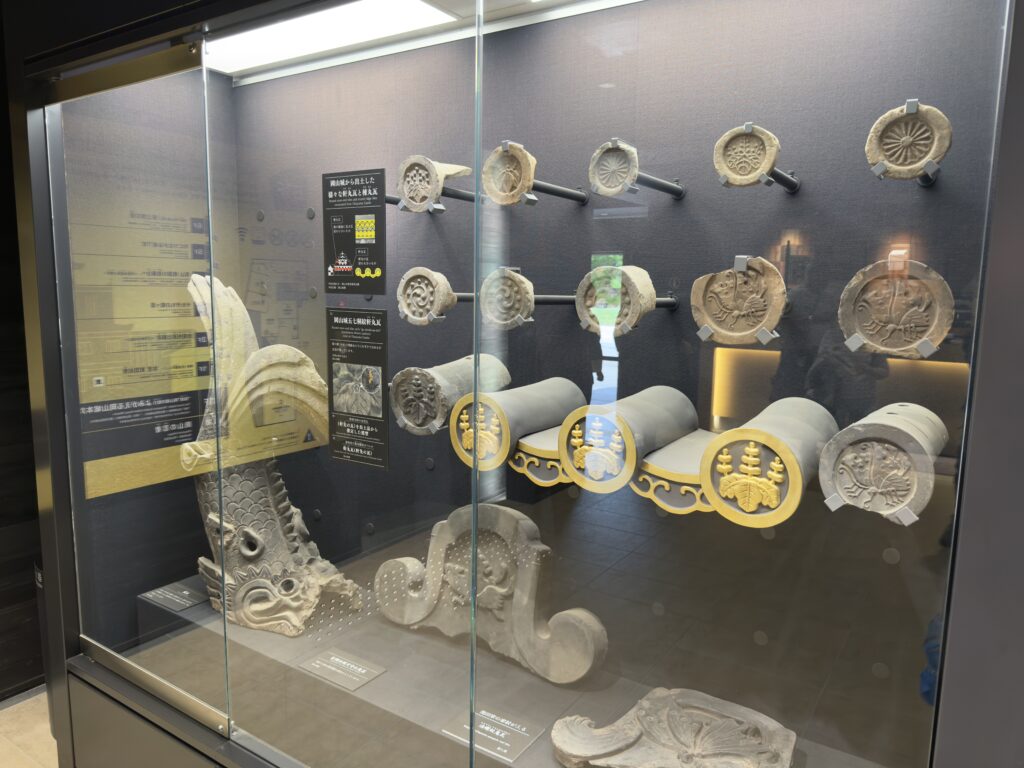
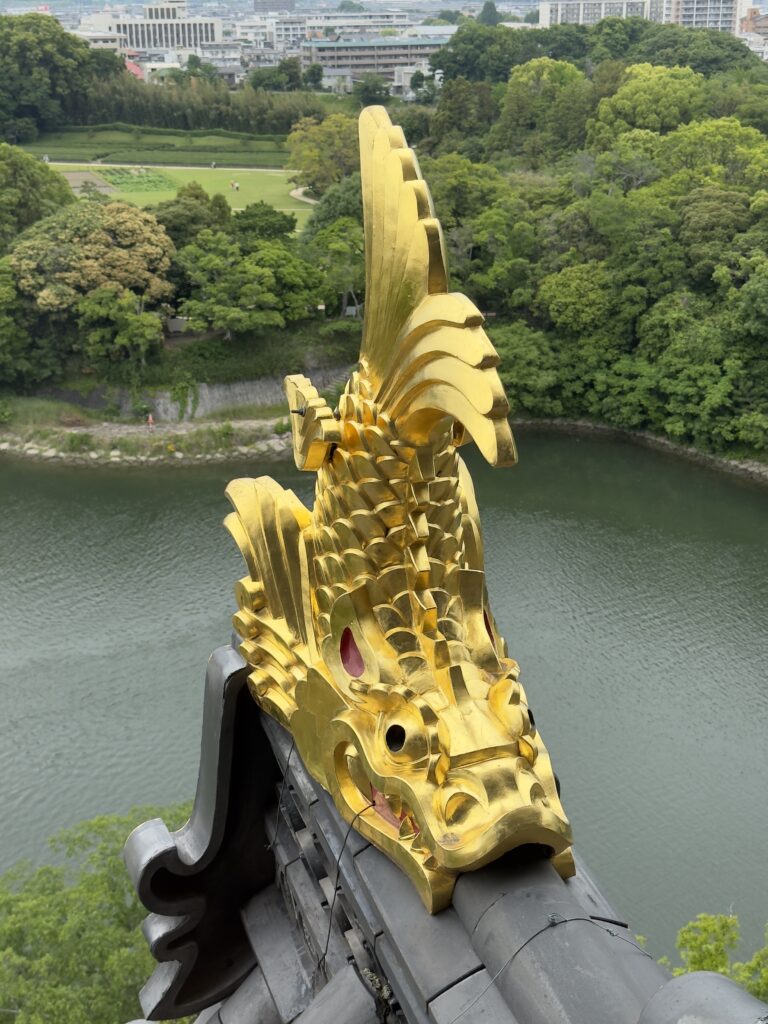
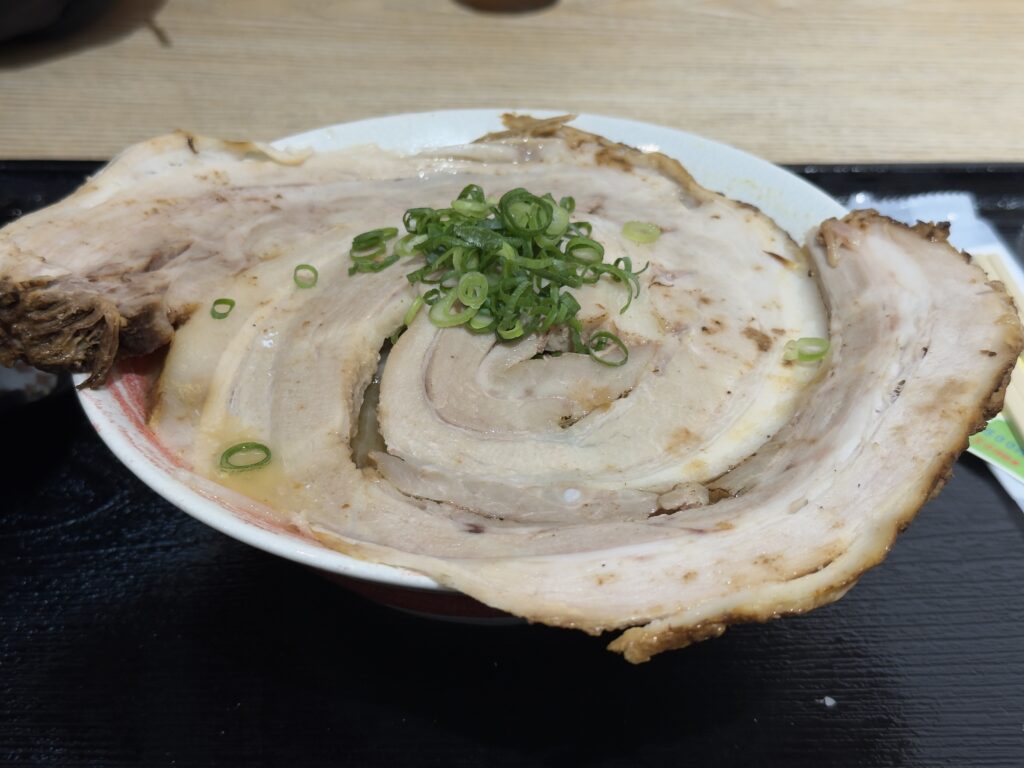
After finishing our tour of Okayama Castle, we went to the ICOT NICOT shopping center to look for lunch. We chose a ramen shop, where we placed our order at the vending machine and collected our food when our number was called. The food was affordable and delicious.
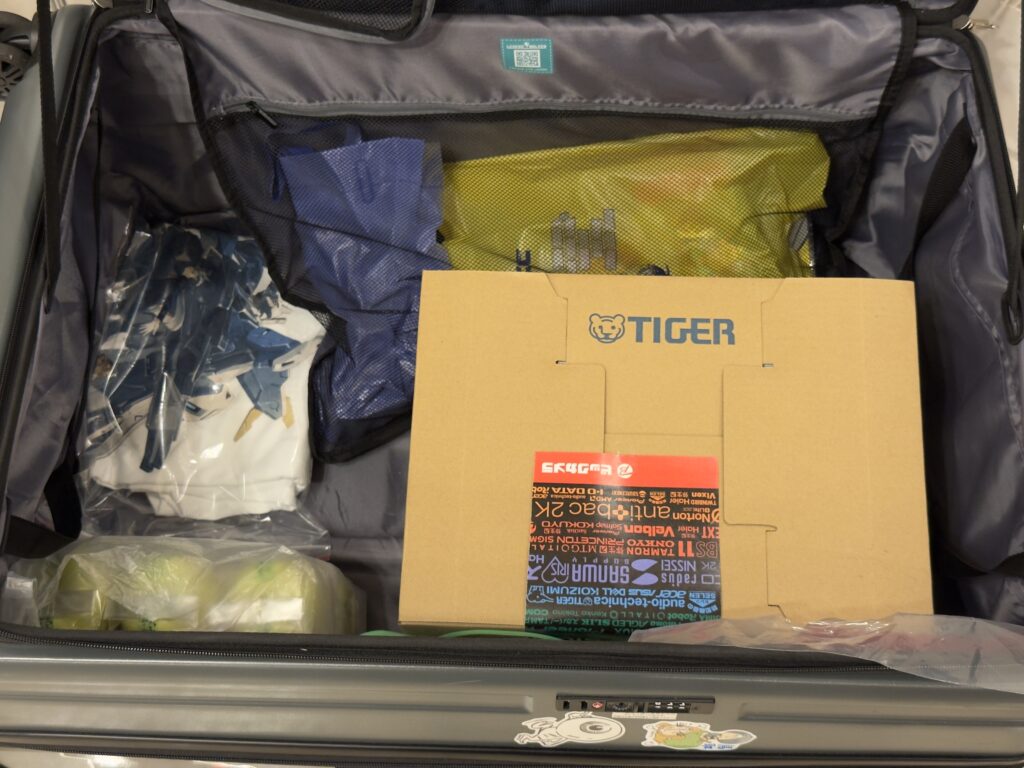
After our meal, we headed to the Bic Camera Okayama Ekimae (Station Front) store to browse. We even hauled a Tiger rice cooker to take home! Just like that, only one day remains in our journey.
Day 8: Momotaro Avenue → Momotaro Airport
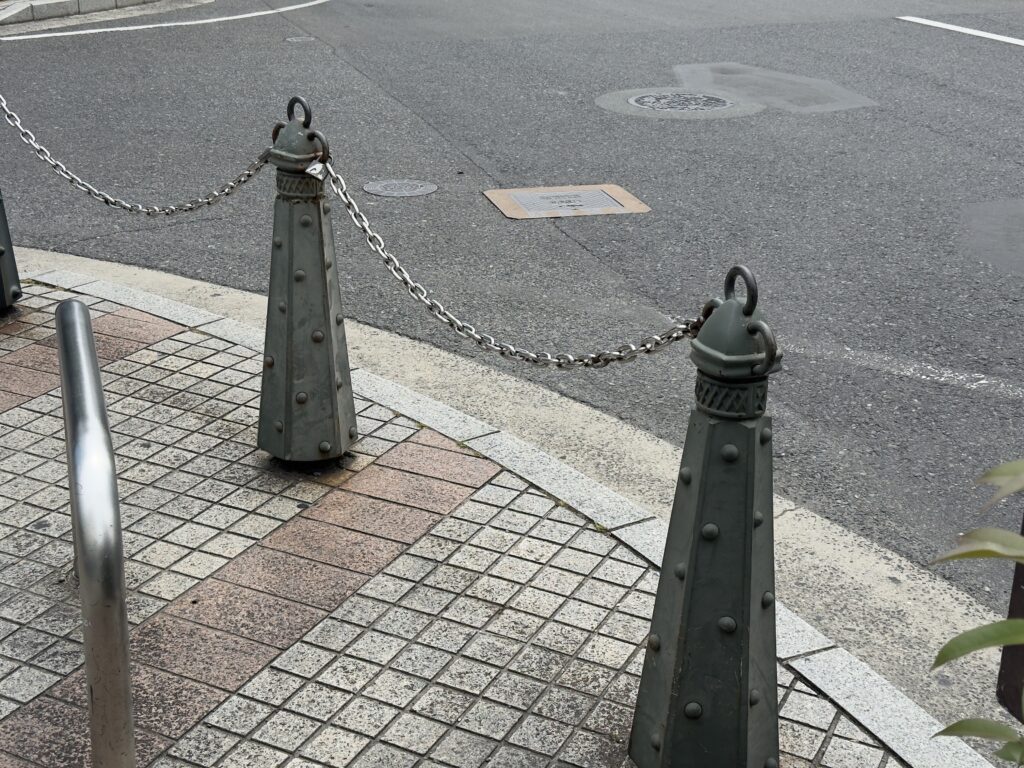
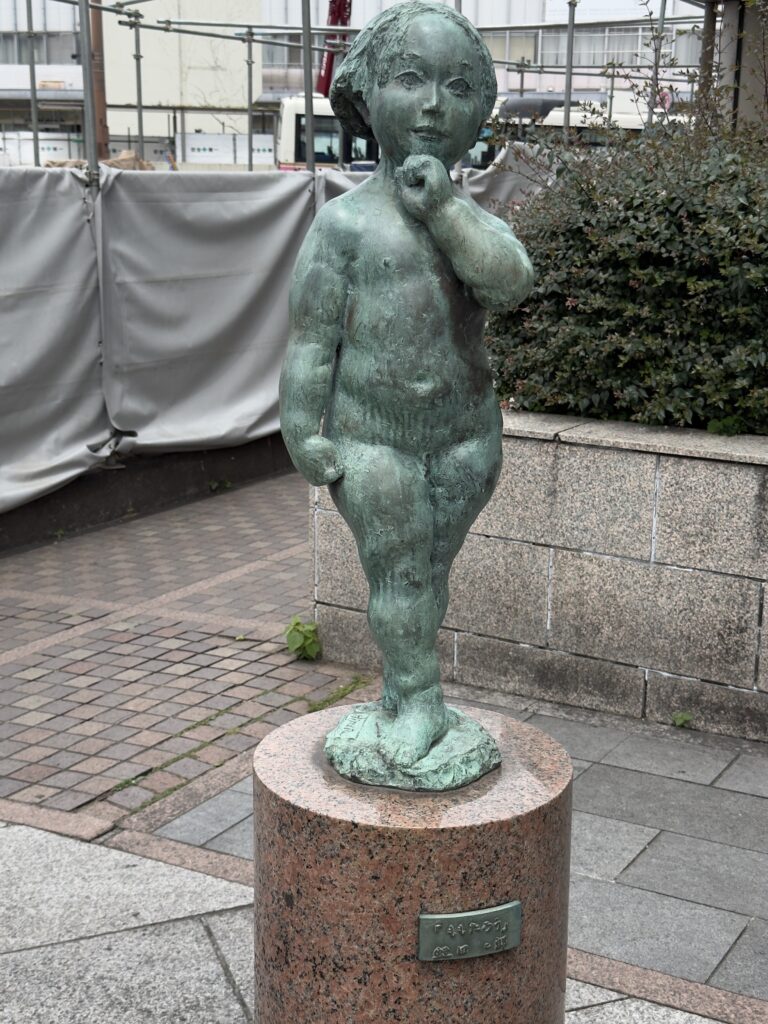
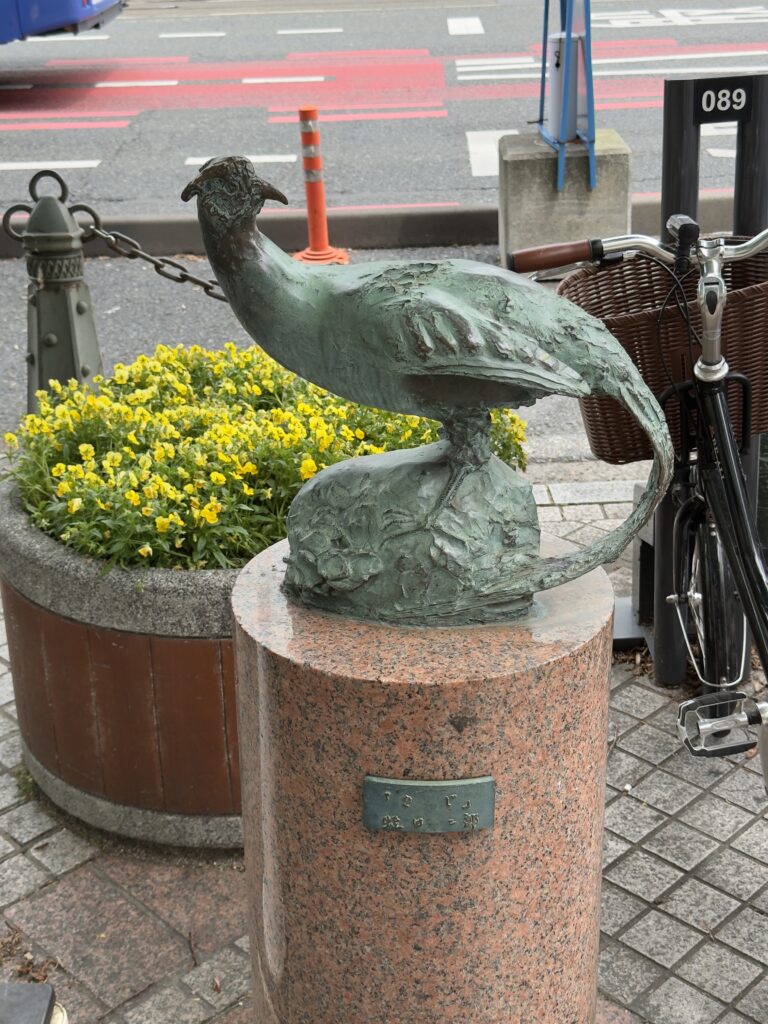
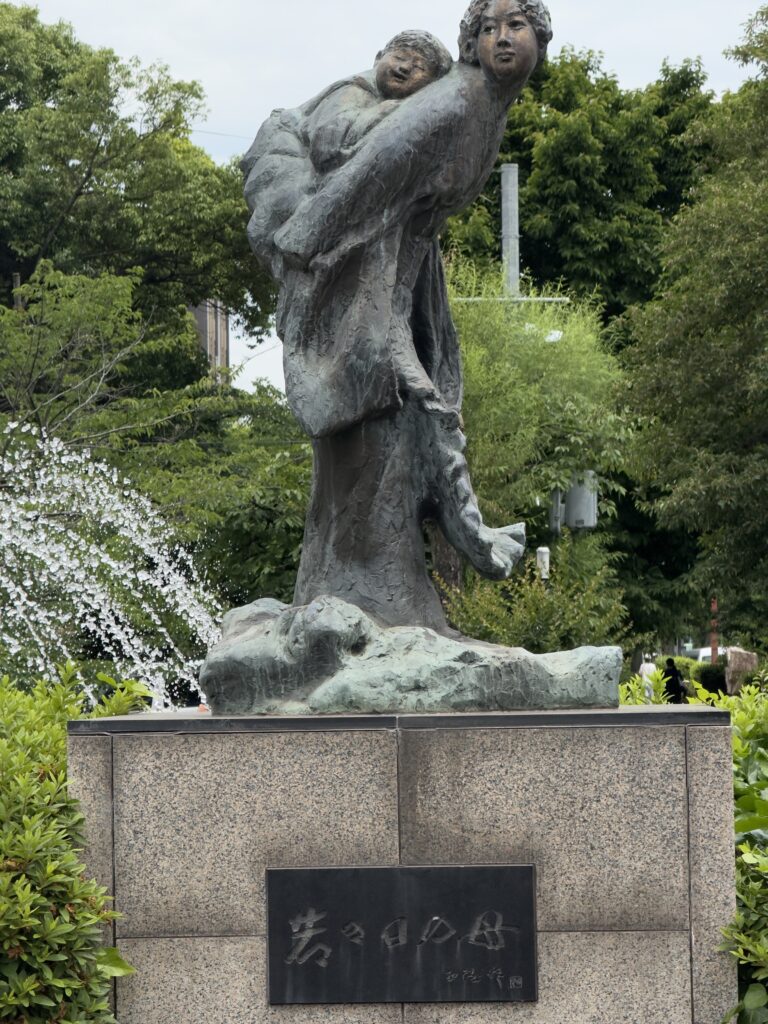
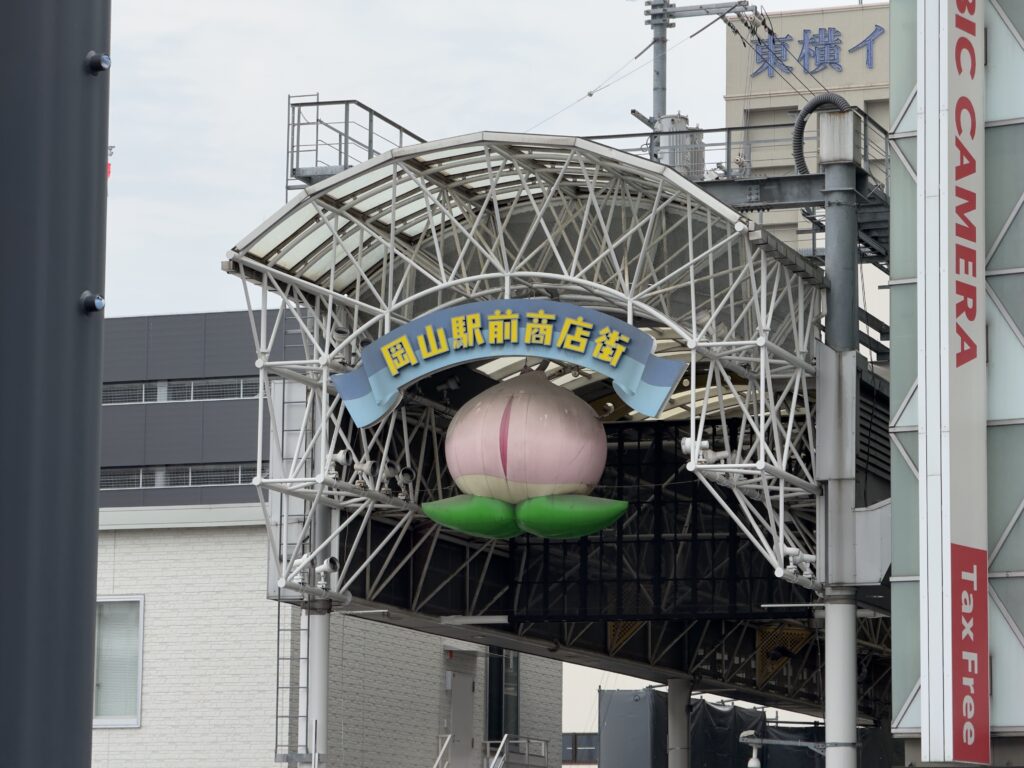
Leaving Hotel WG after two nights, we went back to Momotaro Avenue in the city center to look for Momotaro and his companions to say goodbye.
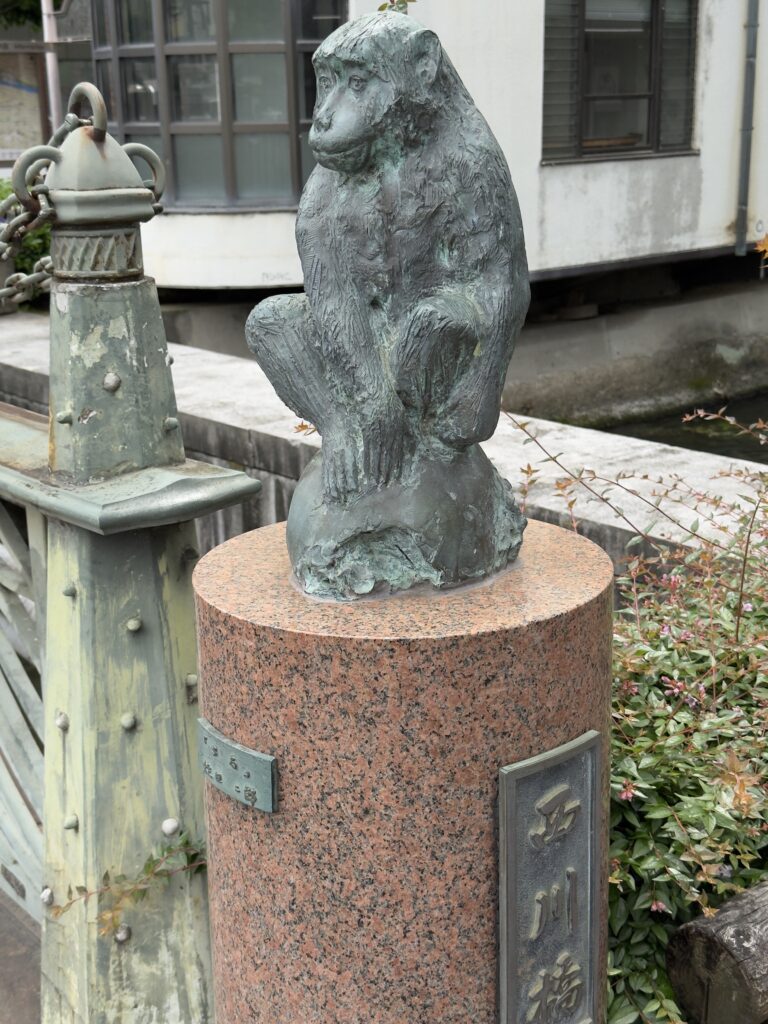
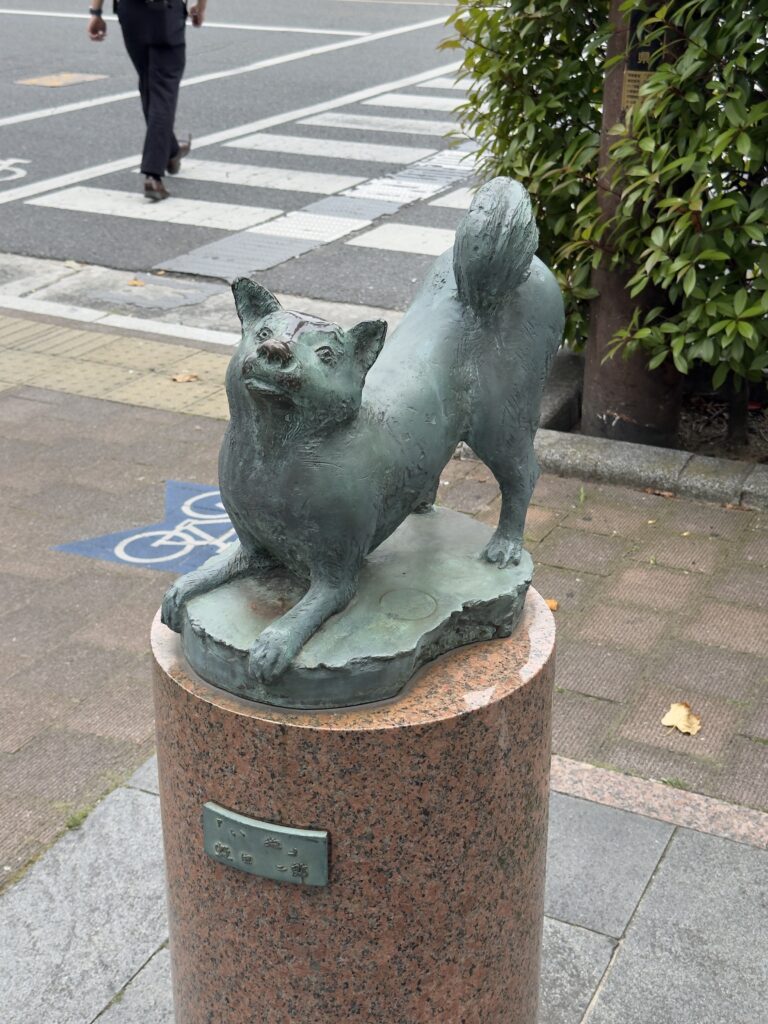
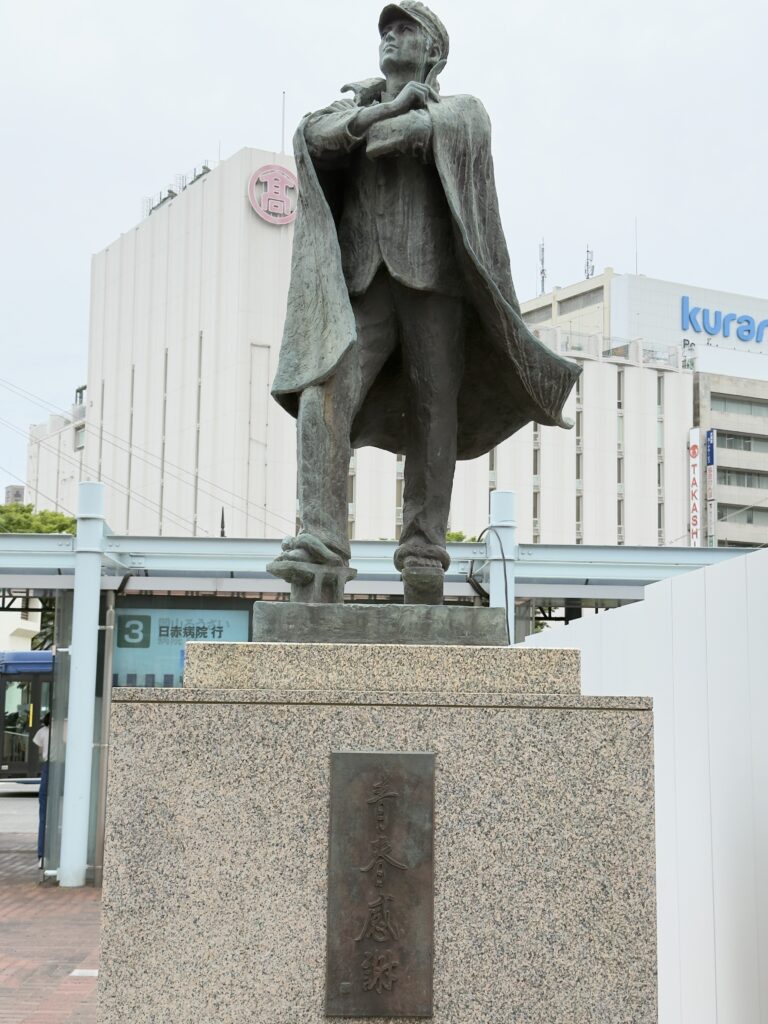
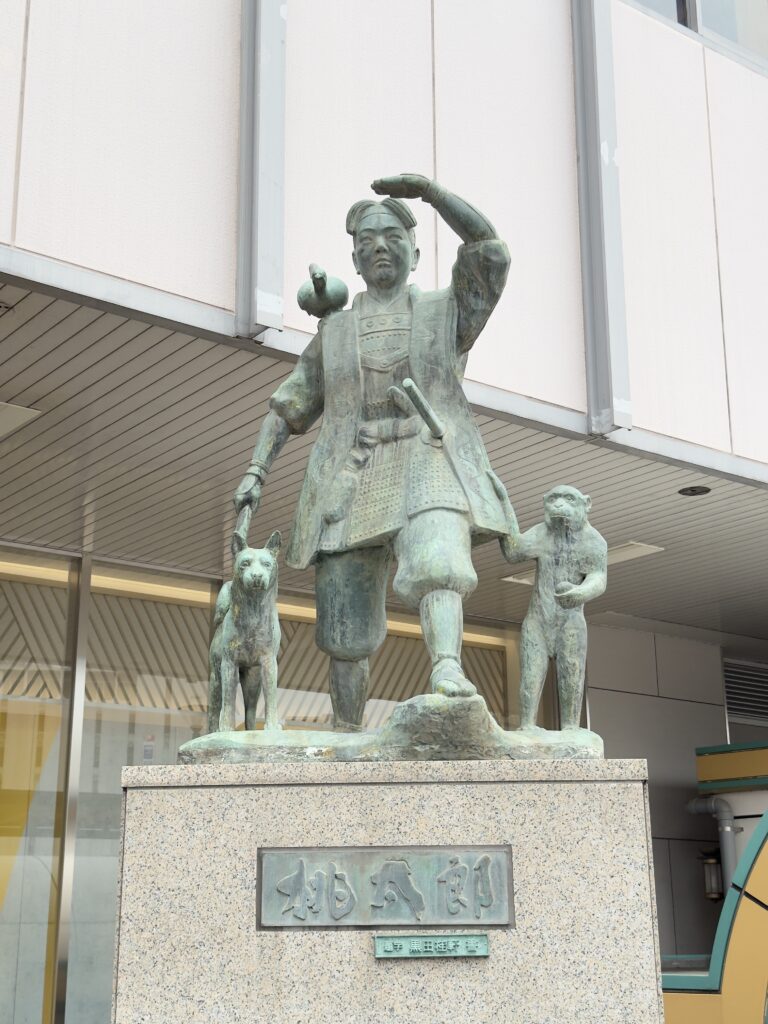
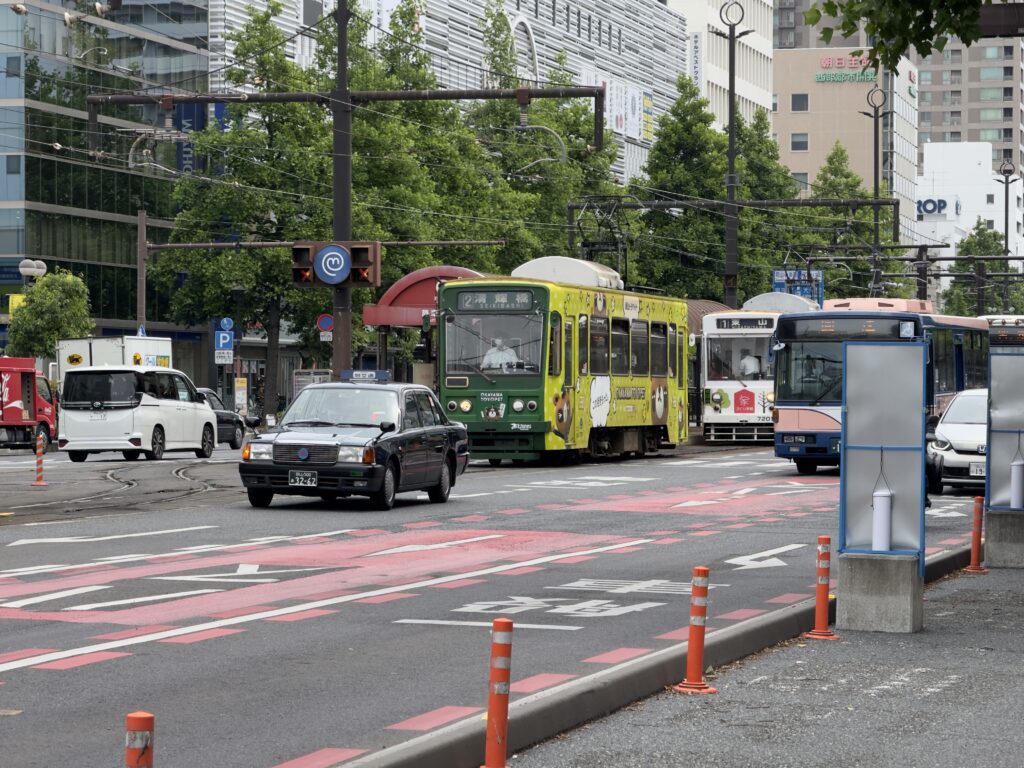
The Okayama Trams
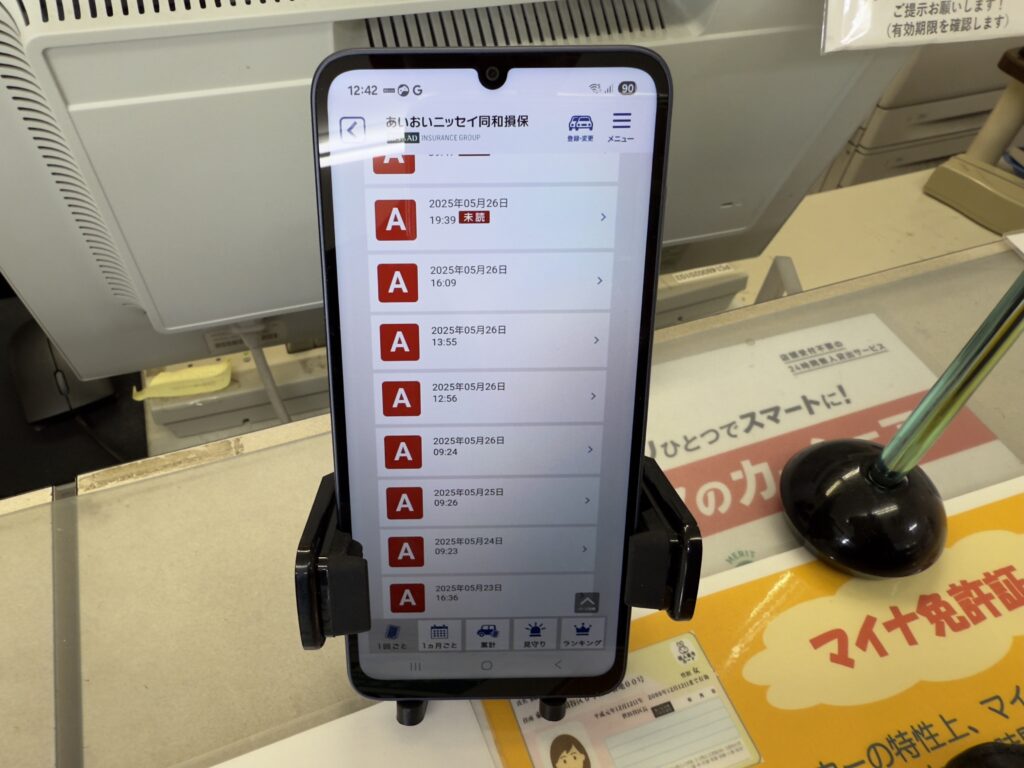
After our visit, it was time to face reality and prepare to return to Taiwan. First, we drove to the Toyota location near Momotaro Airport to return the car. Since we also rented a navigation device/smartphone that recorded our driving behavior, and we mainly received “A” ratings over the past few days, we were awarded a traffic safety omamori and a model car as prizes.
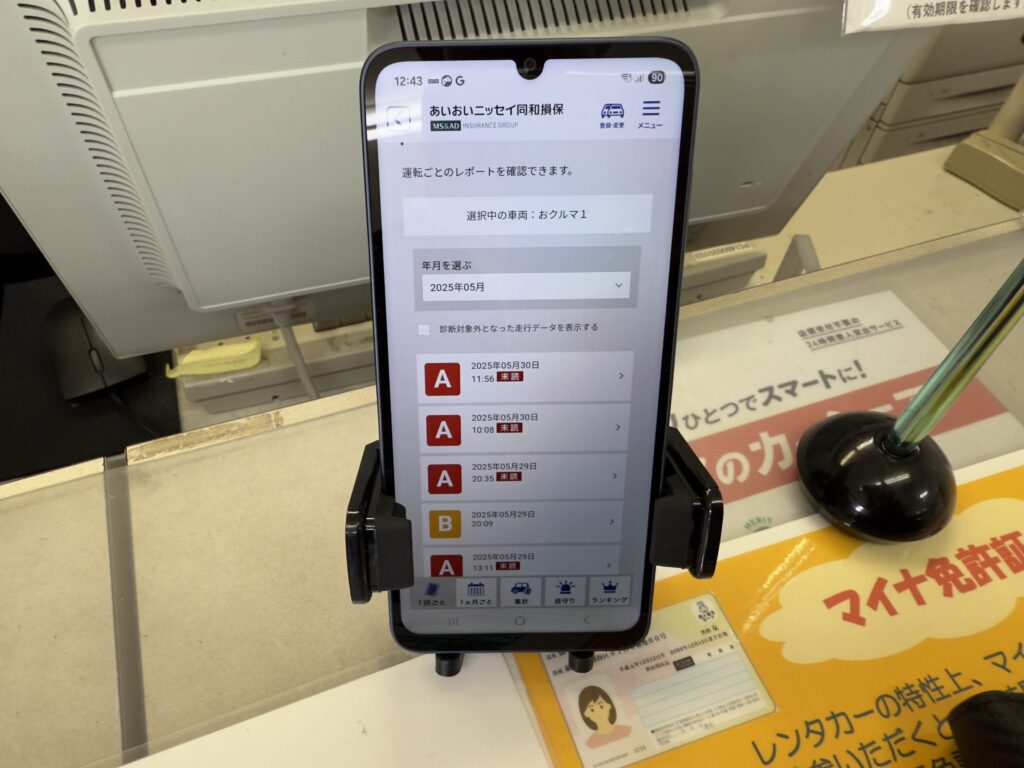
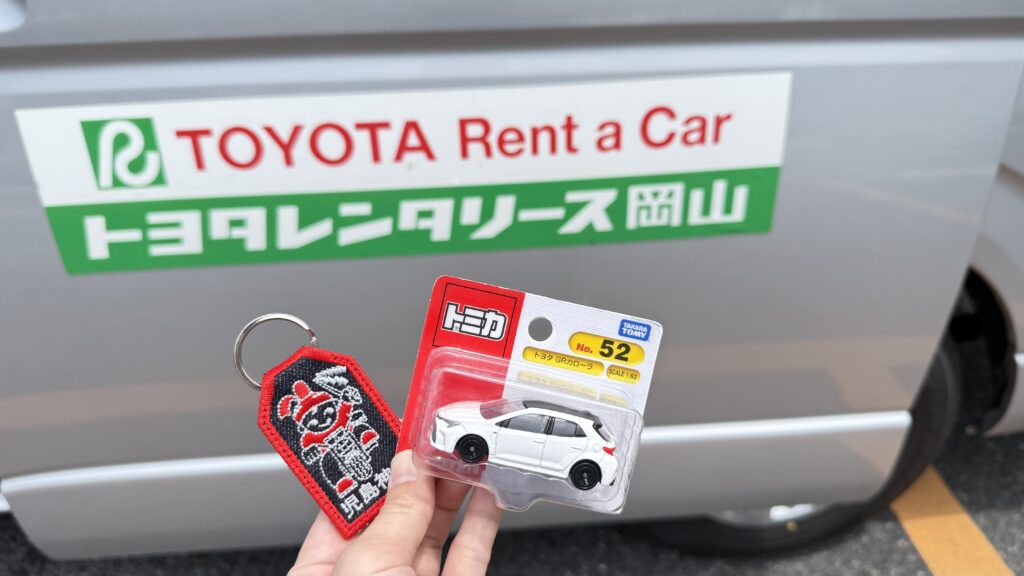
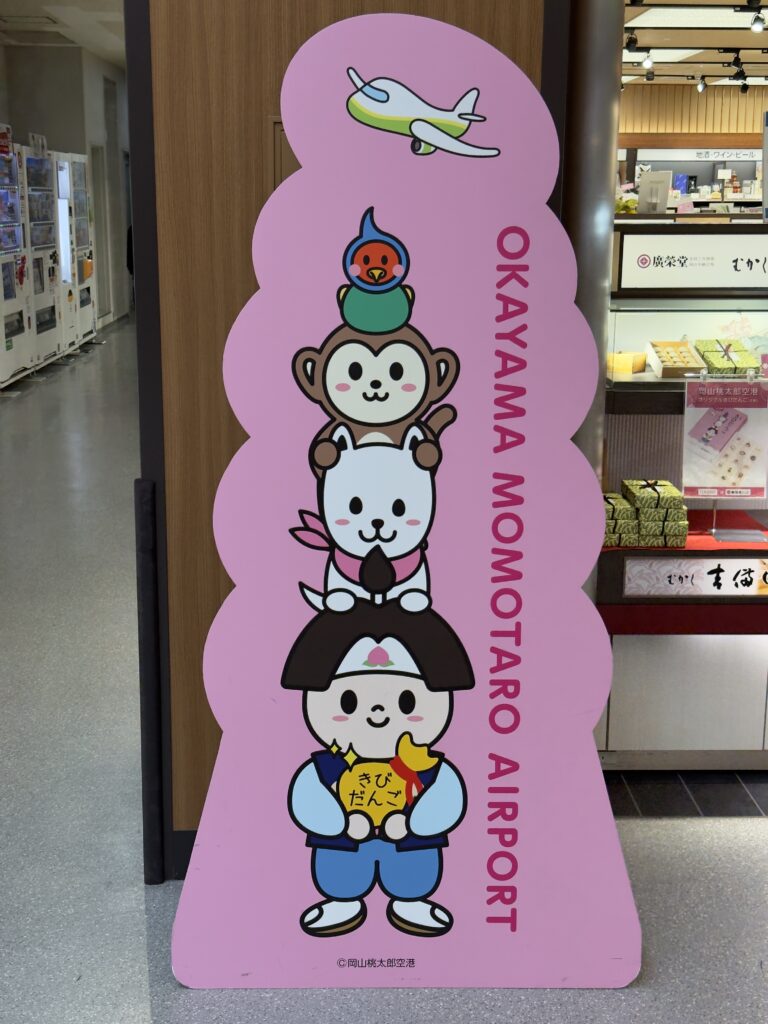
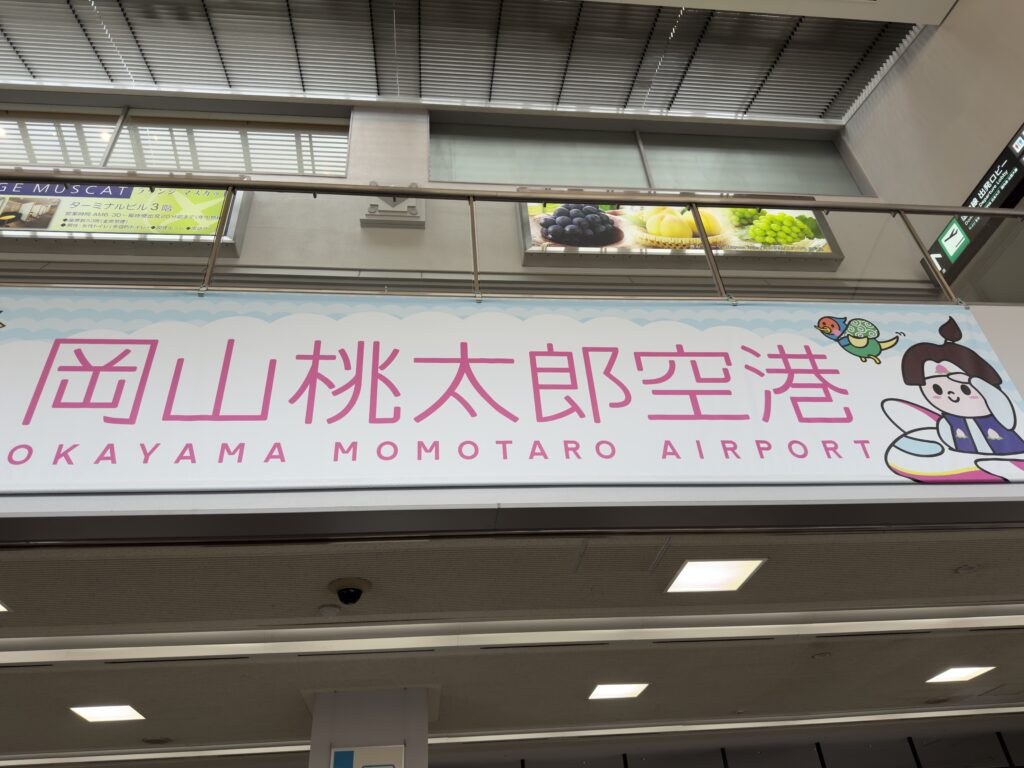
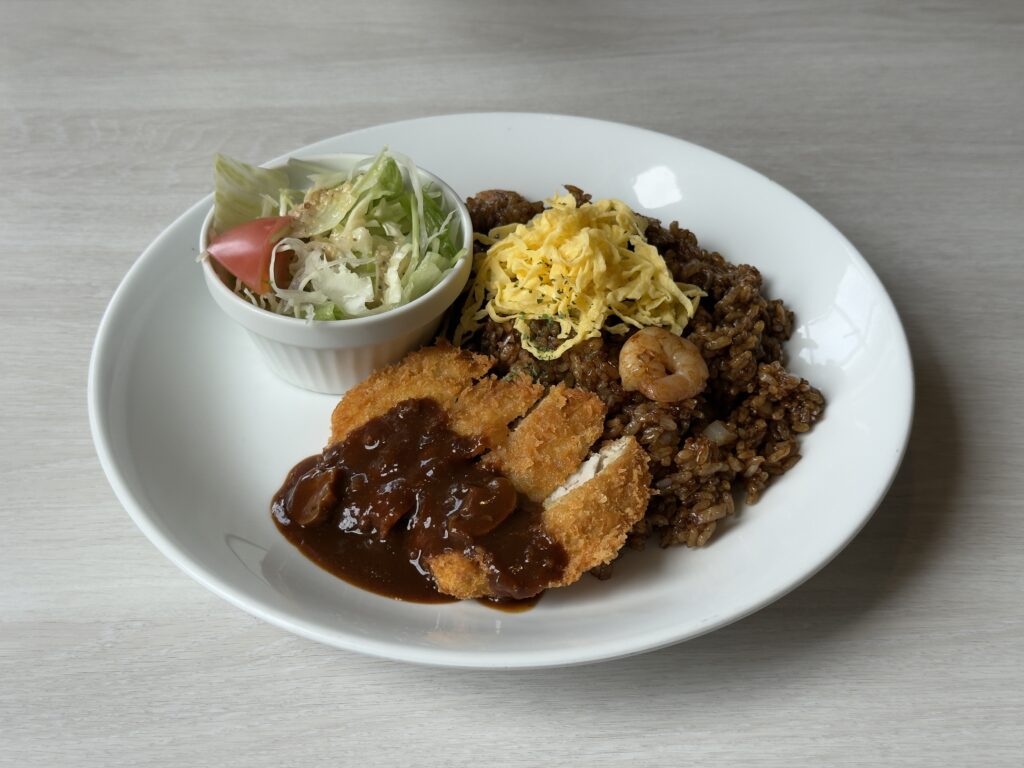
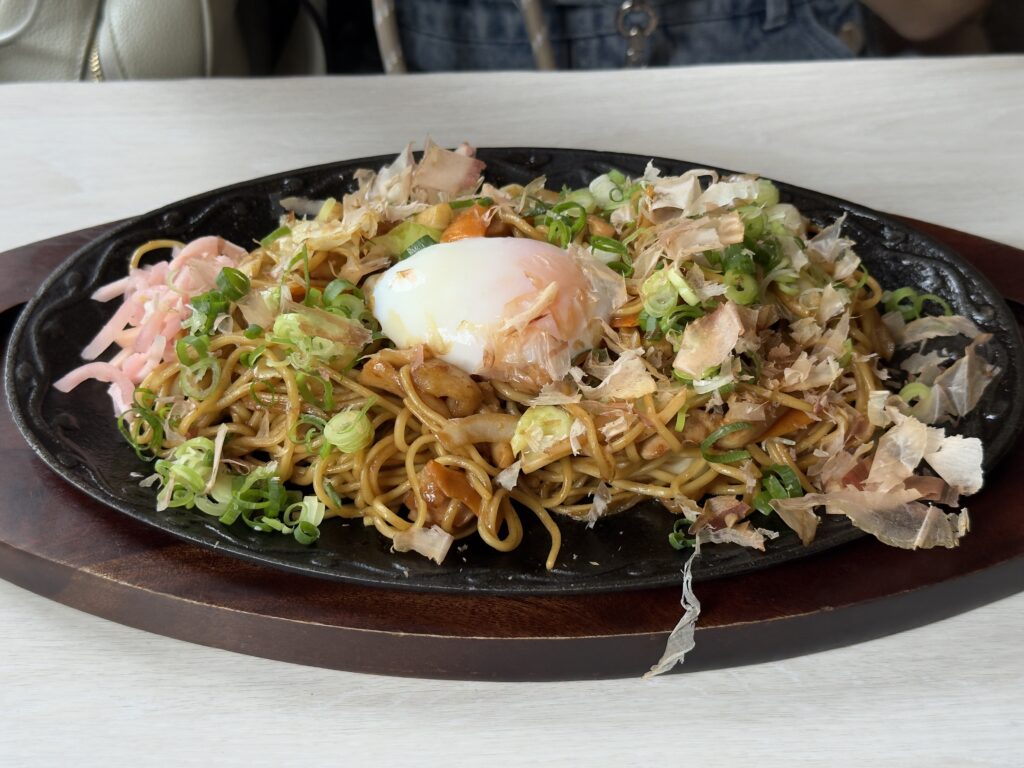
After the car return was complete, we took their shuttle bus to Momotaro Airport, snapped a few last photos of Momotaro, found a restaurant to leisurely grab a final meal, and then boarded the plane for home.