
Introduction
The San’in and Sanyo regions, collectively known as Japan’s Chugoku region, form the westernmost part of Honshu island. This area is brimming with mythological legends and iconic anime pilgrimage sites, featuring characters like Momotaro, Detective Conan, and Kitaro of GeGeGe no Kitaro. We’re excited to take you on a journey to explore these sacred spots. Our eight-day itinerary will be introduced in three separate parts, with this first installment covering the initial two days of your trip.
You can also watch the video directly!
Day 1: Taiwan Taoyuan → Okayama Momotaro Airport → Seto Ohashi Bridge
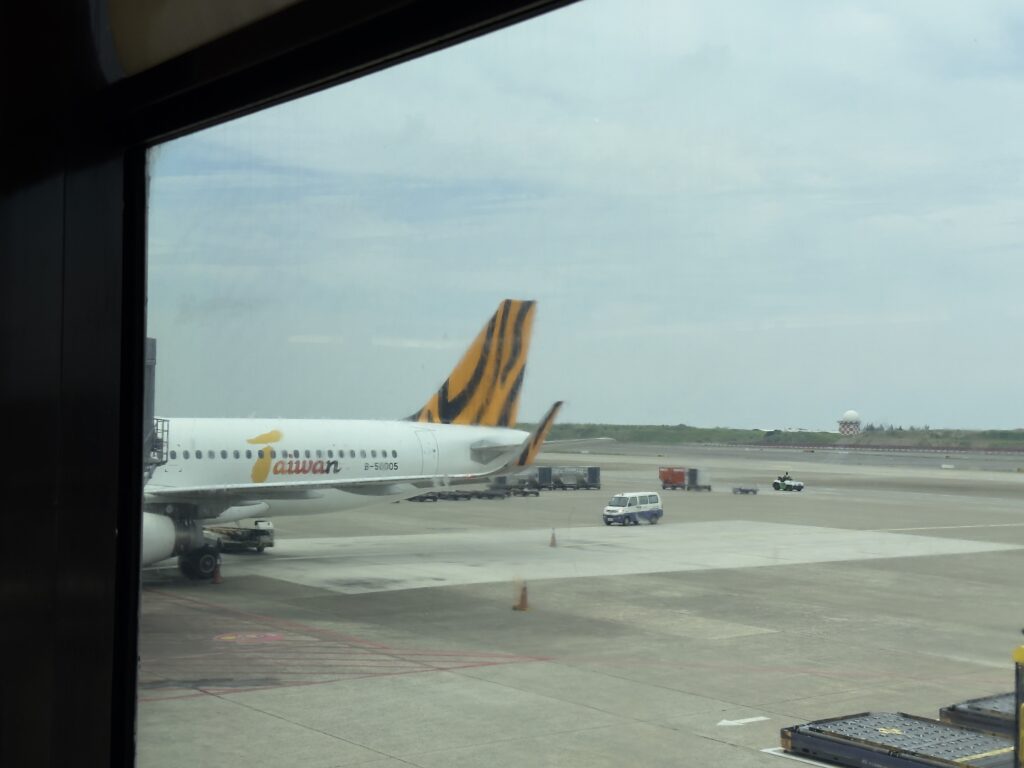
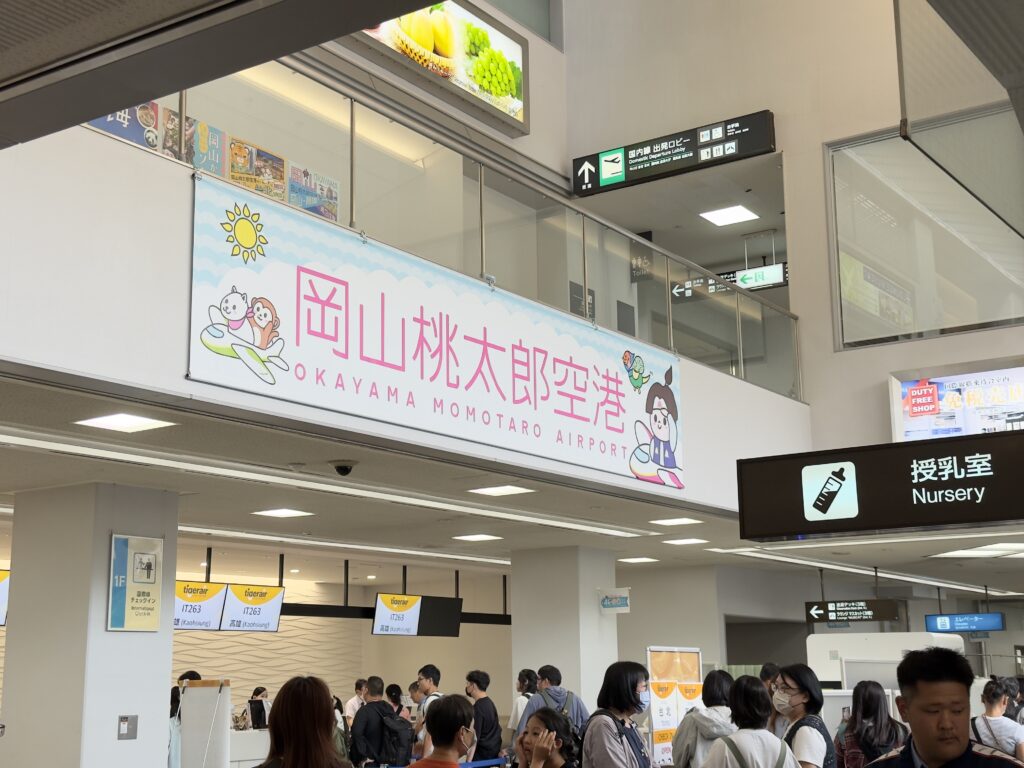
Our outbound flight, originally scheduled for 11:30 AM, was delayed by about 50 minutes. Because of this, shortly after arriving at Okayama Momotaro Airport, we headed straight to Toyota Rent-a-Car to pick up our rental car.
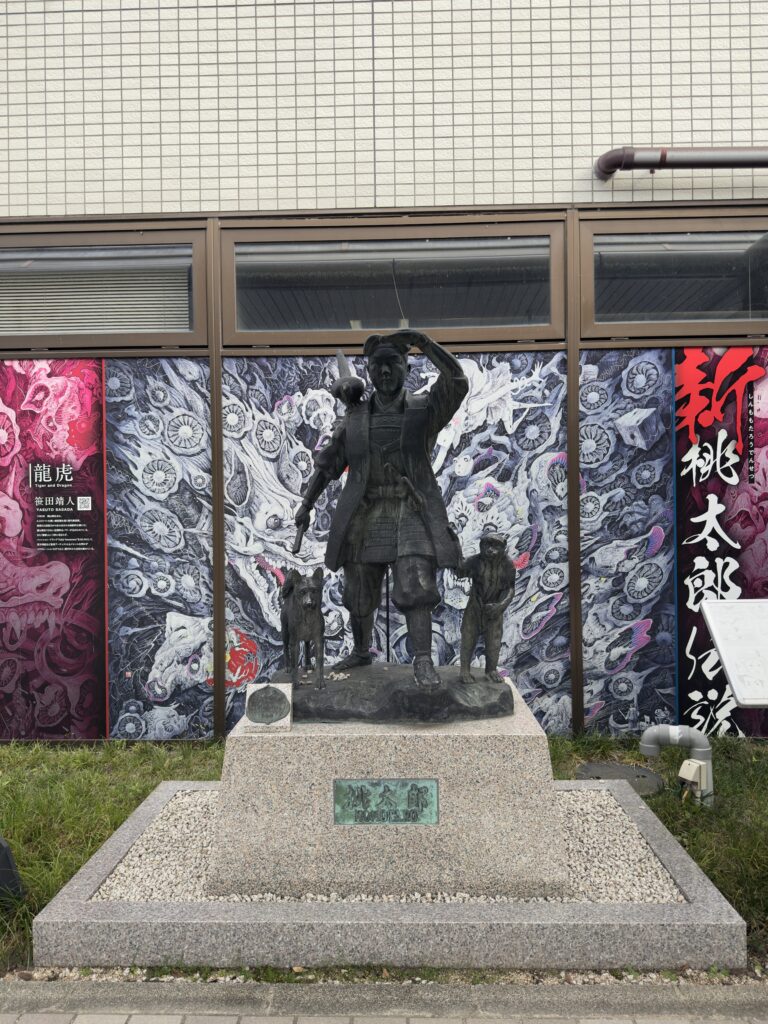
Okayama is famous as the origin of Japan’s well-known folk tale, Momotaro. You’ll find Momotaro-related items everywhere in Okayama. For instance, right outside the airport exit, there’s a statue of Momotaro with the dog, monkey, and pheasant he befriended. Our return flight also departs from Okayama Airport, so we plan to thoroughly explore the airport’s interior on our last day.

You can pick up your pre-booked car from Toyota Rent-a-Car, which is not far from the airport. You can either walk or take their shuttle bus there.
The service staff asked if we’d like to try out a free rental navigation smartphone. It has an app that provides navigation and records driving behavior for a score. If your average score is good, you’ll receive a small gift. It seems like this is still in the promotional stage, as I couldn’t find much information online about renting this device. So, we decided to give it a try. In practice, though, I used my own phone for navigation, and just kept their rental device on to record my driving behavior.
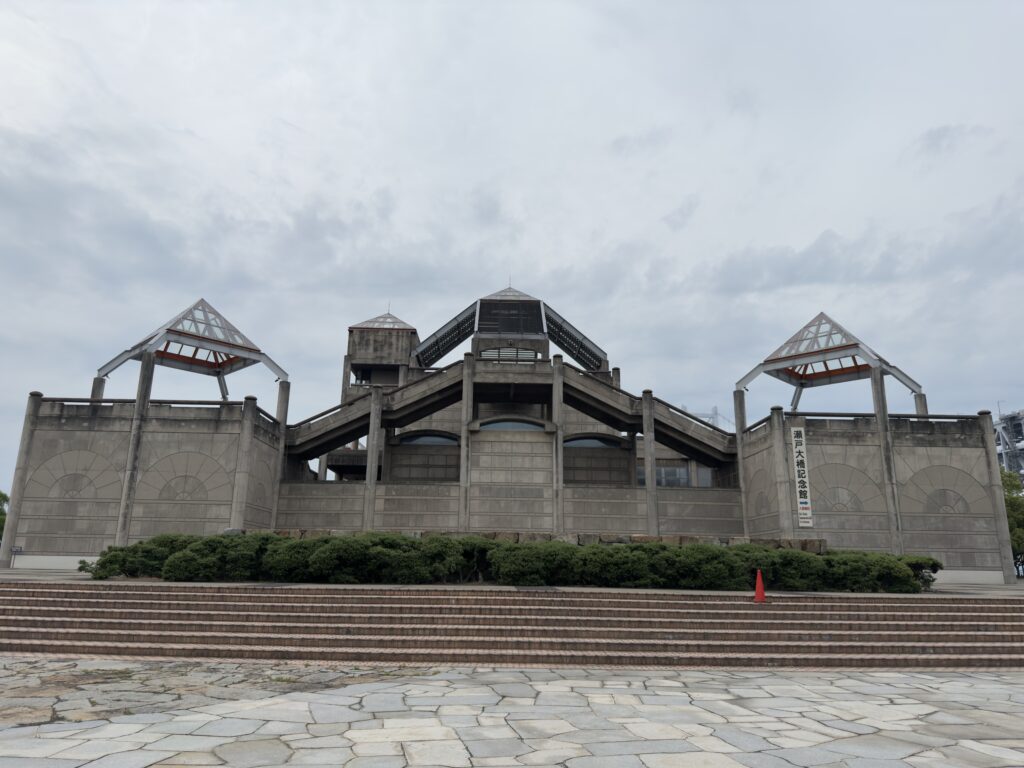
We drove from the car rental location to the Seto Ohashi Memorial Park, which took about 1 hour and 10 minutes, arriving around 4:40 PM. Our visit coincided with the Setouchi Triennale 2025, an art exhibition that blends contemporary art, local culture, and natural scenery. Held every three years since 2010, it showcases artworks from around the world.
The Setouchi Triennale is divided into three seasons: spring, summer, and autumn. During the spring period, many of the related art installations are located in the island areas connected to the Seto Ohashi Bridge by land, with some areas featuring exhibits throughout the entire festival. Some works require tickets or even trips to various islands to visit.
We explored several free outdoor spots around the Seto Ohashi Memorial Park. The indoor attractions close at 5:00 PM, so planning about an hour to see the surrounding outdoor area was just right.
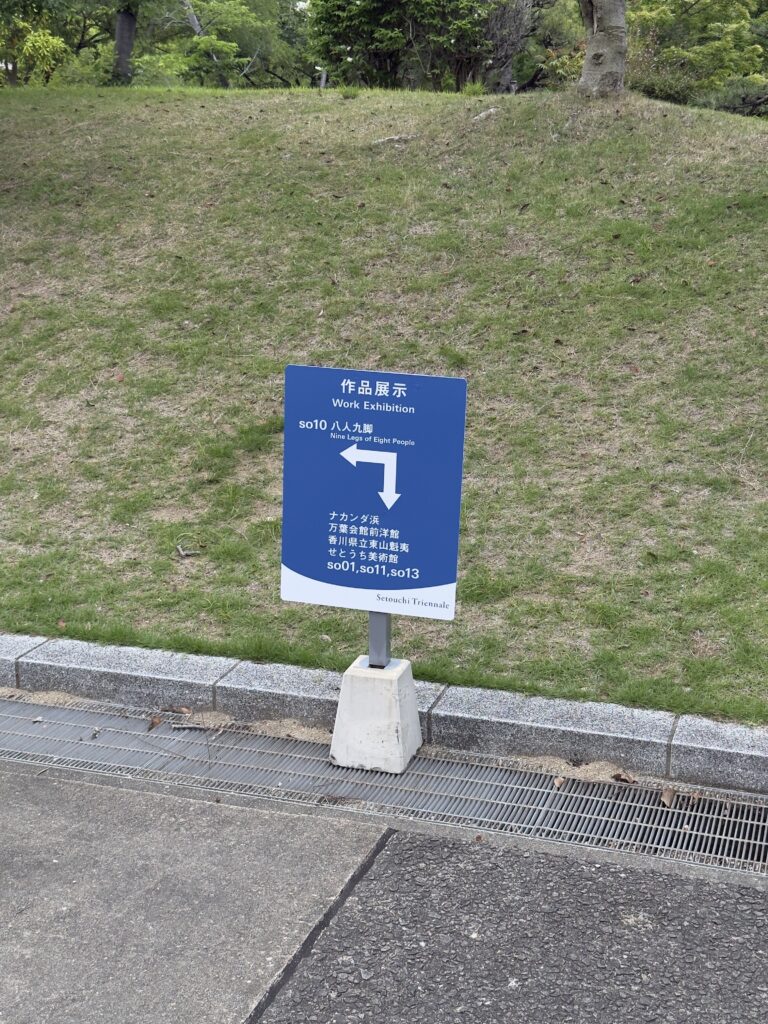
If there’s an artwork nearby, you’ll see this sign. It displays the artwork’s name and its location.
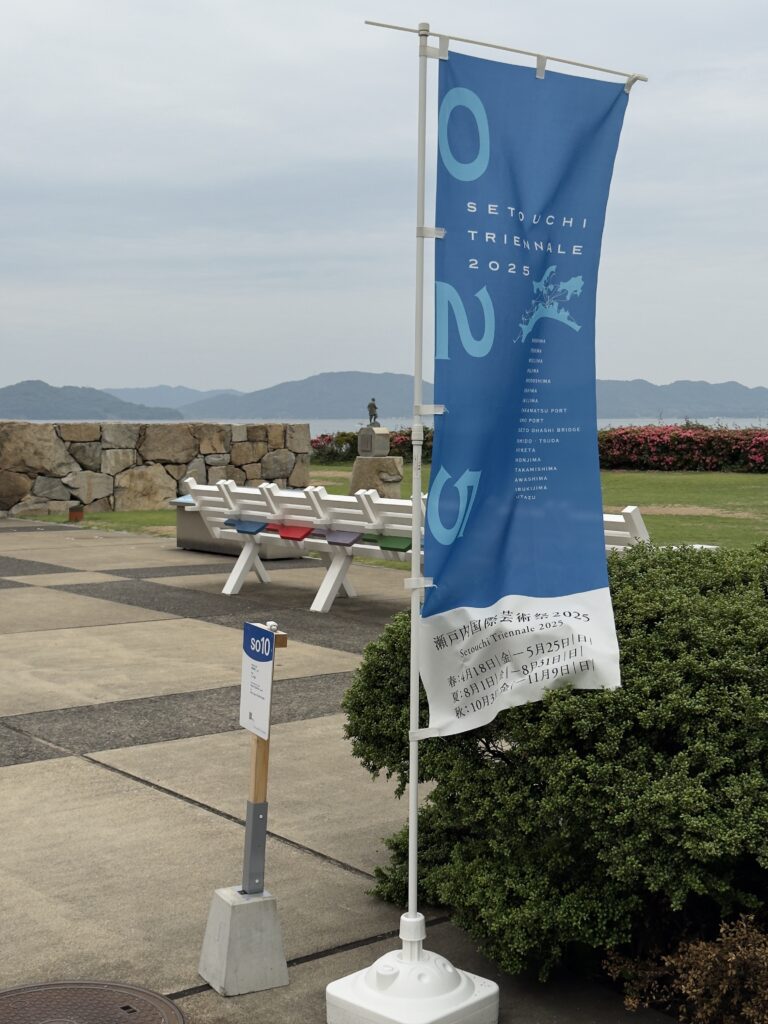
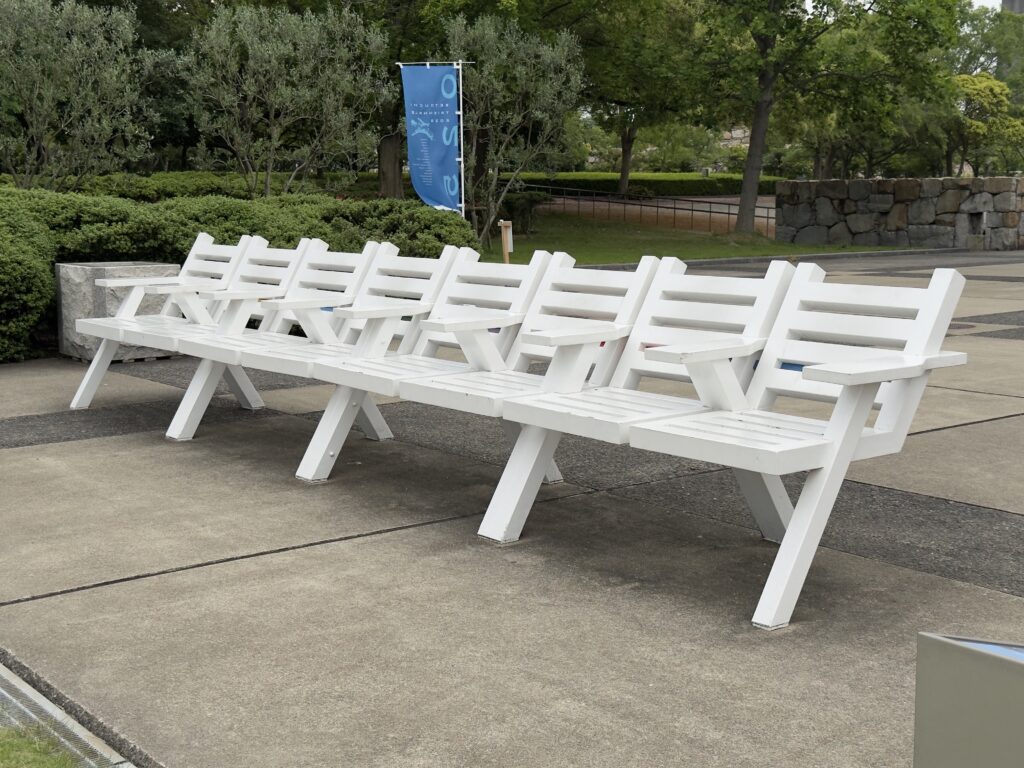
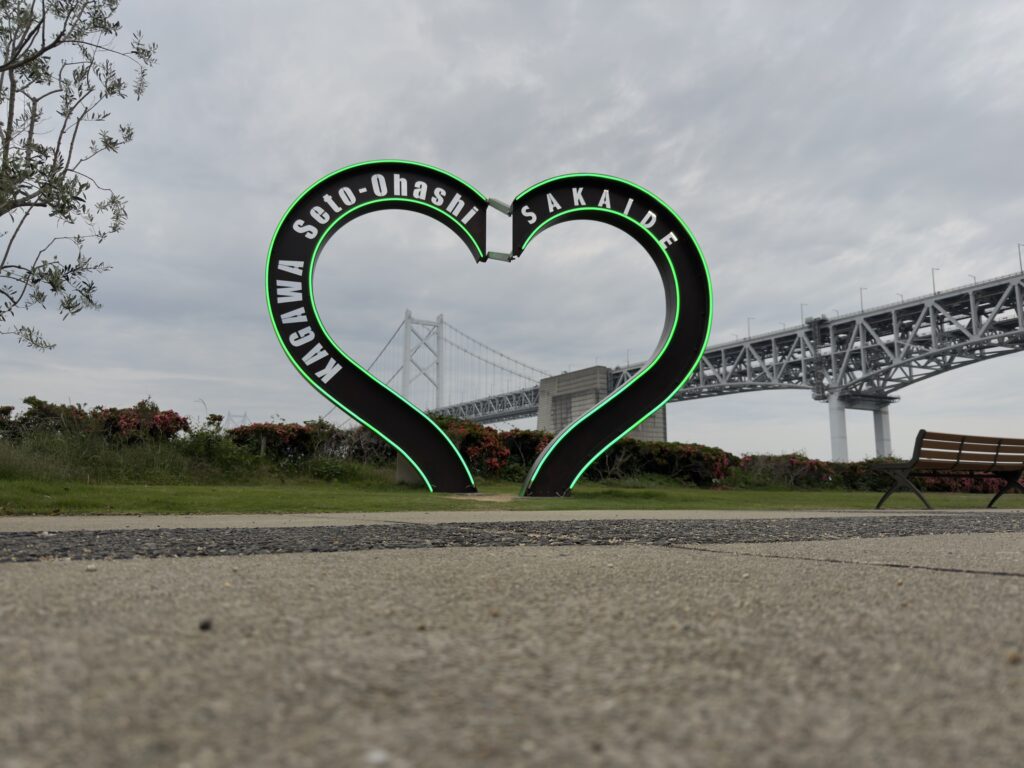
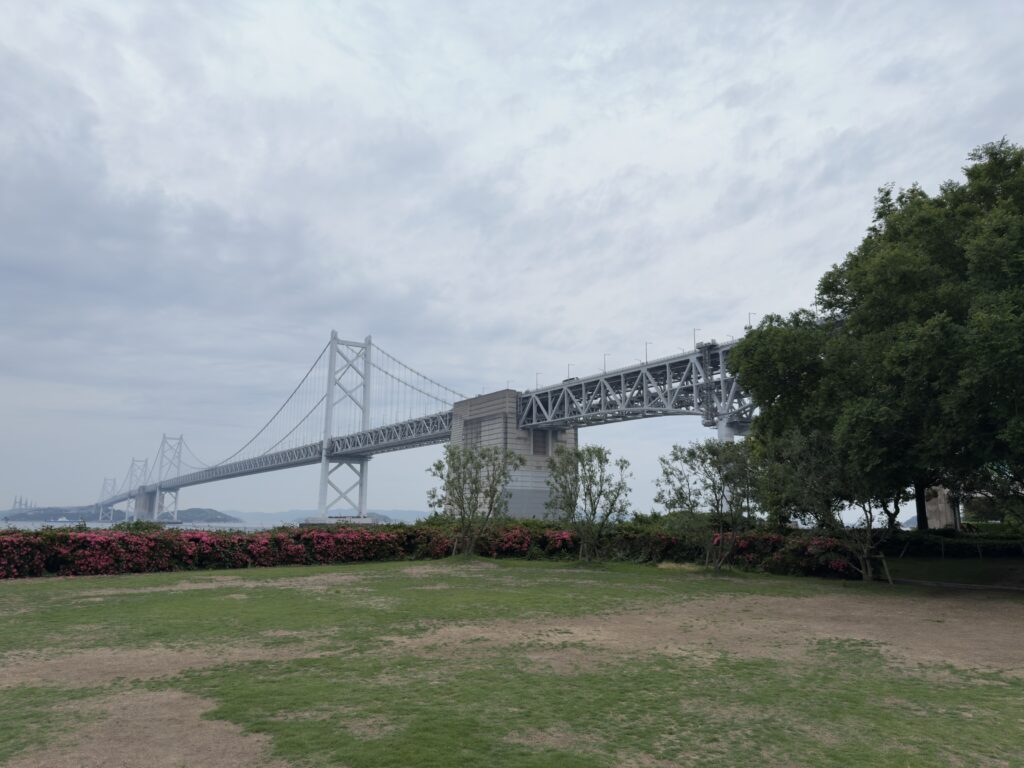
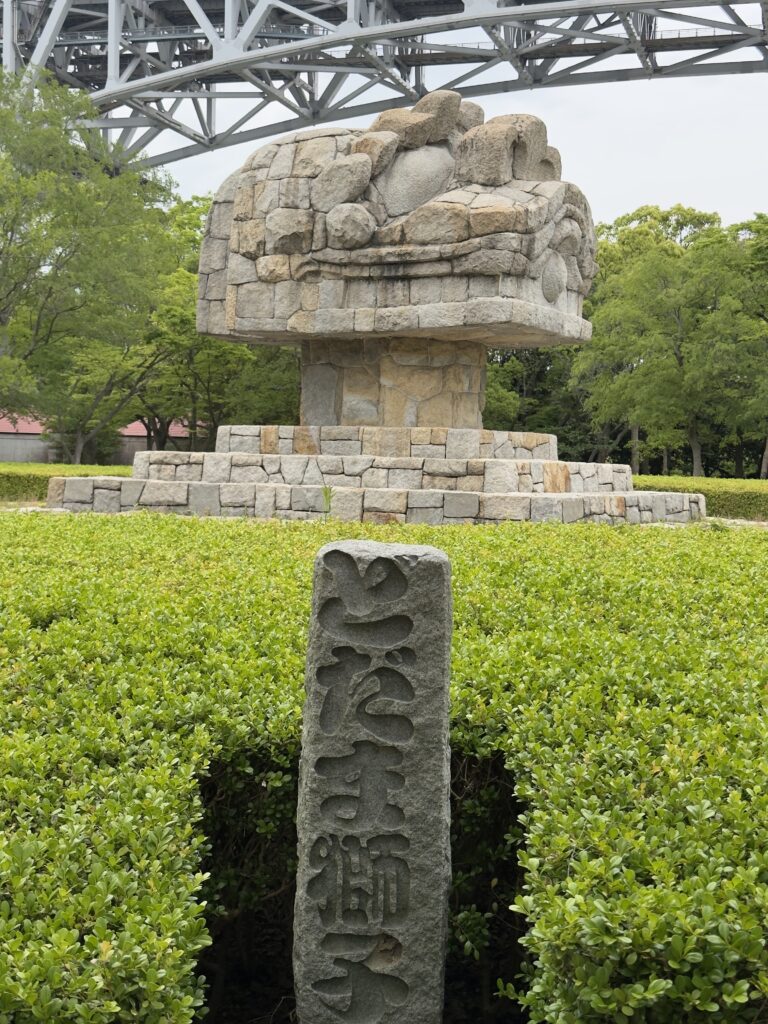
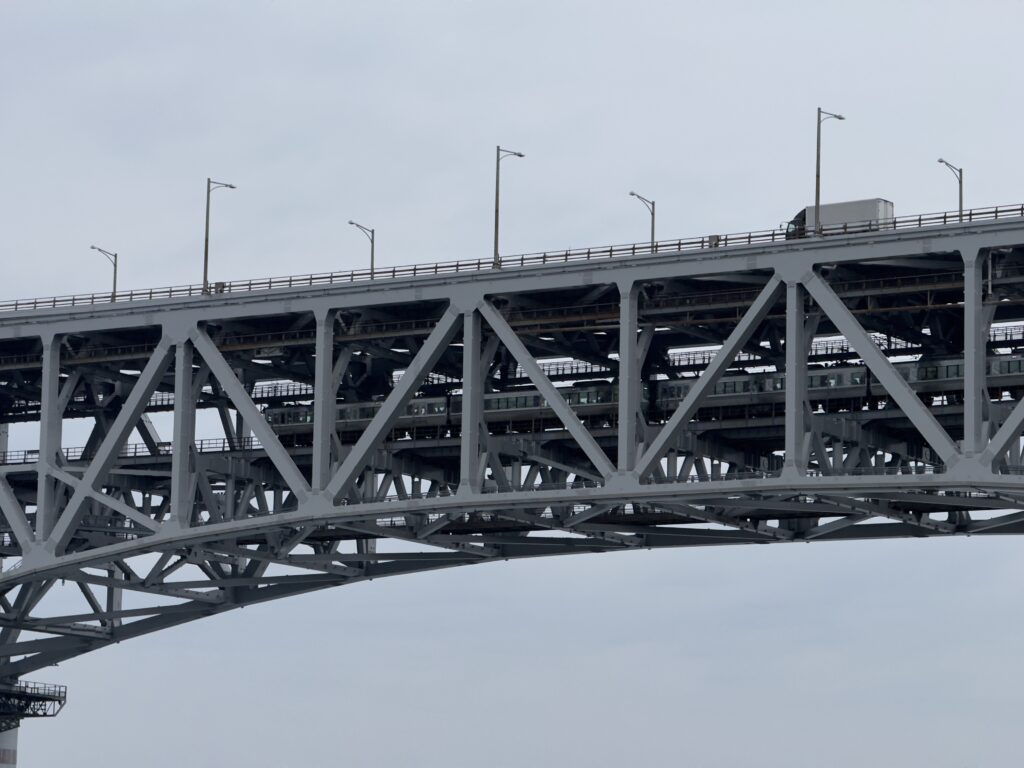
You can see that the Seto Ohashi Bridge is a double-deck bridge used for both roads and railways. The upper deckcarries the Seto-Chuo Expressway, which is a 4-lane highway, while the lower deck is for the JR Shikoku Honshi-Bisan Line (nicknamed the Seto Ohashi Line).
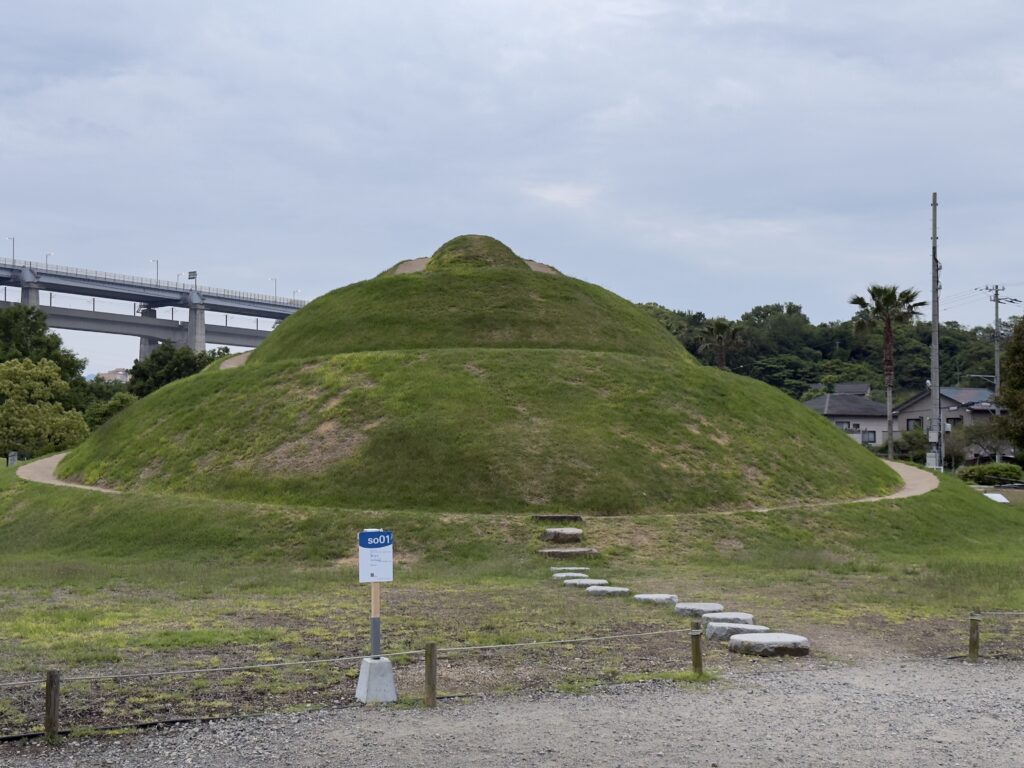
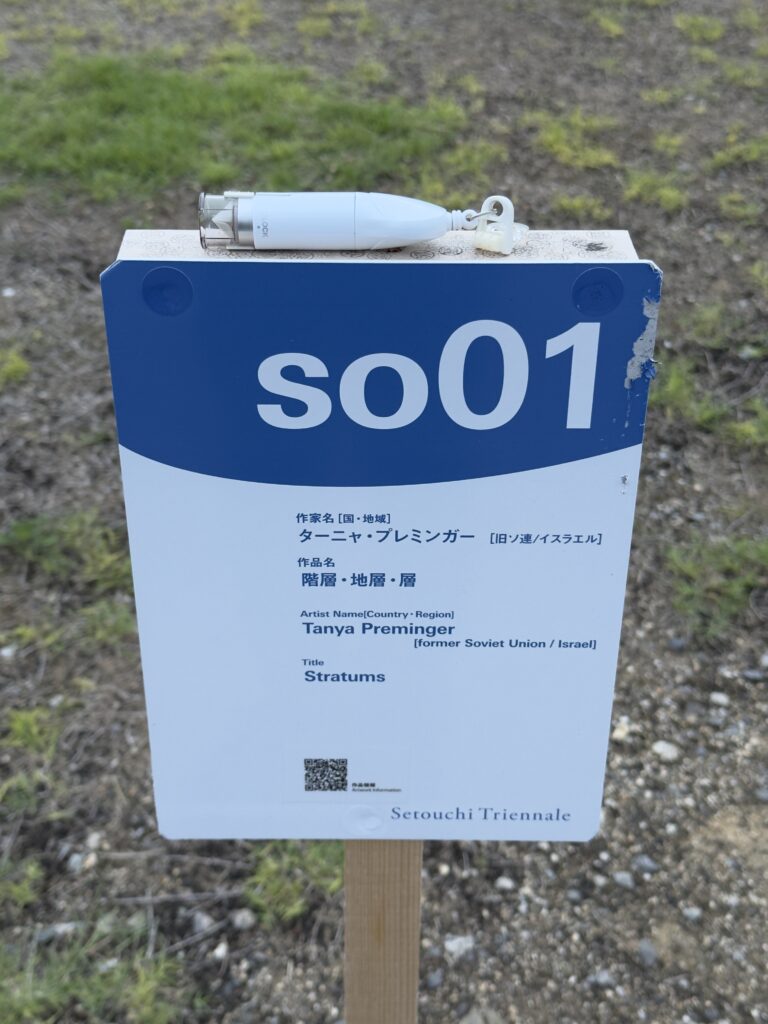
These artworks are best appreciated on a fine day and with plenty of time to truly soak in the artistic and relaxed atmosphere.
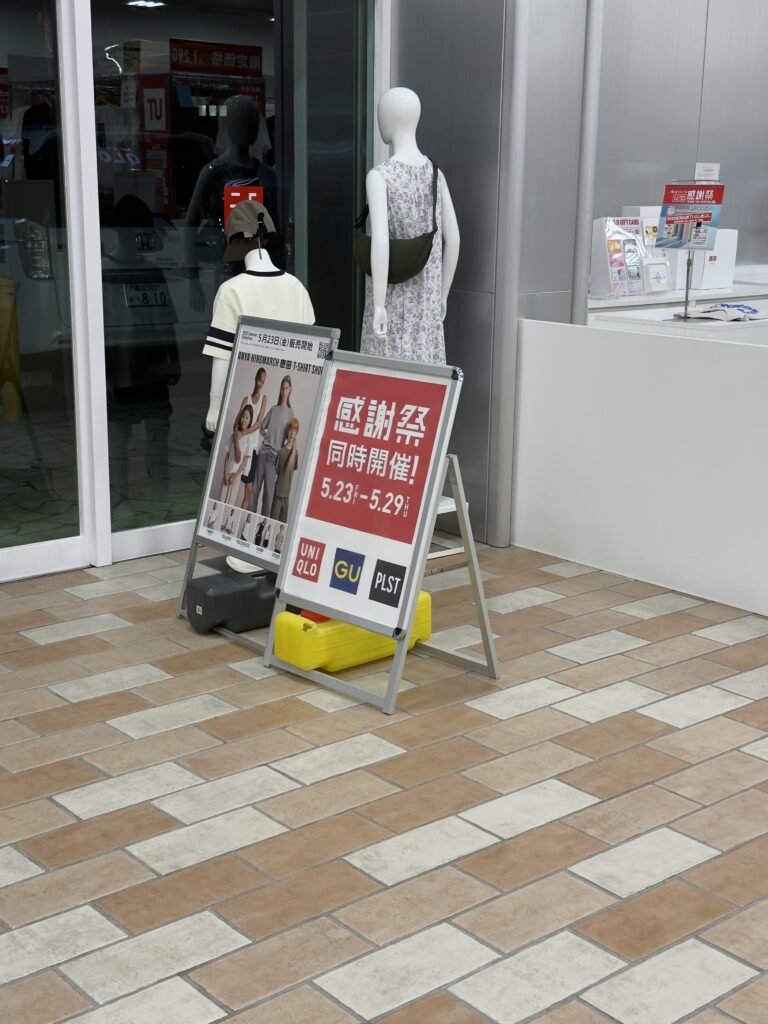
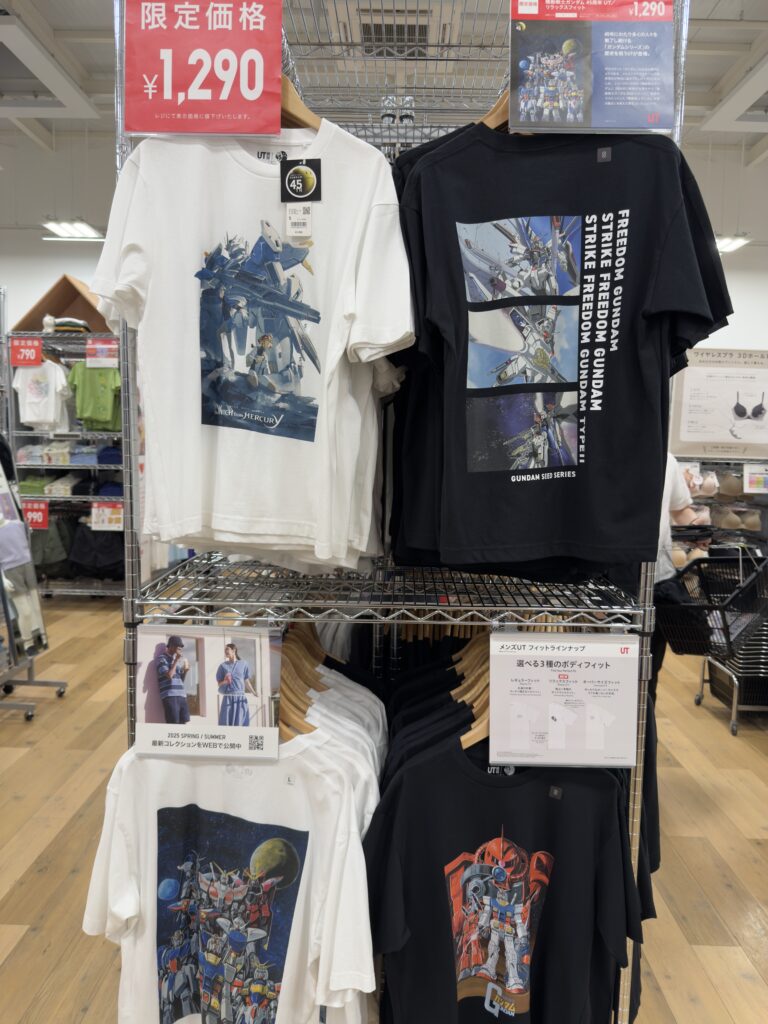
Next up, a stop at Uniqlo! With the Taiwanese dollar appreciating and the Japanese Yen depreciating recently, plus hitting their “Kanshasai” (Anniversary Sale), I, who had only packed enough clothes for four days, naturally had a perfect excuse to shop ’til I dropped.
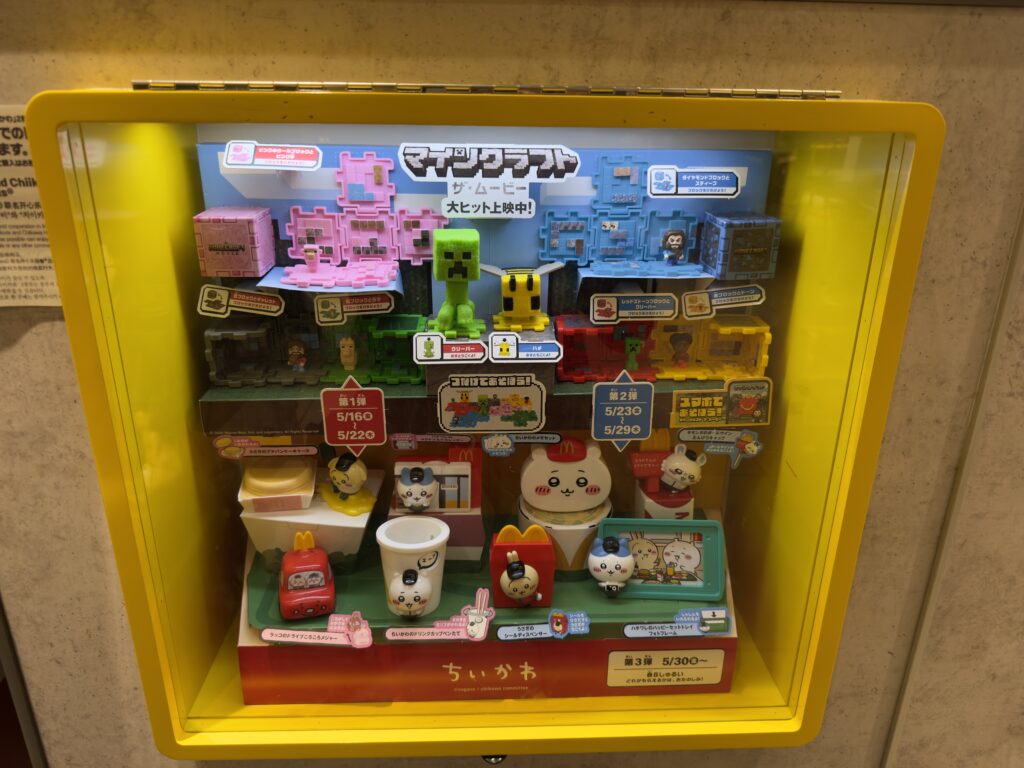
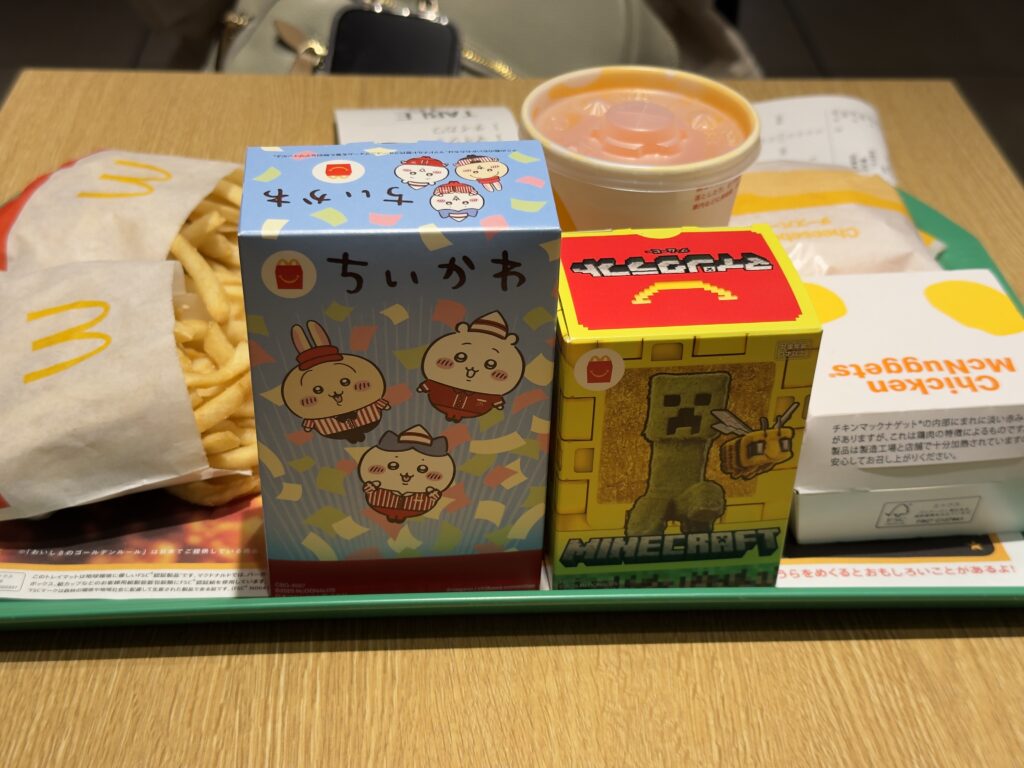
Since our hotel was located near the Setouchi Industrial Zone, there weren’t many dining options around, so we opted for McDonald’s. It was also a perfect chance to jump on the bandwagon and grab the second wave of Minecraft and Chiikawa collaboration toys that come with the kids’ meal.
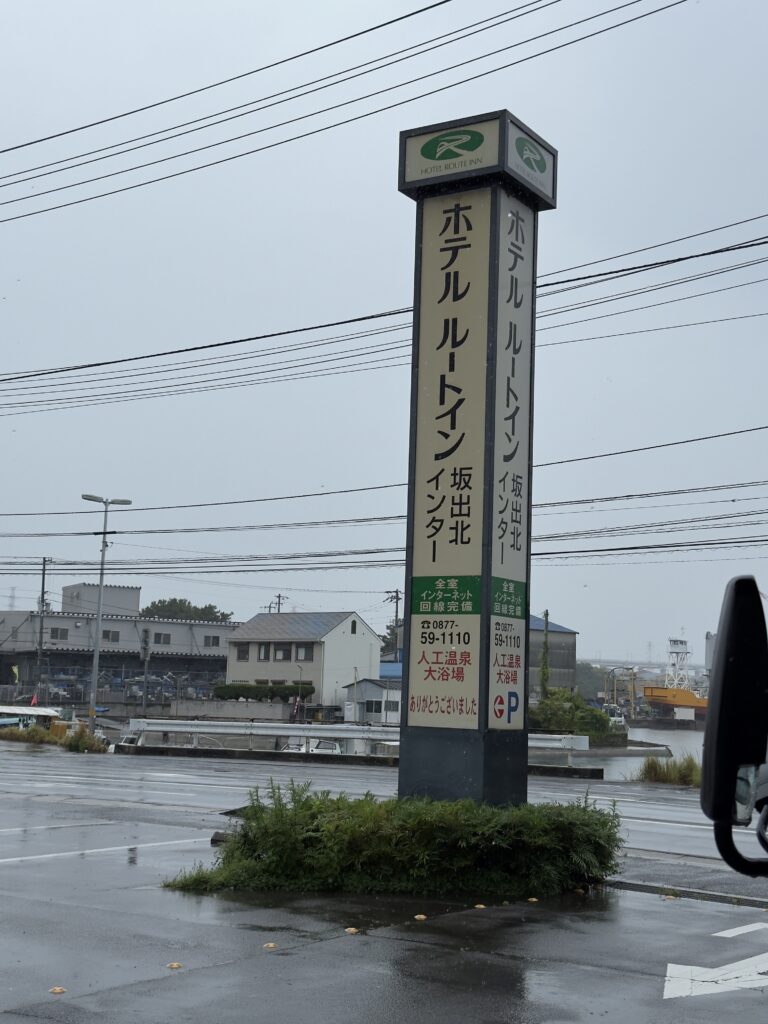
Next, we checked into the HOTEL ROUTE-INN SAKAIDEKITA INTER. It offers a free parking lot, complimentary breakfast, and clean rooms, along with an artificial hot spring, though we didn’t get a chance to try it. There’s also a 7-Eleven right next to the hotel. Overall, it was a perfectly standard and satisfactory stay.
Day 2: Okayama Station Aeon → Misasa Yakushi no Yu Mansuirou
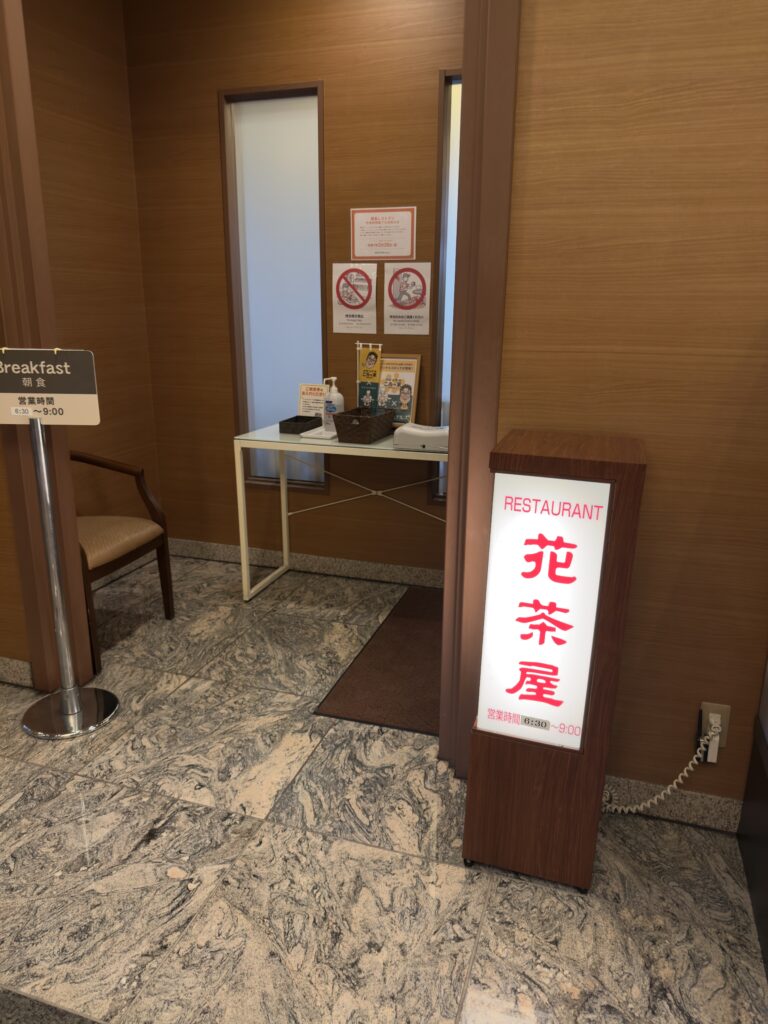
Heading to the restaurant beside the lobby with our breakfast vouchers, what really struck me was the rice cooker. It allowed you to select your desired rice portion size, and with a press of a button, the rice would dispense directly into your bowl—no scooping required!


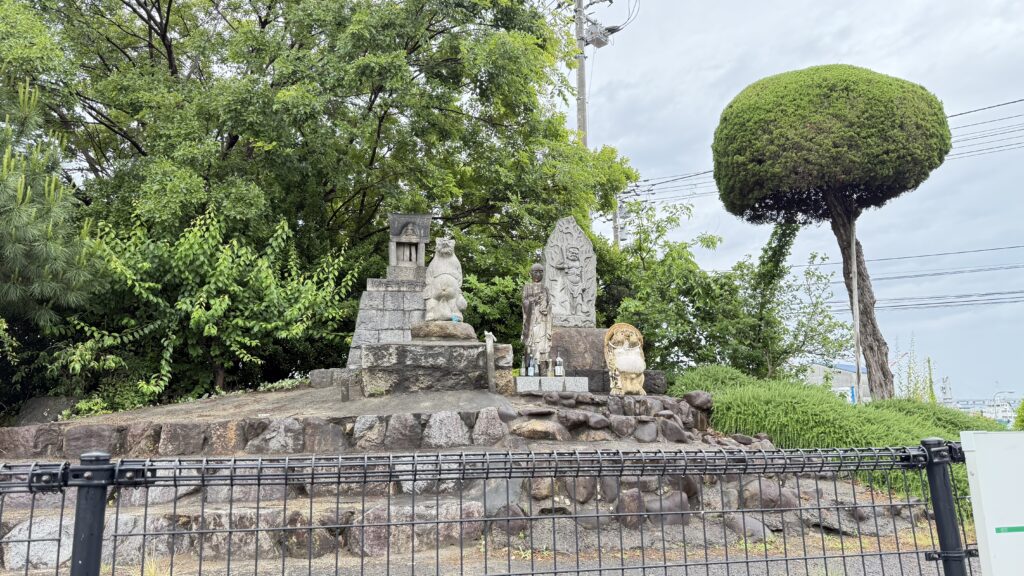
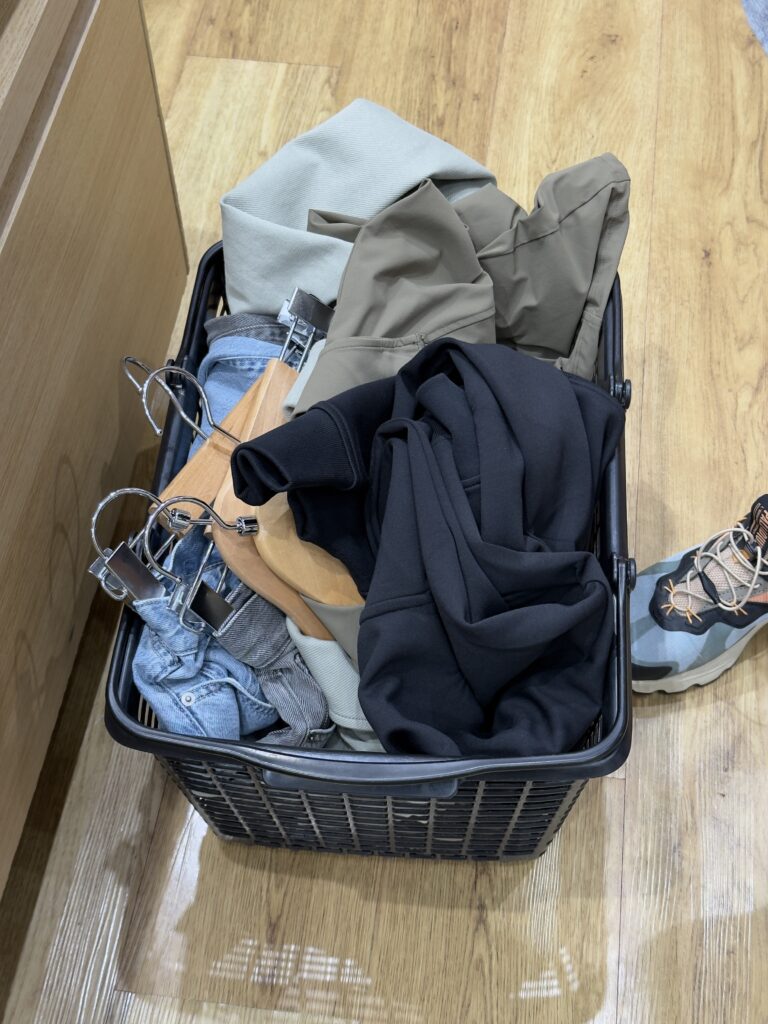
After checking out, it was raining outside. We had originally planned to visit the remaining Setouchi Triennale sites nearby if the weather was good. Instead, we changed our plans and decided to head to Aeon Mall in Okayama city to escape the rain and do some shopping. The Uniqlo here had an even wider variety of clothing, leading me to splurge even more than yesterday!
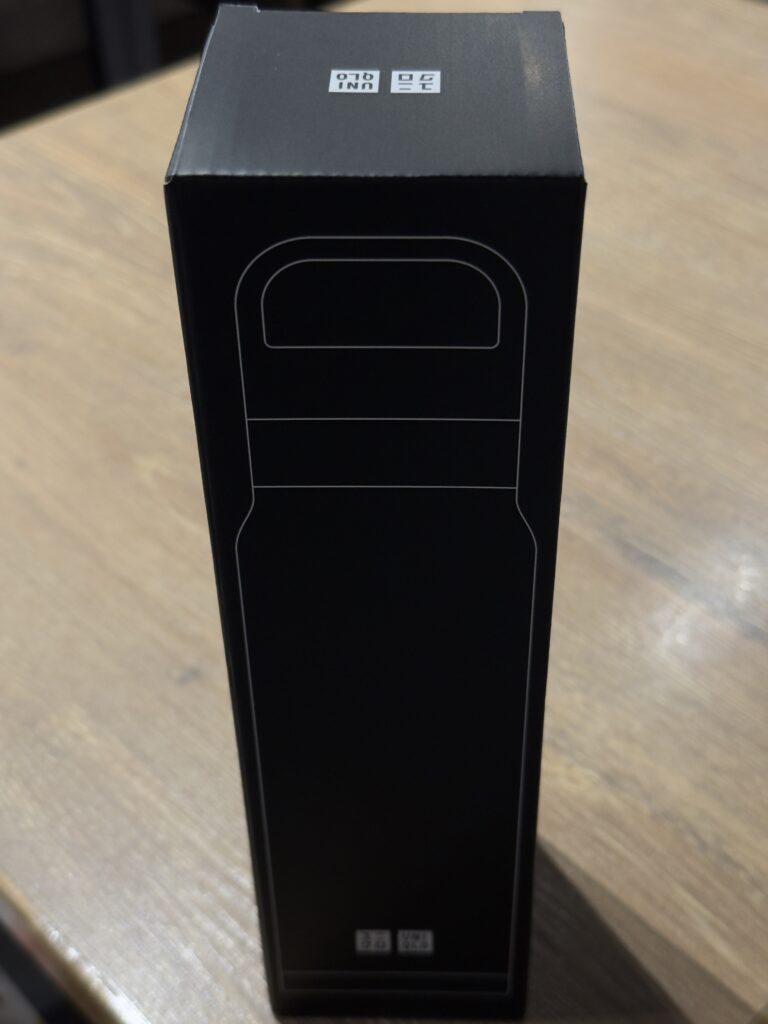
A thermal bottle given as a gift for purchases over ¥10,000.
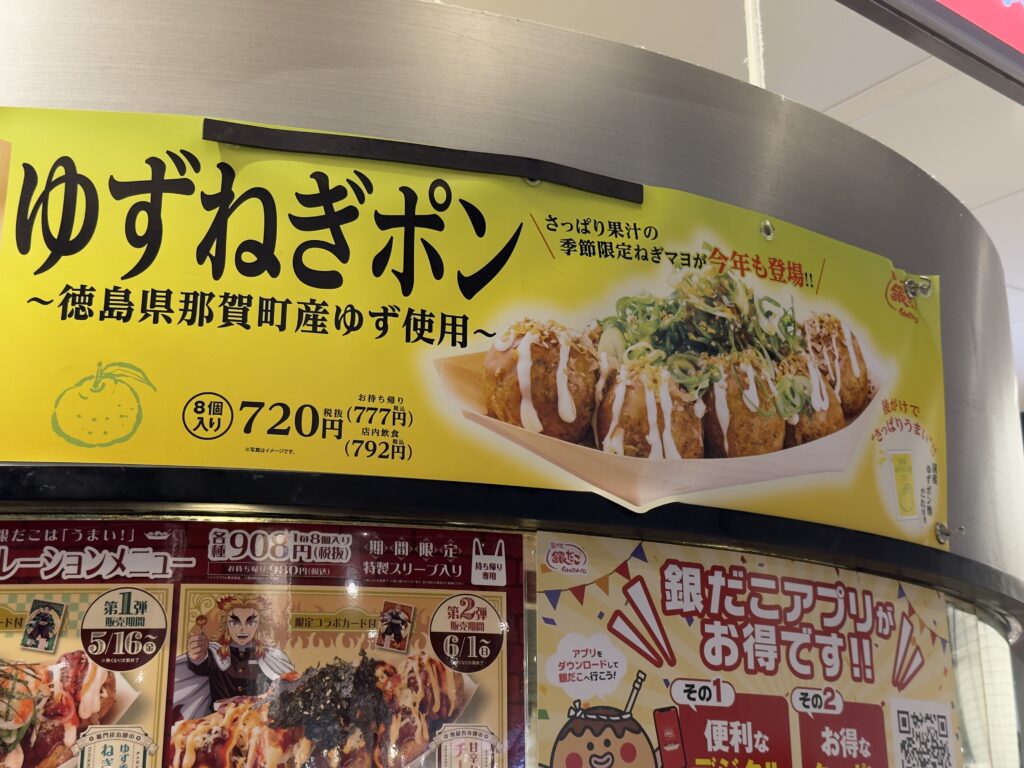
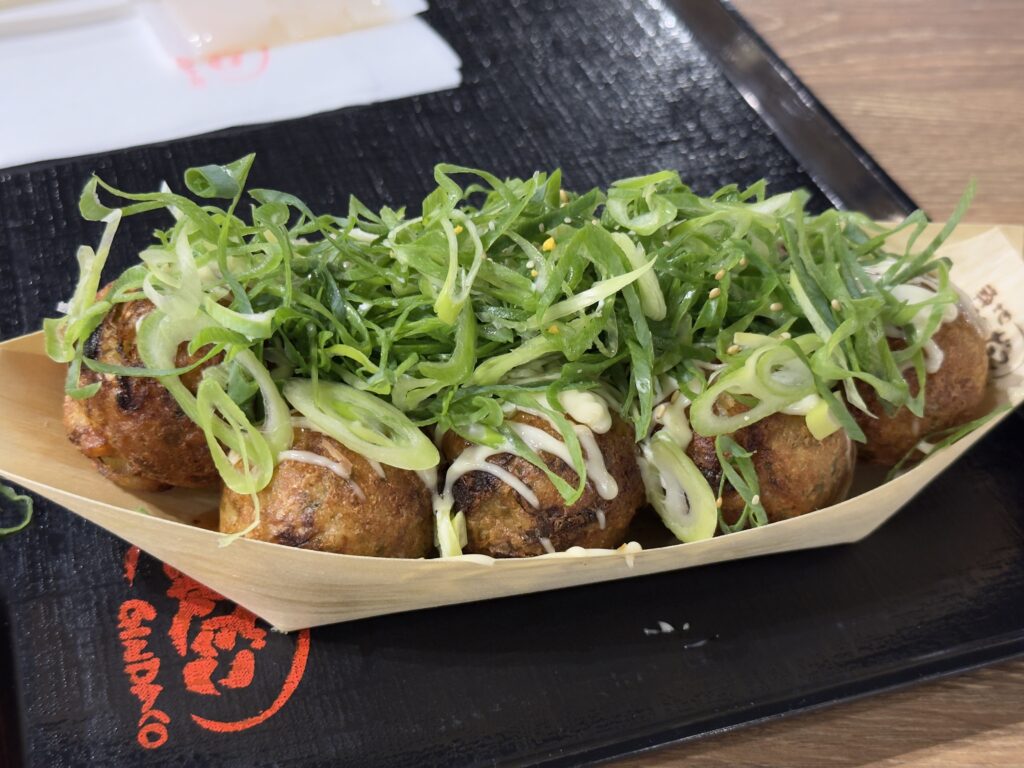
Looking for a place to eat in the food court, I spotted Tsukiji Gindaco, a famous Japanese takoyaki chain. They had a collaboration with Demon Slayer, but unfortunately, the limited-time offer was already sold out. So, I ordered a takoyaki that also looked delicious, generously topped with green onions and served with a yuzu vinegar sauce packet to add as desired.
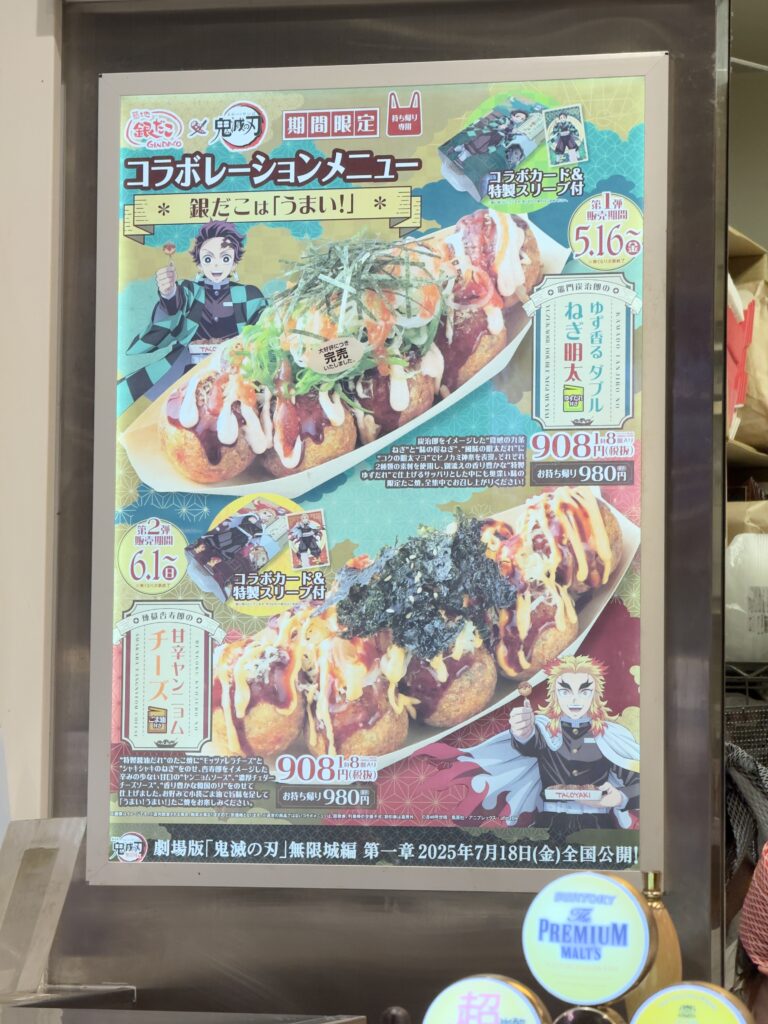
There were also different prices for takeout and dine-in. At the time, I didn’t think much of it and just ordered at the dine-in price.
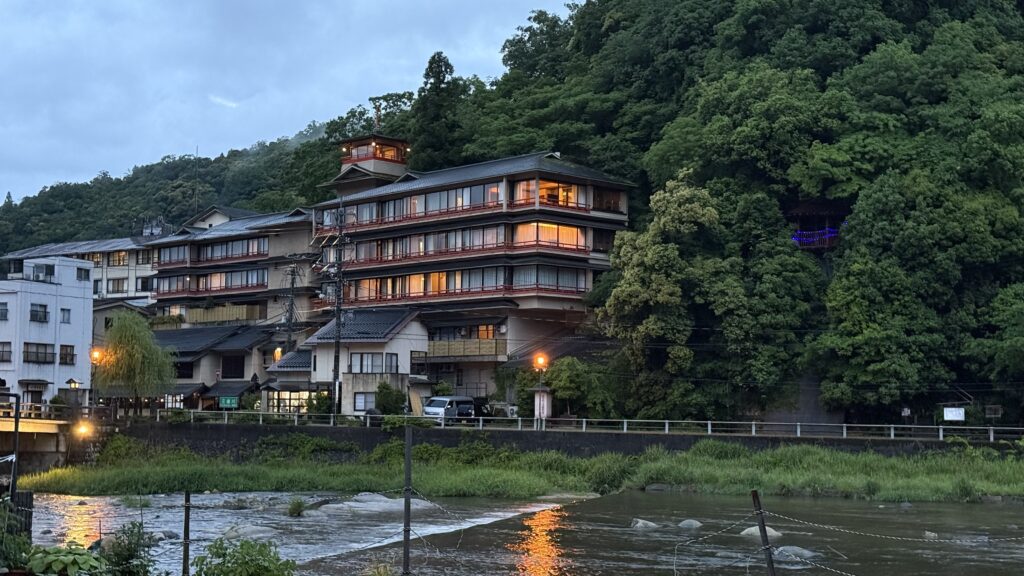
After finishing our shopping spree, we set off around 3:00 PM and drove for over two hours, finally arriving at Misasa Yakushi no Yu, Mansuirou in Tottori, where we’d be staying for three nights.

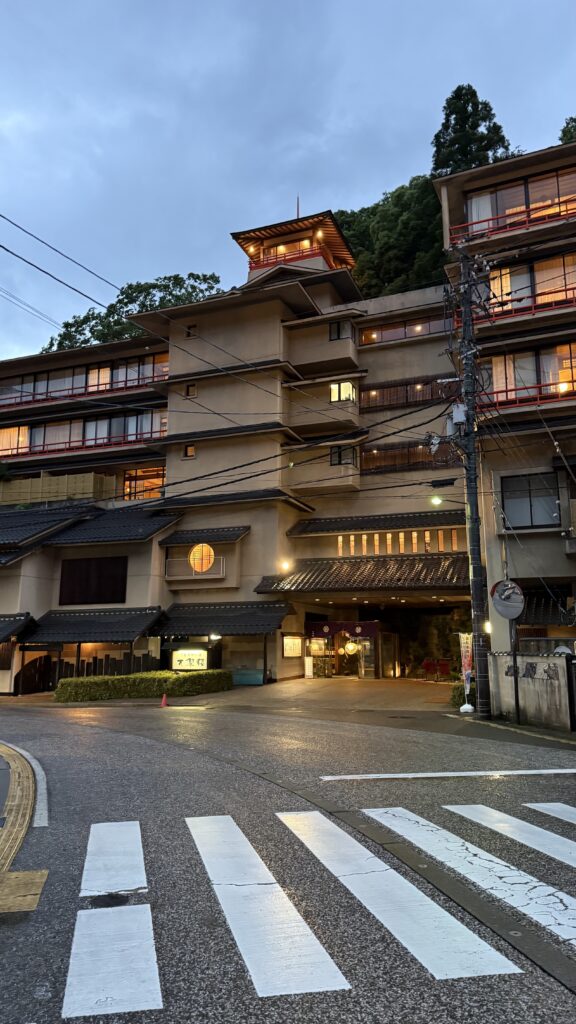
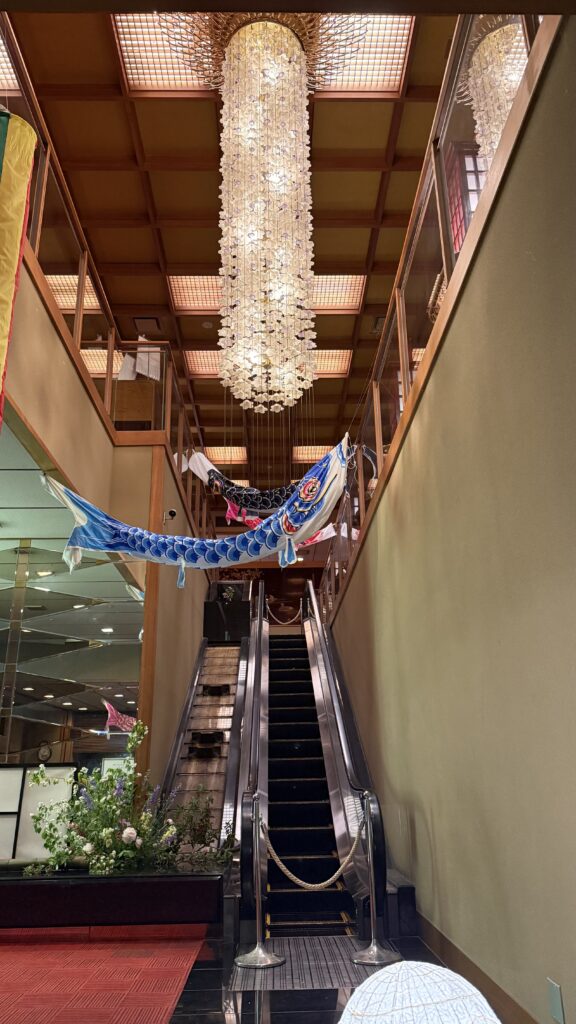
Misasa Onsen, renowned for its exceptionally rare radium hot spring, is also a prime location for delicious crab and various other seafood. Even many Japanese choose to visit on holidays for relaxation. However, this time we only booked accommodation without adding meals. We found out that if we wanted to add breakfast and dinner for one day, it would cost 26,000 JPY for two people. Fortunately, one of the service staff spoke Chinese, and we relied on her for translations when she explained the room features and important notes.
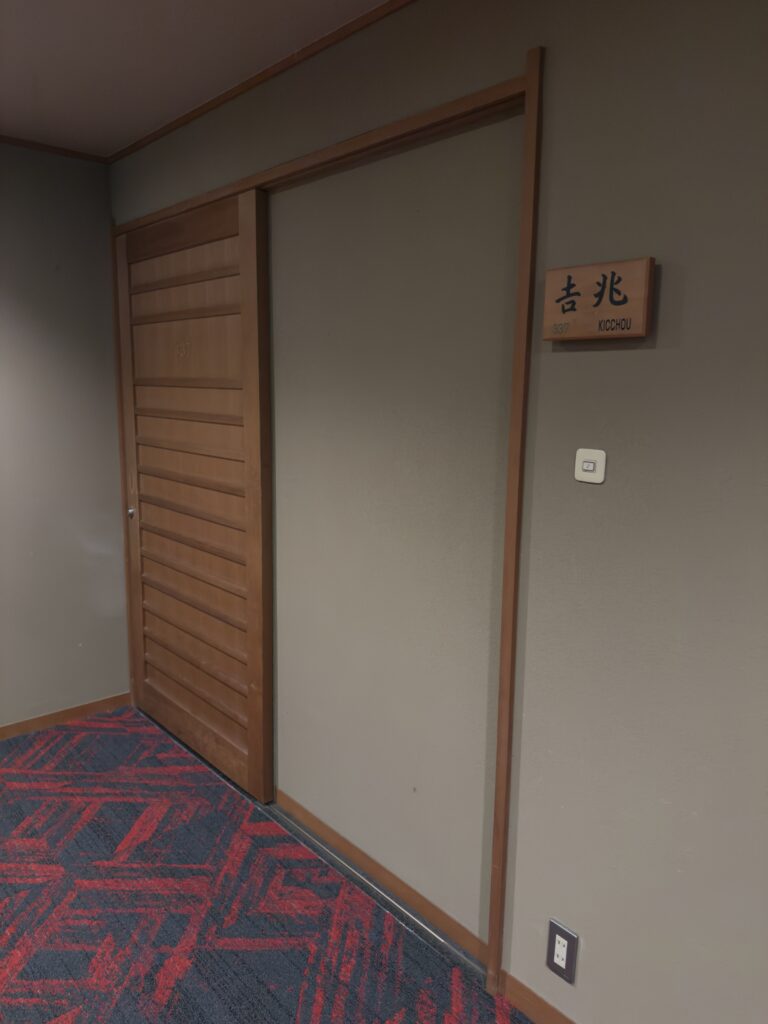
The room itself was spacious and featured its own dedicated lounge chair, creating a wonderfully relaxing Japanese-style ambiance.

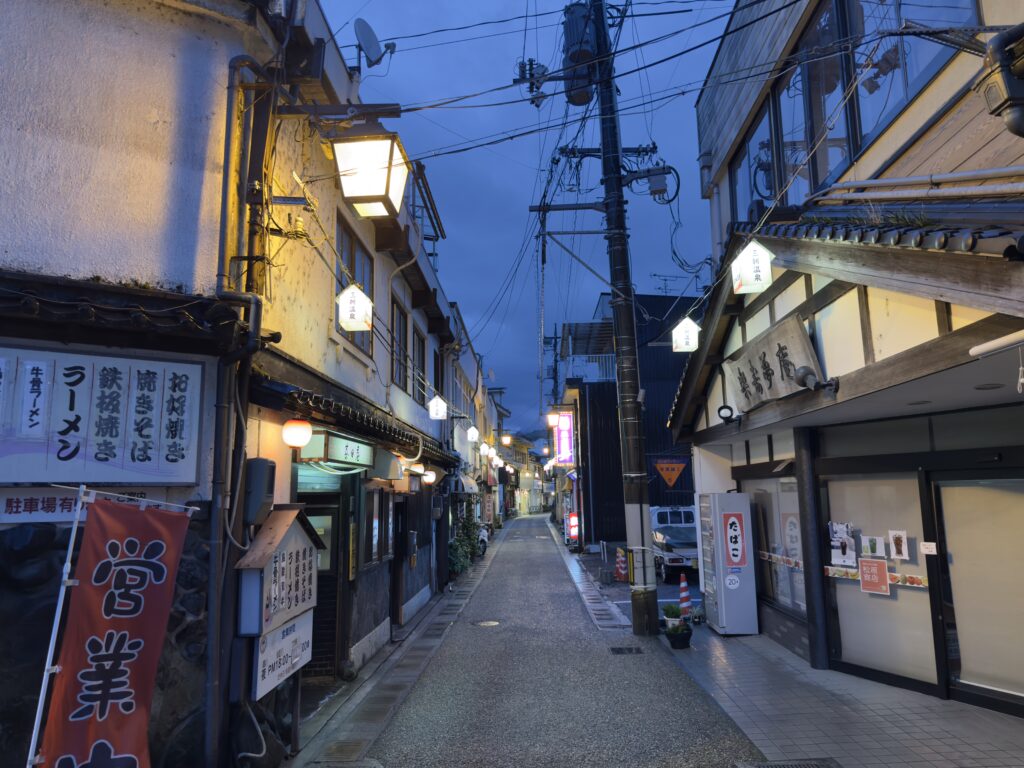
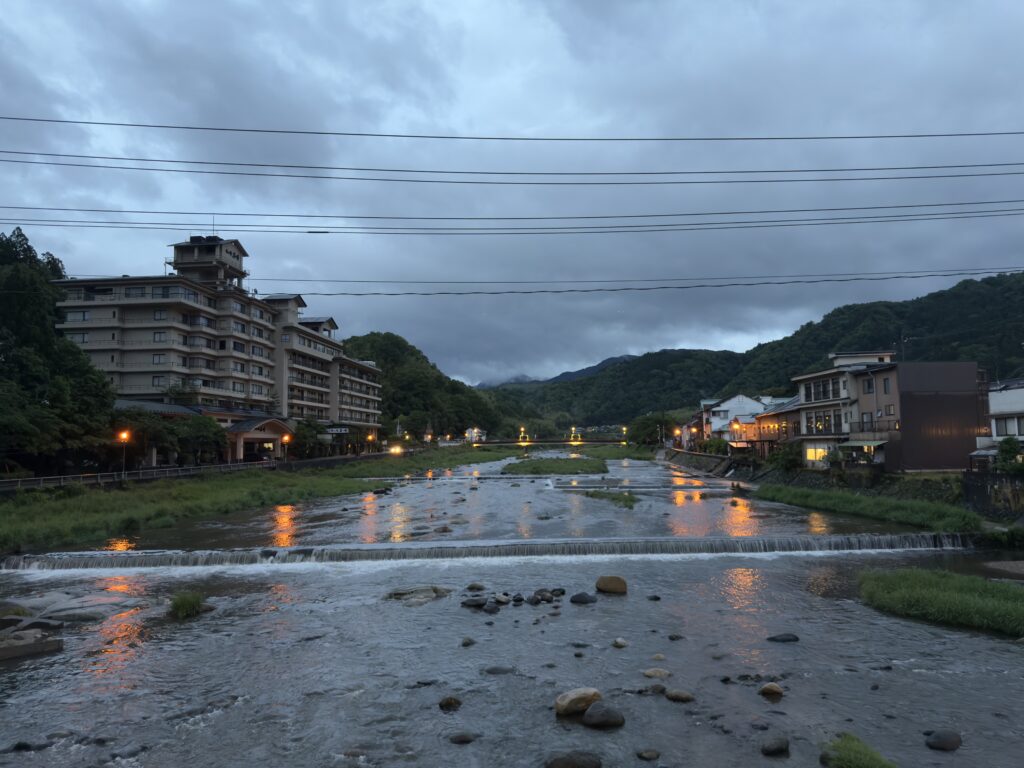
After settling our luggage, we walked to the Misasa Onsen street to find something to eat. Mansuirou is an ideal place to stay, as it’s just a short walk across the Misasa Bridge directly opposite the hotel, leading right to the hot spring town.
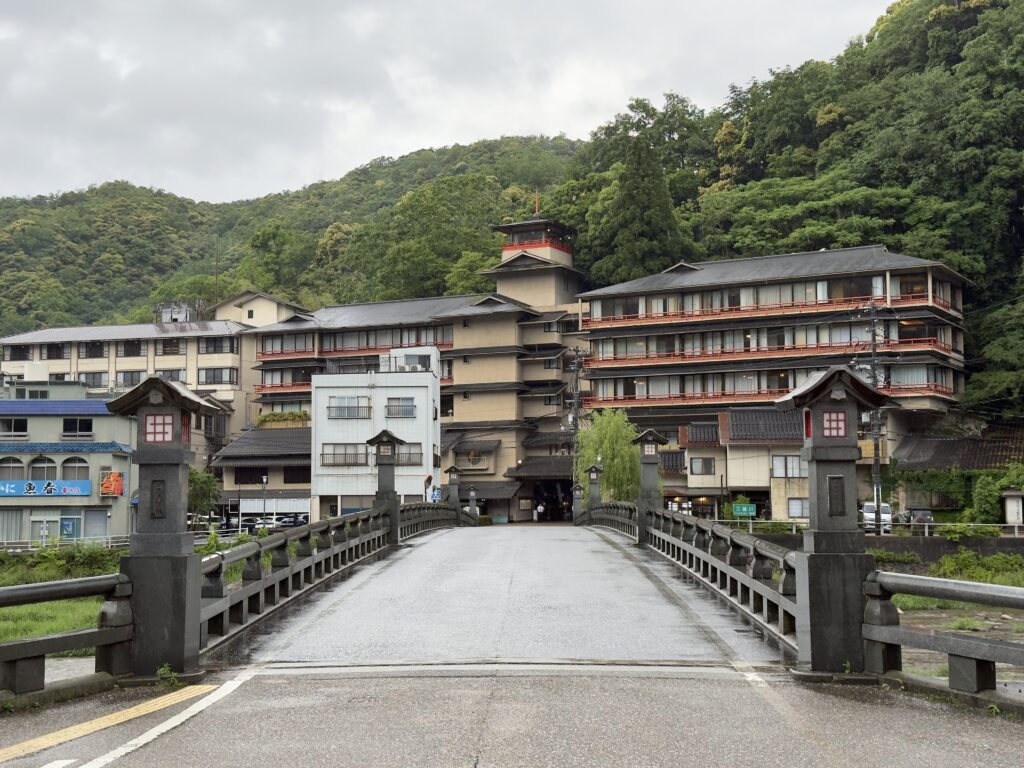
Right under Misasa Bridge, next to that bronze statue, there’s even an open-air nude bath. Most of the bathers there were older men. It was drizzling at the time, and the temperature was only around 10-something degrees Celsius. I truly admire the Japanese for that!
溫泉街可以選擇的晚餐不多,本來要吃みささの味処 縁がわ這家的牛骨拉麵,但可惜當天只接預約客
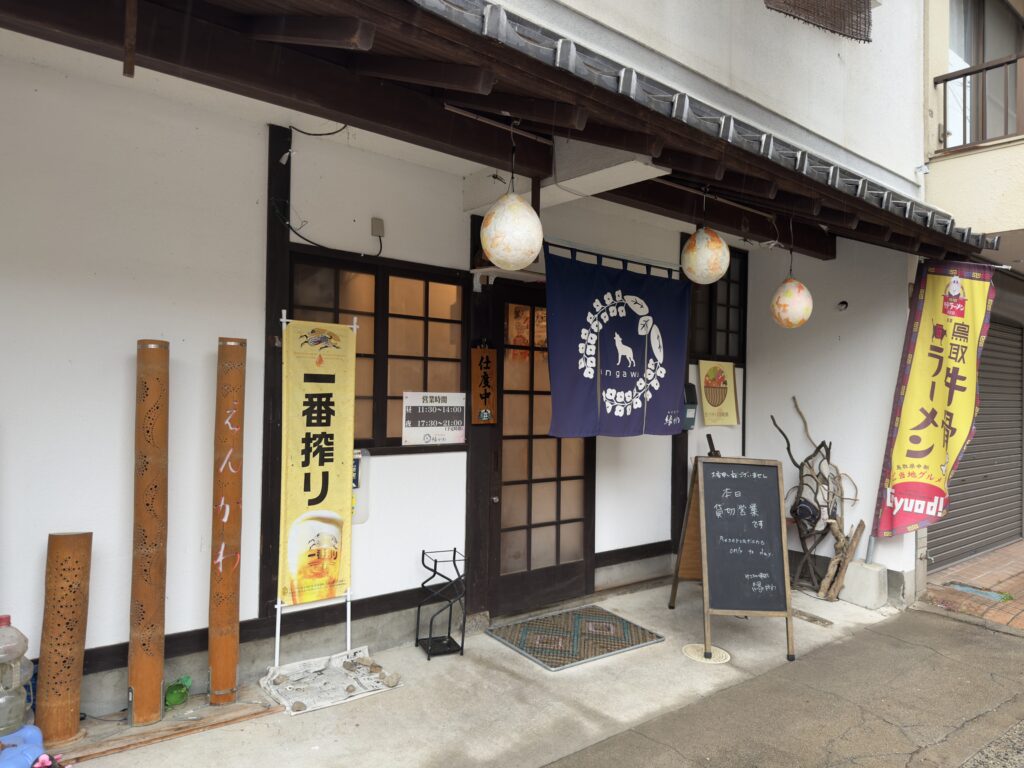
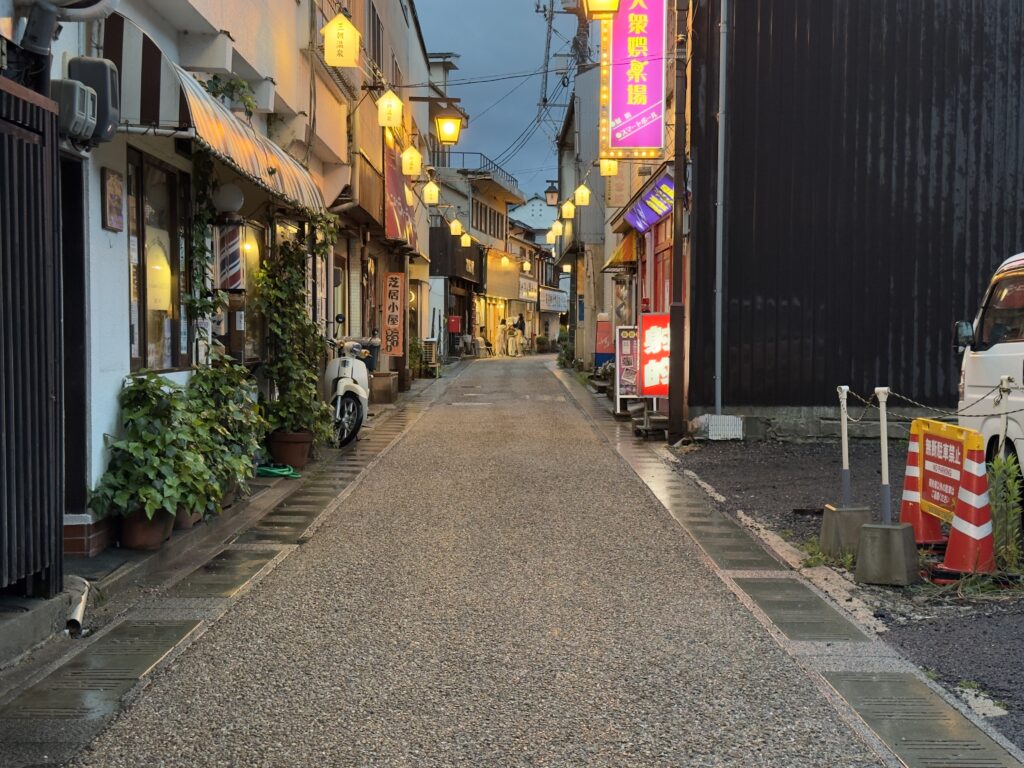
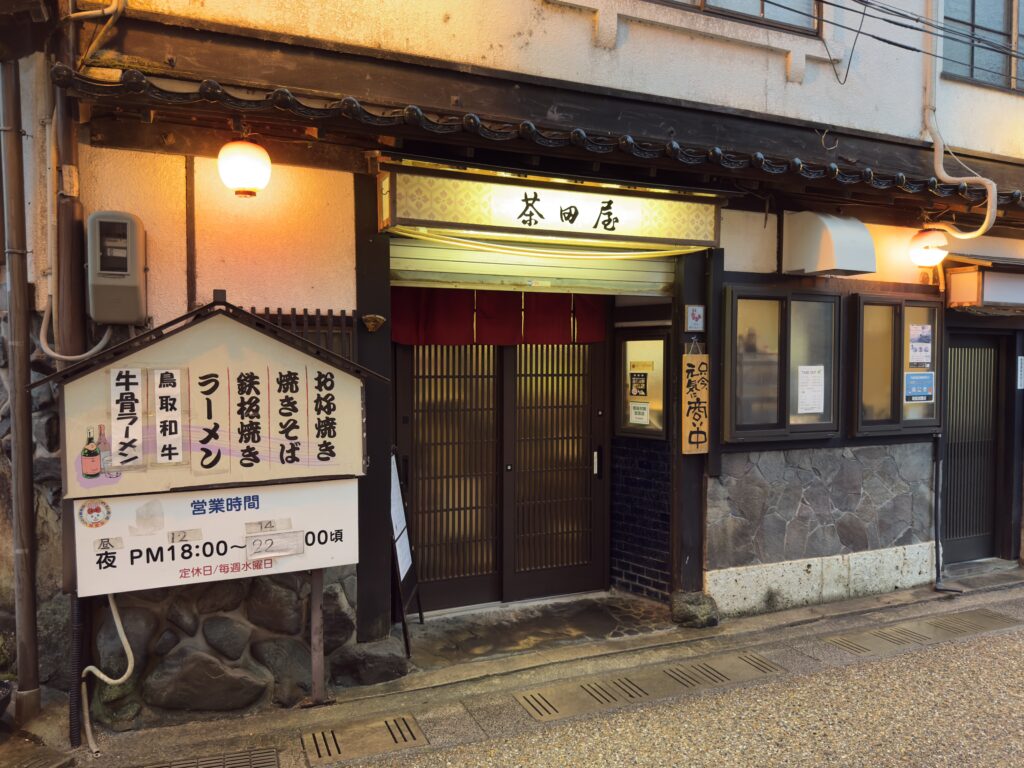
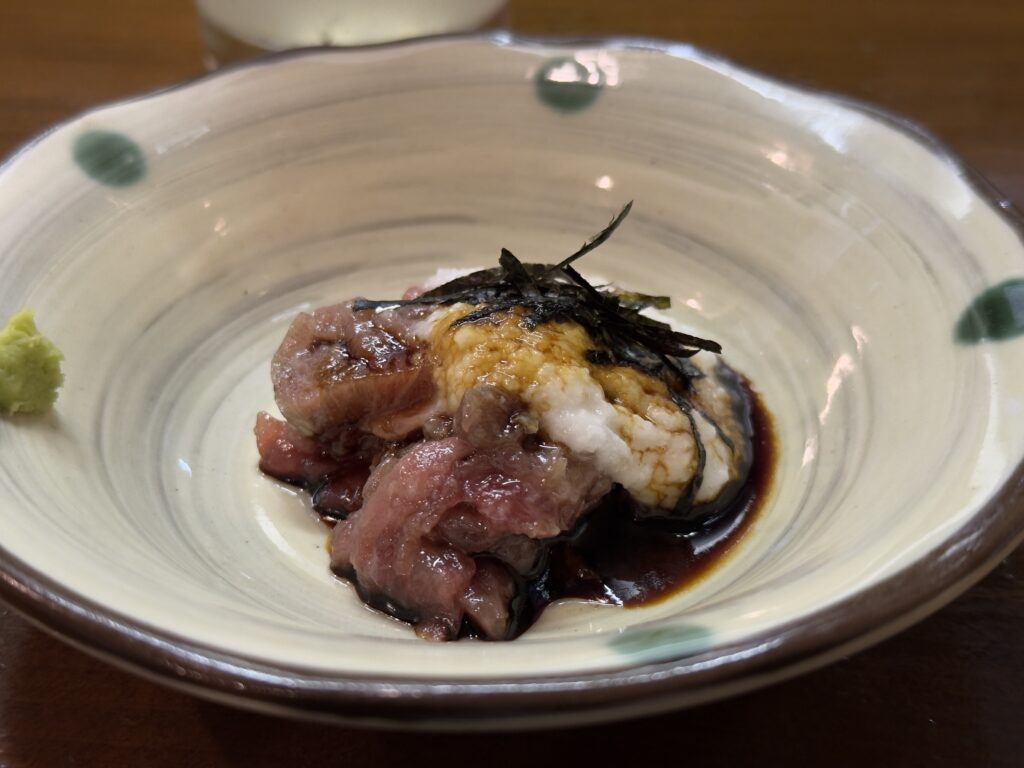
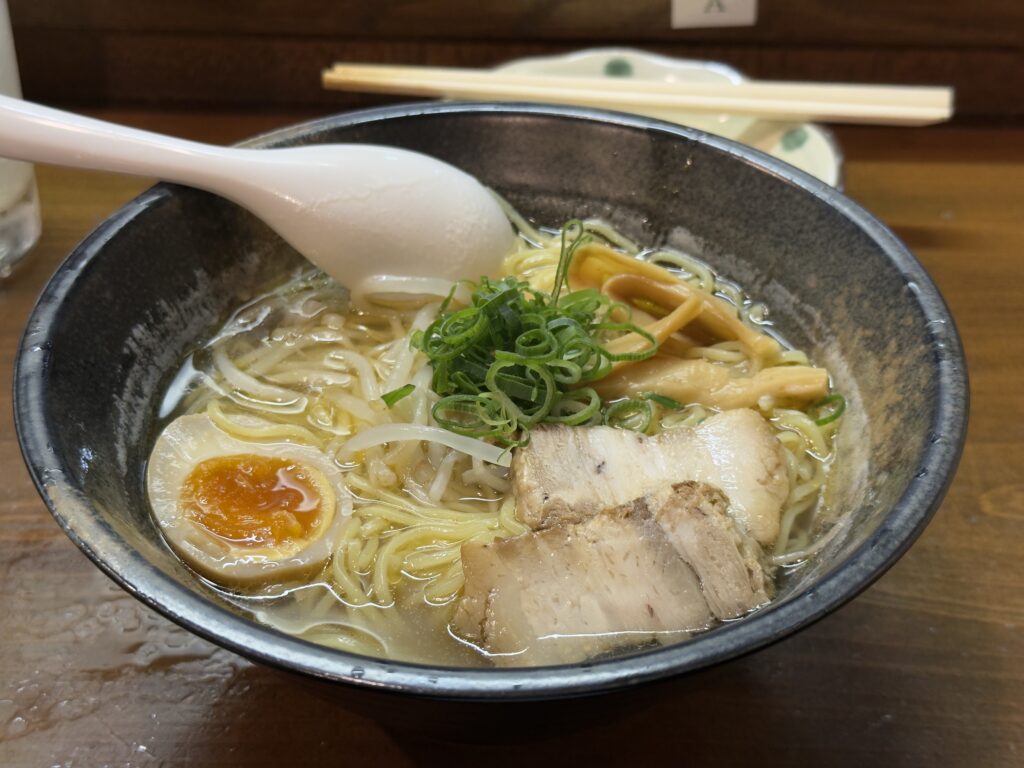
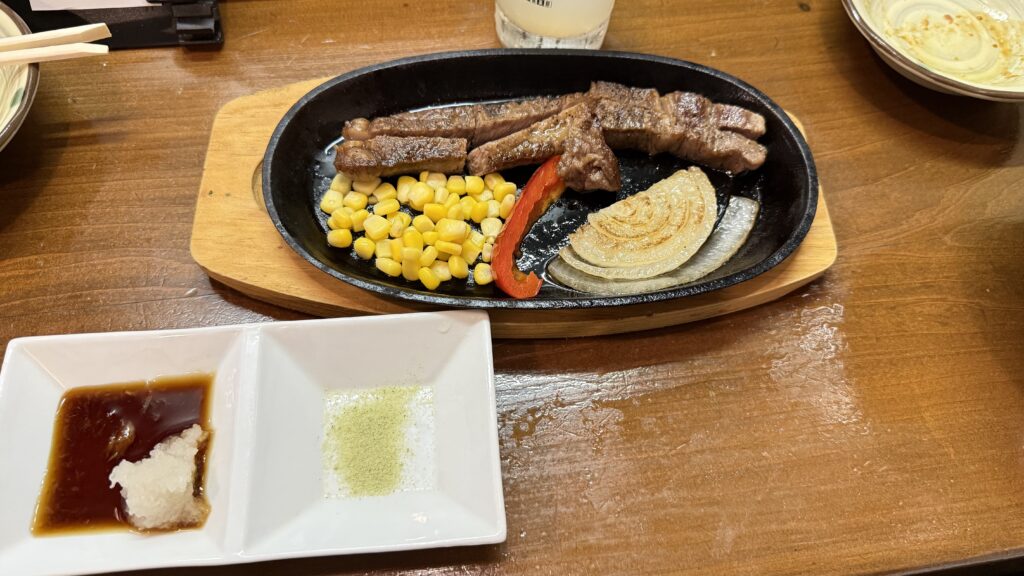
Later, we found this restaurant called Chadayu (茶田屋). We ordered beef bone ramen, teppanyaki, and even tried raw horse meat.
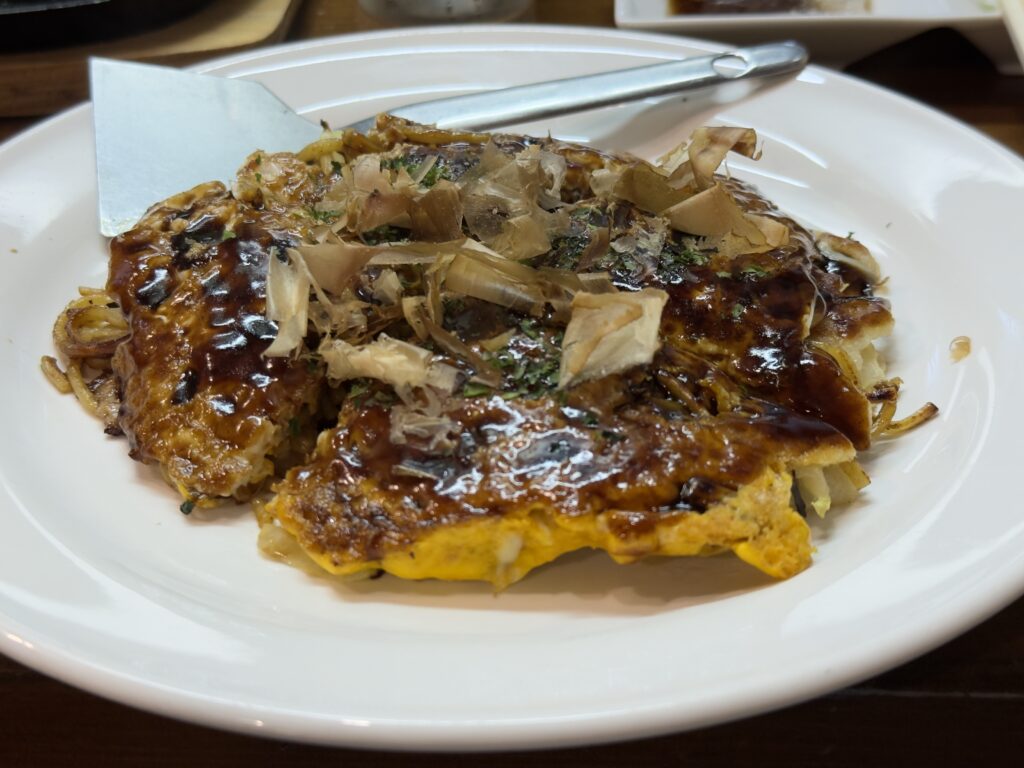
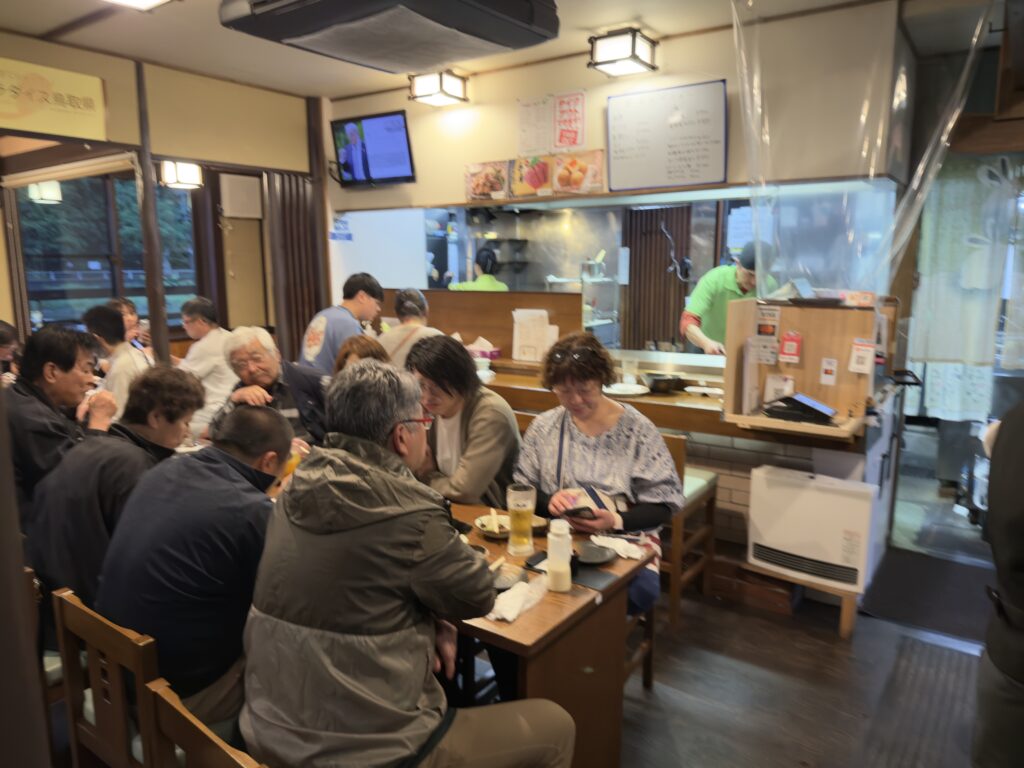
Then we bought some Misasa Yogurt from a shop on the hot spring street, and afterward, just enjoyed a leisurely stroll.
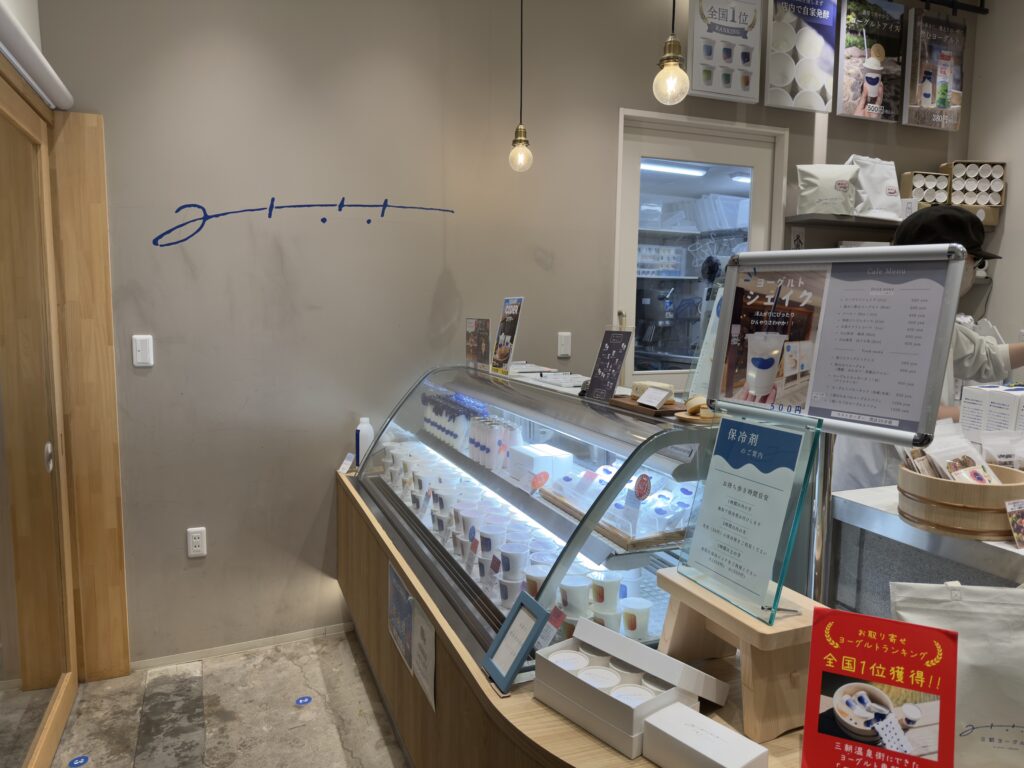
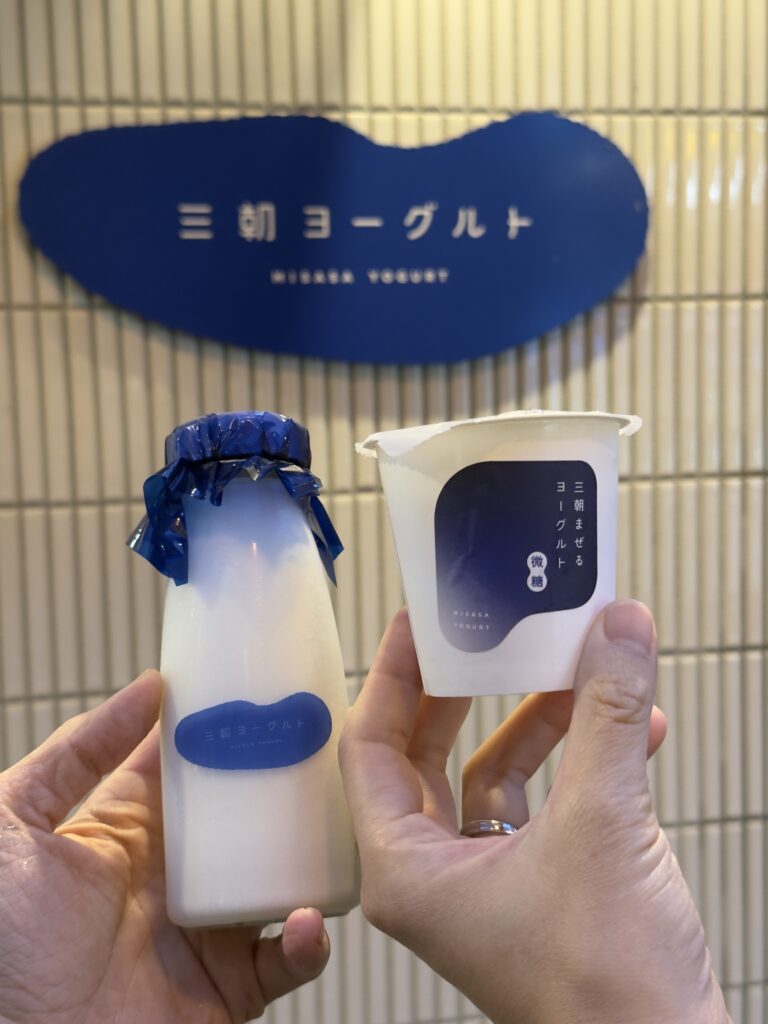
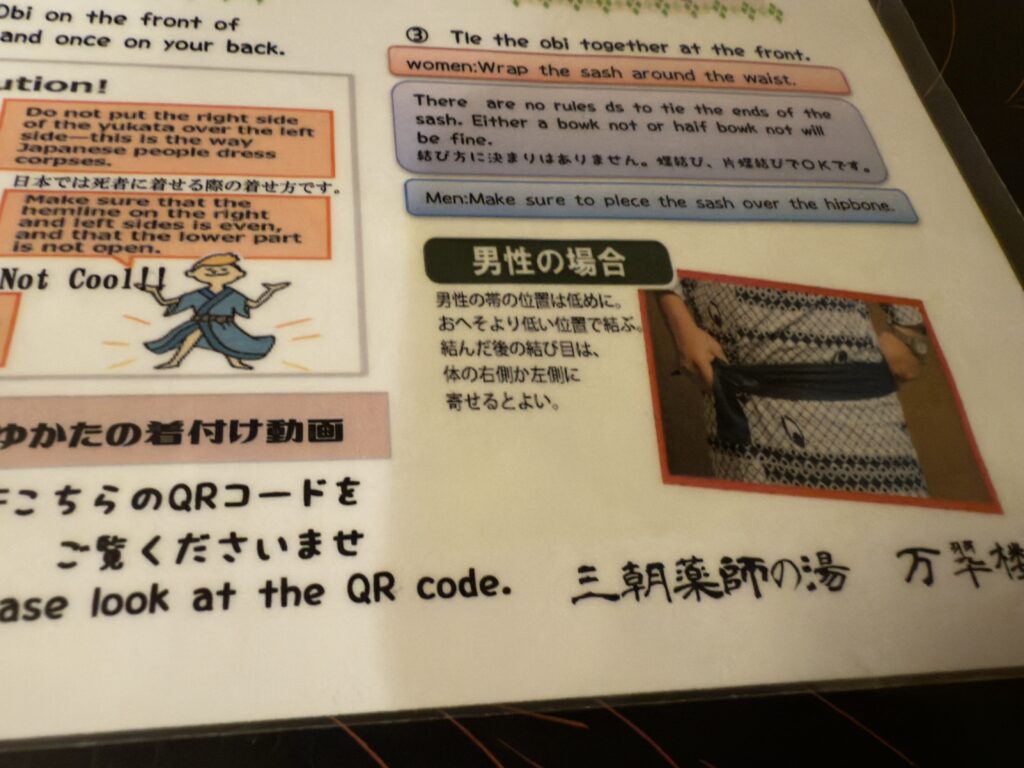
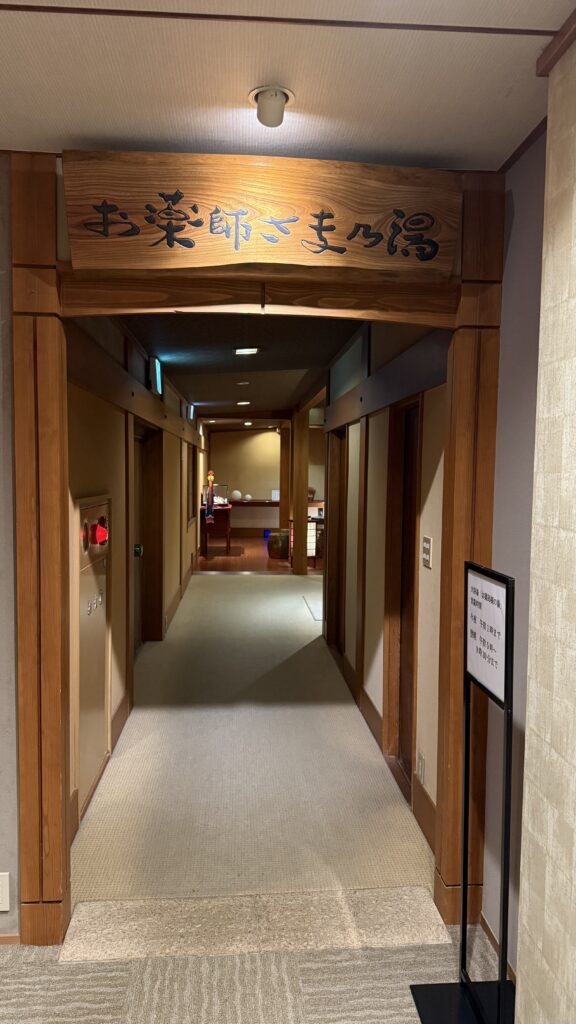
Afterward, it was back to the hotel for a soak in the hot springs. There were also instructions on how to properly wear a yukata.
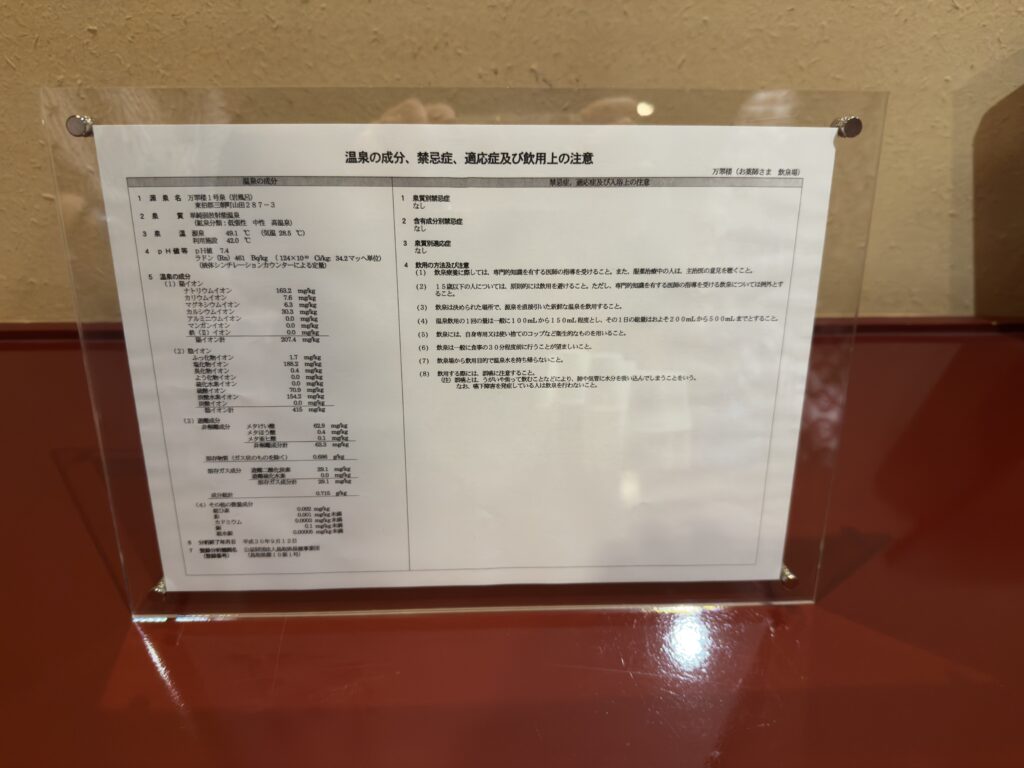
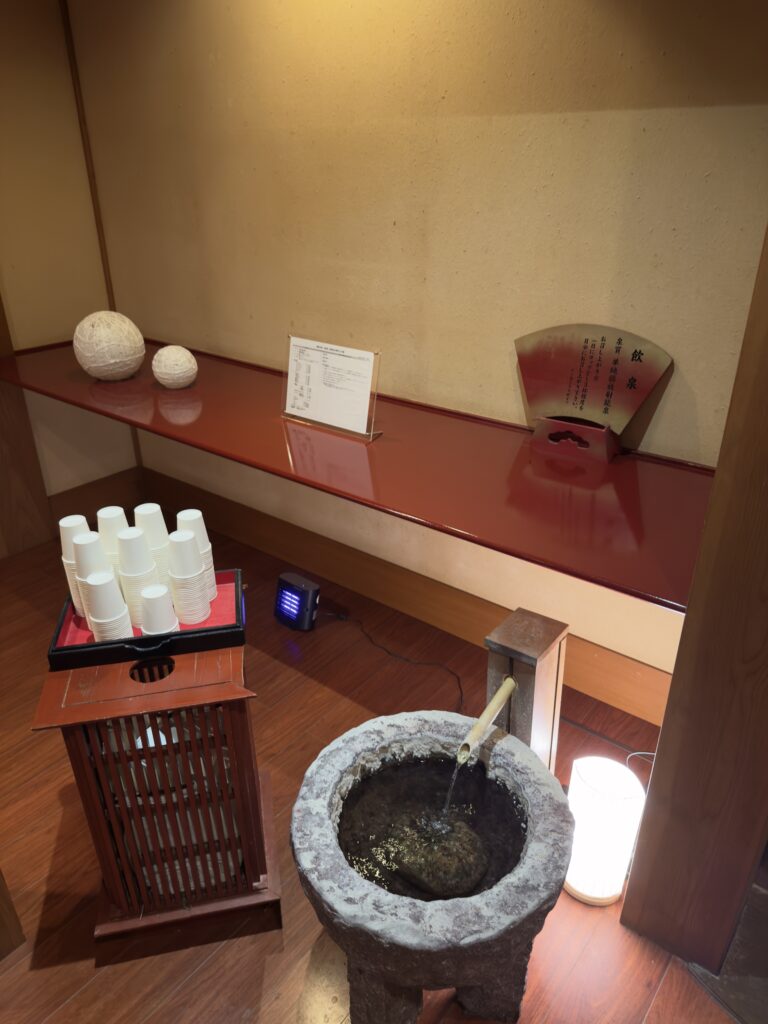
Drinkable hot spring water.
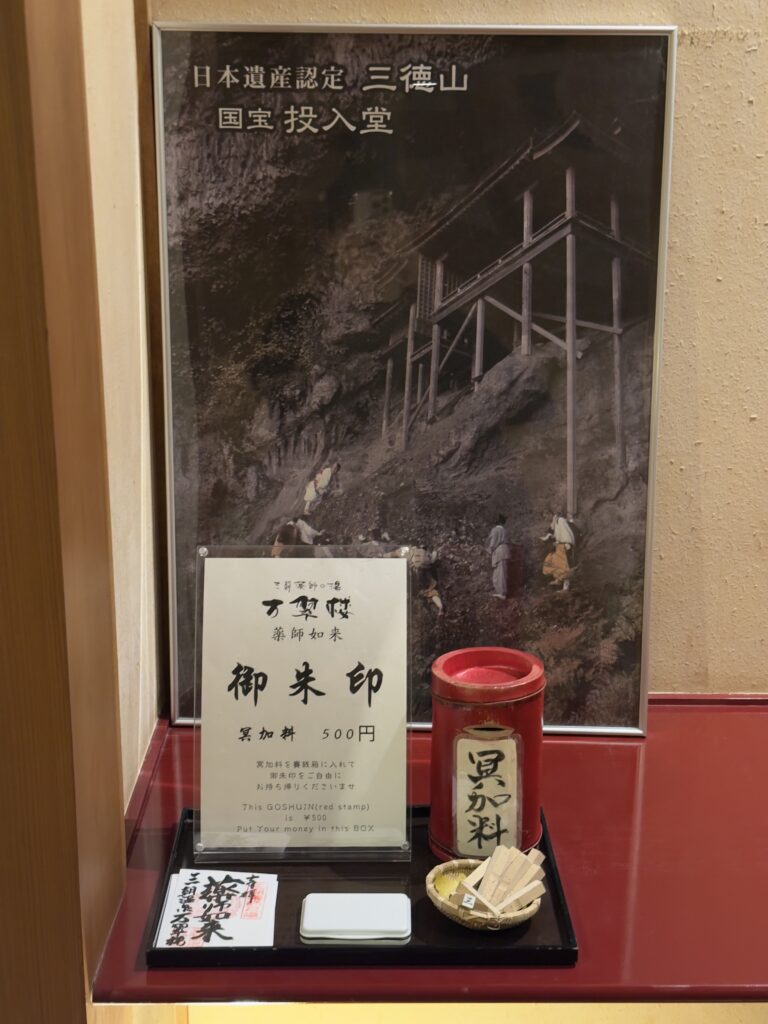
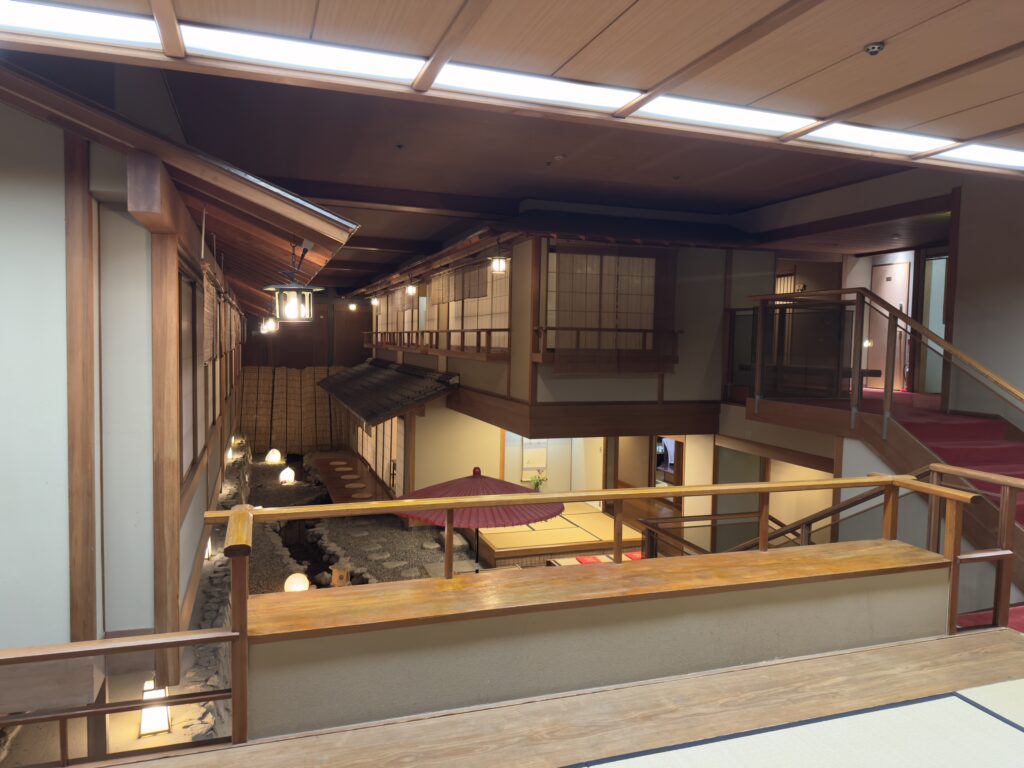
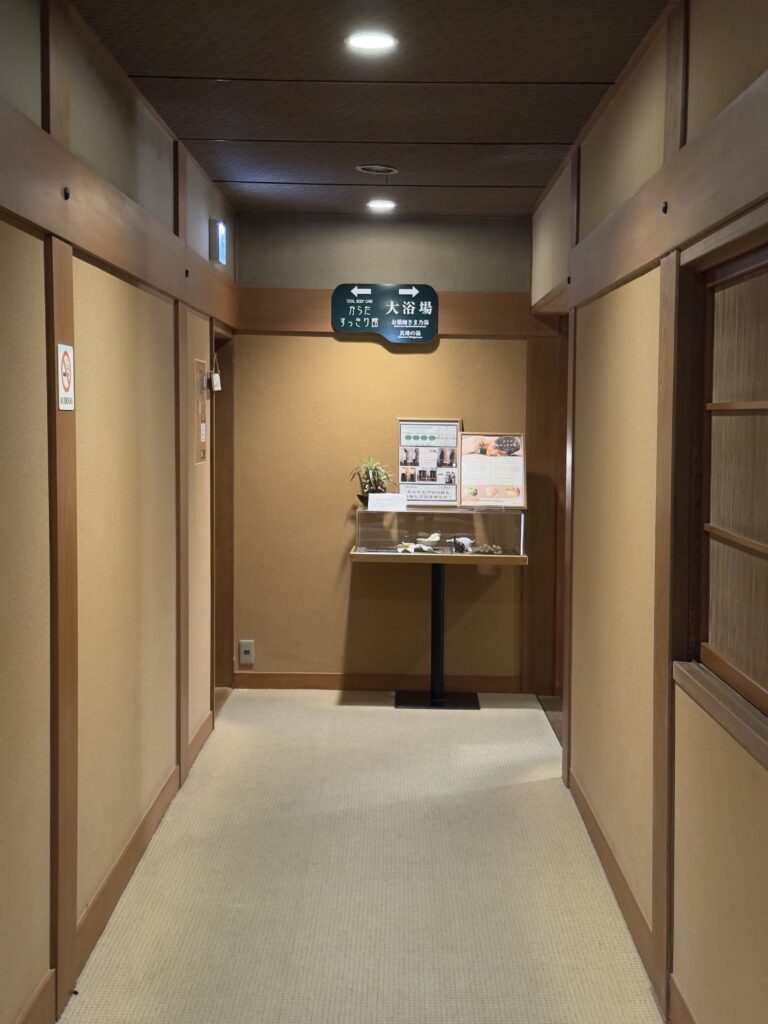
To the left is the massage room, and to the right is the path leading to the large public bath (daikōkyō).
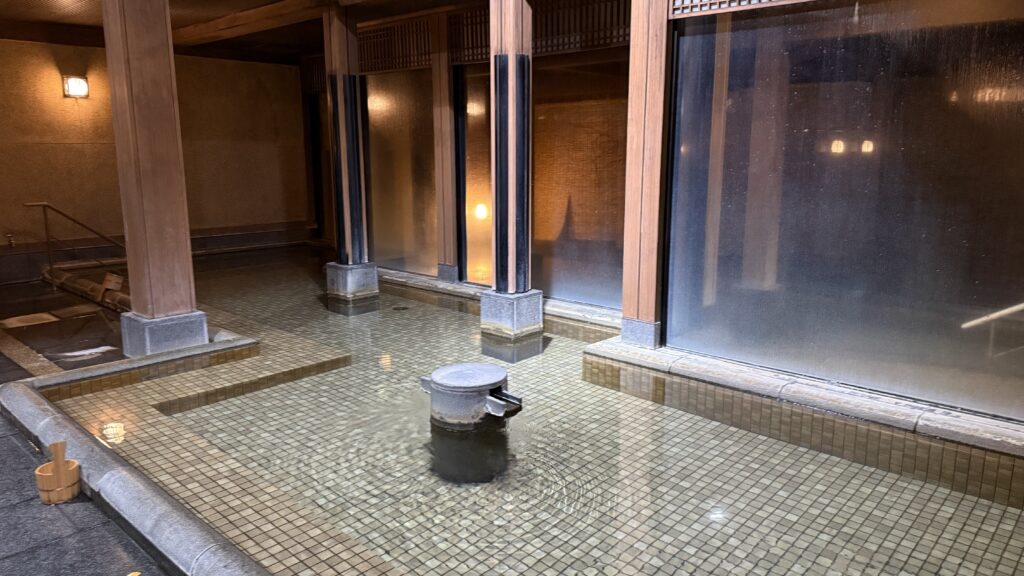
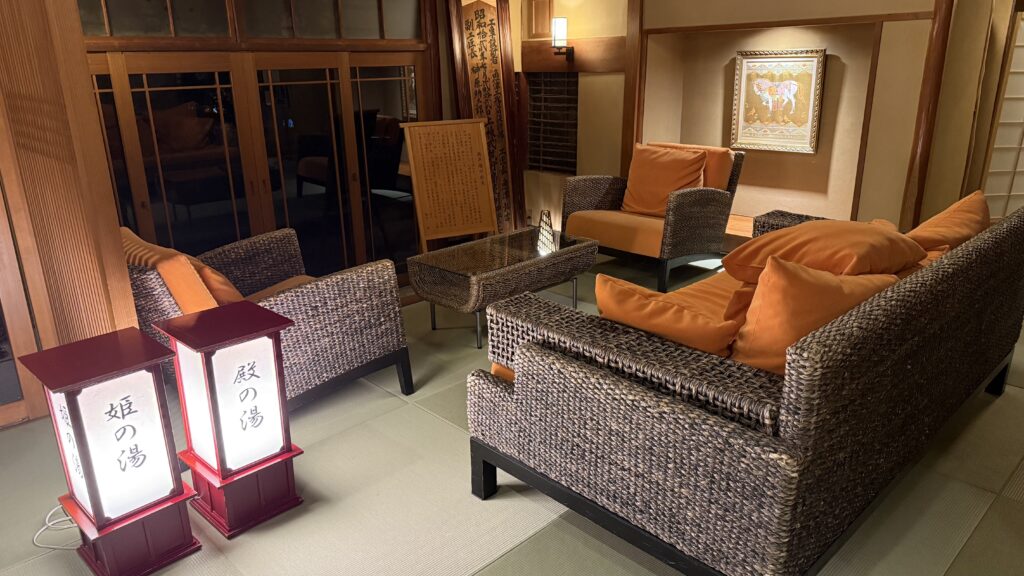
After a hot spring bath, it’s common to drink milk!
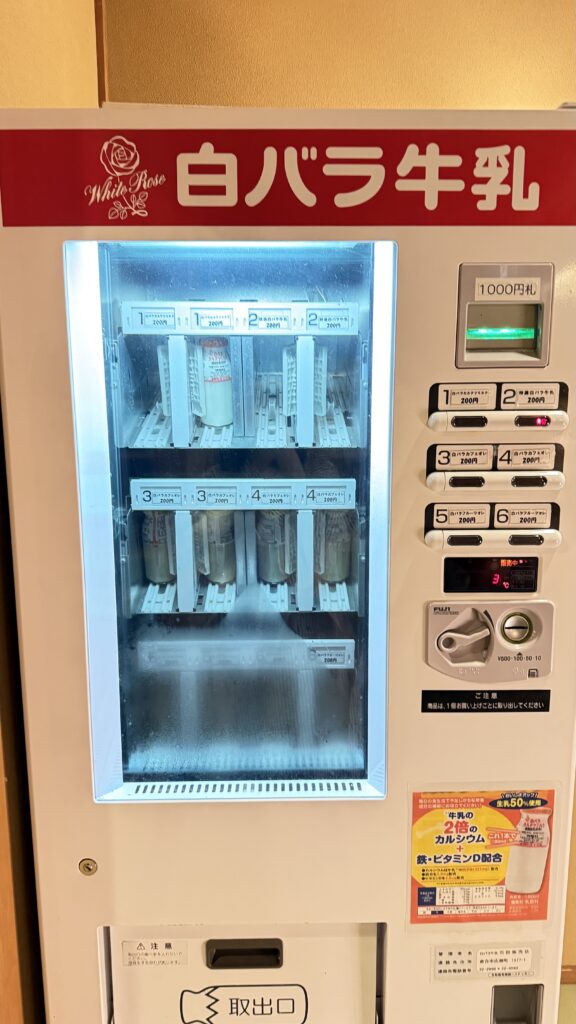
Time to get washed up and catch some sleep, as our anime-themed itinerary continues tomorrow!